
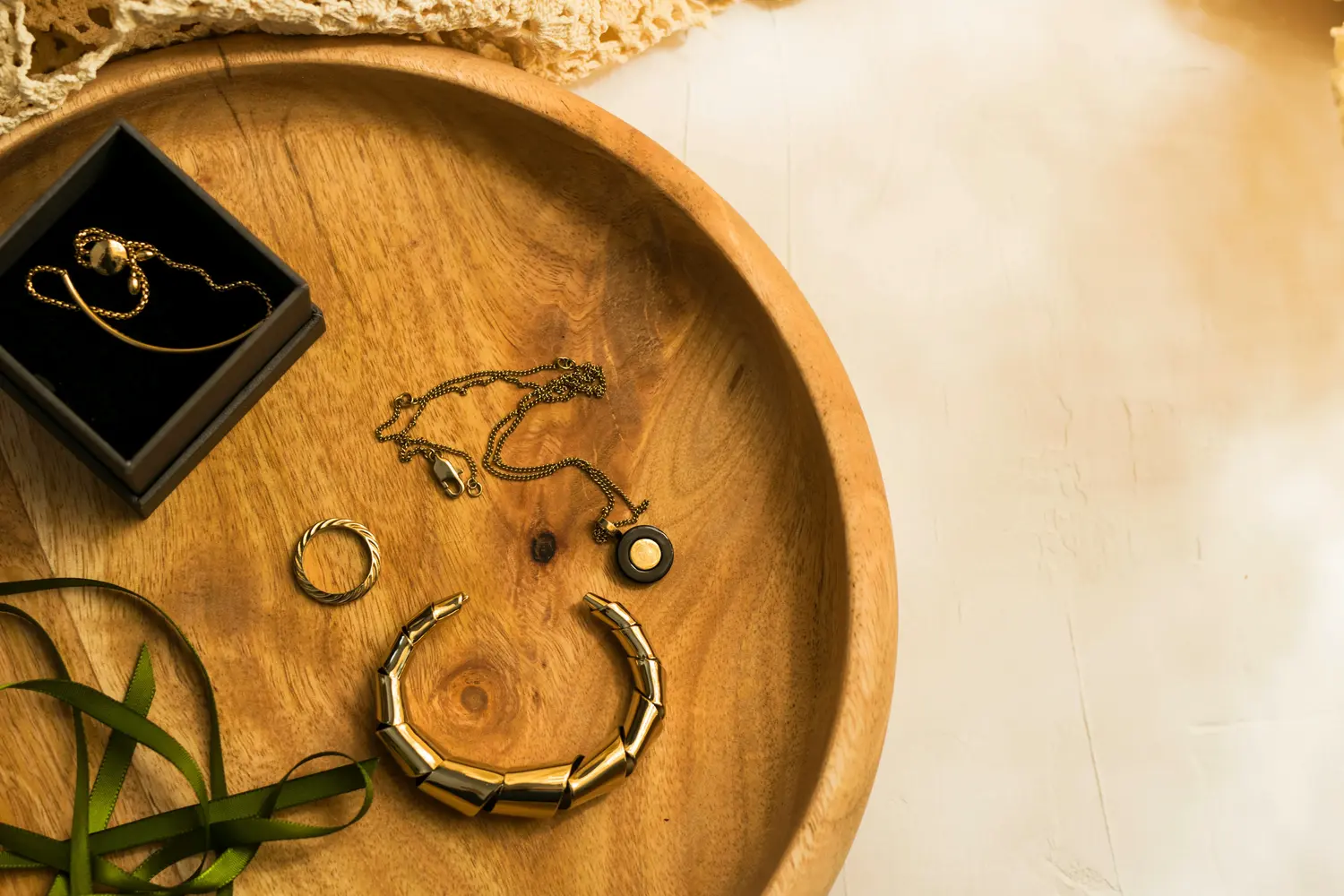
Old jewelry has a way of piling up. It could be pieces you inherited, rings you no longer wear, gold you're not sentimental about. Once you decide to sell, the next question is usually the hardest one: where?
The answer matters more than it might seem. The wrong buyer can mean leaving hundreds or even thousands of dollars on the table, waiting weeks longer than necessary, or dealing with a seller who isn't transparent about how they calculated your offer. The right buyer, on the other hand, can turn a drawer of unworn jewelry into a fast, fair, low-stress payout.
This guide walks through everything you need to know before selling old jewelry: what to check before you approach a buyer, the main local and online selling options, how to match a selling method to your priorities, and the mistakes that most often cost sellers money.
What to Know Before Selling Old Jewelry
Before you contact any buyer, it helps to understand what you're actually working with. Buyers will ask about most of these details anyway, so getting familiar with them upfront puts you in a stronger negotiating position.
Start by identifying:
1. Jewelry type
Fine jewelry (solid gold, platinum, or silver pieces with genuine stones), estate jewelry (older pieces sold as part of an inheritance or collection), and designer jewelry (Tiffany, Cartier, Van Cleef & Arpels, and similar brands) are all valued differently. Fine jewelry is often priced close to its material value, while designer and antique pieces can carry a premium well above melt value.
2. Condition and completeness
Scratches, missing stones, bent prongs, or a broken clasp can all affect an offer but "damaged" doesn't mean "worthless." It is important to note that even broken jewelry retains value based on its metal and gemstone content, so it's still worth having evaluated. When it comes to understanding the resale market for specific pieces, be sure to check out How Much is My Ring Worth? Real Resale Value, which can give you a clearer baseline.
3. Original boxes, receipts, or certificates
You don't need paperwork to sell, but having it helps. This means a GIA certificate for a diamond, an original brand box, or a dated receipt will help increase buyer confidence; leading to a better offer. If you have fine diamonds, review our specific guide on How to Sell Diamonds to ensure you preserve their full value.
4. Appraisals and authenticity documentation
If you do get a piece appraised, know that there are two different numbers a jeweler might give you. An insurance appraisal reflects replacement cost and is typically the higher figure. A resale appraisal, on the other hand, reflects what a buyer will actually pay, which is almost always lower. When you're selling, resale value is the number that matters: an insurance appraisal of $5,000 doesn't mean any buyer will pay $5,000 for the piece.
5. Different buyers specialize in different jewelry
A pawn shop, an auction house, and an online estate jewelry buyer are not competing for the same inventory. Some focus on melt value, some on brand recognition, and some on rare or antique craftsmanship. Understanding this in advance helps you avoid taking a valuable designer piece to a buyer who will only offer scrap pricing.
When you’re selling, resale value is the number that matters: an insurance appraisal of $5,000 doesn’t mean any buyer will pay $5,000 for the piece.
Where to Sell Old Jewelry Locally
Selling in person still appeals to a lot of people: this means you can hand the piece over, ask questions face to face, and often walk away with payment the same day. Here are the main local options and what each tends to be best suited for.
Local Jewelry Stores
Many independent jewelers are buying jewelry directly or accepting pre-owned pieces through consignment shops and consignment stores. Direct purchase is faster, but consignment, where the jeweler sells the piece on your behalf and takes a percentage, often nets a higher return since you're getting closer to retail price. The main con of consignment is timing and that it can take weeks or months to pay out since you're relying on the jeweler's local customer base to find a buyer. Weigh the pros and cons before choosing between a direct sale and consignment.
Auction Houses
Auction houses work well for antique, designer, or unusually high-value pieces where competitive bidding can push the final price above a standard offer. Houses like Sotheby's built their reputation on this kind of bidding, though most sellers work with smaller regional auction houses or estate sale companies rather than the major names. The con to note is that the process is slower than most other options, often taking weeks to months, and typically involves seller commissions or listing fees. For an exceptional piece, though, this can be the highest-return option available.
Pawn Shops
Pawn shops offer the fastest possible payout, which is often same-day quick cash, but usually at the lowest price, sometimes well below market value. Local gold buyers and silver buyers operating as pawn shops are typically pricing gold, silver, and mixed-metal pieces for their scrap value rather than their design. This route makes sense if you need cash immediately and aren't focused on maximizing what you get for the piece; the con is you're trading a higher payout for speed.
Estate Jewelry Buyers
Estate jewelry buyers specialize in older pieces and evaluate them for historical significance, craftsmanship, and brand pedigree rather than just weight in gold or silver. Many work like appraisers, weighing intrinsic value against rarity and condition, e.g- a diamond ring or stone ring from a well-documented era can be worth well above its scrap price. If you've inherited a collection or have pieces with an interesting history, an estate buyer is more likely to recognize, and pay for, that value than a general jeweler would.
Where To Sell Old Jewelry Online
Selling online has become the preferred route for a lot of sellers because it opens up a much larger buyer network than any single local shop can offer. Learning How to Sell Jewelry Online Successfully from our online guide allows you to compare multiple digital outlets from home.
Here's how the main online options differ:
Online Jewelry Buyers
Specialist online buyers will evaluate your jewelry from photos, provide a detailed offer breakdown, and handle authentication once the piece arrives. Since these companies have lower overhead than a physical storefront and access to buyers well beyond your local area, offers are often more competitive than what you'd get from a local jeweler or even a pawn shop. Reputable buyers use insured, prepaid shipping and give you the option to decline the offer with no obligation to sell. To see how top services compare, be sure to read our full breakdown on the Best Place to Sell Jewelry Online in 2026 guide.
Online Marketplaces
General marketplaces let you list and sell jewelry directly to individual buyers. This route gives you the most control over pricing and can work well for pieces with strong brand recognition or unique design appeal, where buyers are paying for aesthetics rather than melt value. The tradeoff is effort: you're responsible for photography, listing, buyer questions, negotiation, and shipping.
Online Auctions
Online auction platforms function similarly to traditional auction houses but with a wider and digital bidding pool. They can be a strong fit for rare or high-value pieces, although, as with in-person auctions, you'll typically wait longer for a sale and pay a commission on the final price.
How to Choose the Best Place to Sell Your Old Jewelry
There's no single "best" place to sell old jewelry and the right choice depends on what you're trying to optimize for. These are the factors worth weighing before you commit to a buyer.Ultimately, understanding how to sell jewelry online and keep more of what it's worth comes down to weighing these factors:
Choose based on your selling priorities
Are you optimizing for the highest possible payout, the fastest possible sale, or the least amount of personal effort? Being honest about this upfront will narrow your options quickly.
Compare convenience and level of effort
Specialist buyers do the pricing and negotiating for you. Marketplaces and auctions require you to manage photos, listings, buyer communication, and shipping yourself.
Review fees, commissions, and payment terms
Consignment and auction sales often come with commissions that can range from a modest percentage to a significant cut of the final sale price. Be sure to ask any buyer upfront how they’re compensated and when you can expect payment.
Consider how quickly you want to sell
Pawn shops and online buyers can pay within days. Consignment, auctions, and marketplace listings may take weeks or months. If you need cash fast, this narrows choices.
Match the buyer to your type of jewelry
A buyer who specializes in scrap gold isn’t the right fit for a signed designer piece, and an auction house may be overkill for a simple gold chain.
Research the buyer's reputation and credibility
Look for verifiable reviews on platforms like Trust Pilot and clear communication about how offers are calculated. Get at least two or three quotes before accepting any offer, and be cautious of a buyer who's vague or pushy.
Common Mistakes to Avoid
Five habits that quietly cost sellers money.
- Selling without knowing the piece’s value first
- Not researching about the buyer’s reputation
- Expecting an insurance appraisal to match a resale offer
- Accepting the first offer without comparing
- Over-cleaning delicate or antique items causing damage
Frequently Asked Questions
Frequently asked questions
Know what your jewelry is worth before you sell.
Monthly gold-price context and hallmark guides from Unvault’s gemologists. No spam, unsubscribe anytime.
Related posts
.webp)


Ready to see what your jewelry is worth?