Gold Jewelry Appraisal: Cost, Process & Real Value
A gold jewelry appraisal can tell you what your piece is worth for insurance, for an estate, or for resale. But those are three very different numbers, and confusing them is one of the most costly mistakes people make.

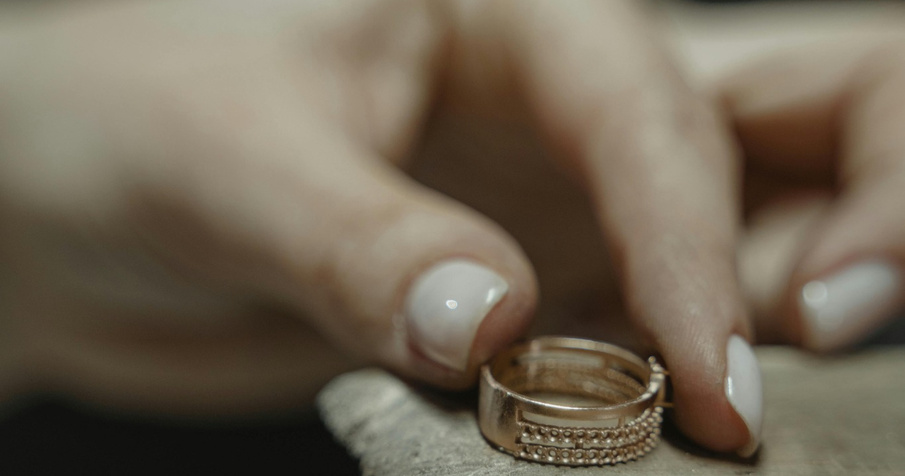
A gold jewelry appraisal is a professional assessment of your piece's value, and the number depends on its purpose. Insurance gives replacement value, estates use fair market value, and selling reflects resale value. Match the type to your decision before you pay.
Most people who search for a gold jewelry appraisal are looking for clarity. The real risk in an appraisal is getting the wrong number for the wrong purpose.
A gold jewelry appraisal can tell you what your piece is worth for insurance, for an estate, or for resale. But those are three very different numbers, and confusing them is one of the most costly mistakes people make.
This guide walks you through how the appraisal process works, what it costs, and how to make sure the number you get matches the decision you're trying to make.
What Is a Gold Jewelry Appraisal?
A gold jewelry appraisal is a professional assessment of a piece of jewelry's value based on its materials, craftsmanship, condition, and current market factors.
A qualified appraiser examines the gold purity (measured in karats), weighs the piece, identifies any gemstones, and applies recognized valuation methodologies to arrive at a stated value.
Here's what most guides leave out: that stated value depends entirely on the purpose of the appraisal.
An insurance appraisal produces replacement value. An estate appraisal produces fair market value.¹ A selling appraisal reflects liquidation or resale value.
The replacement value on your insurance appraisal report can be two to three times higher than what someone would actually pay for the piece.
Understanding this before you pay for an appraisal prevents expensive misunderstandings.

Step One: Decide What You Need the Appraisal For
Before you call an appraiser, you need to answer one question: What am I trying to do?
Insurance Replacement Value
This is the most common type of jewelry appraisal. It estimates what it would cost to replace the piece with something of comparable quality from a retail source.
Insurance appraisals produce the highest number because they reflect full retail replacement cost, not what someone would pay you today.
If you're insuring a gold necklace, diamond engagement ring, or heirloom bracelet, this is the appraisal report your insurance company requires.
Keep in mind: this number has almost nothing to do with how much you could sell the piece for. That gap surprises more people than almost anything else in the jewelry industry.
Estate and Fair Market Value
If you're settling an estate, dividing inherited jewelry among family members, or filing taxes related to gifted jewelry, you need fair market value. This represents what a willing buyer would pay a willing seller when neither party is under pressure to transact.
Fair market value typically falls between insurance replacement value and scrap value. It accounts for materials, craftsmanship, brand, condition, and the current market for comparable items.
Estate appraisals often need to meet IRS standards. For high-value collections, working with a certified appraiser who holds credentials from the:
- American Society of Appraisers (ASA)
- International Society of Appraisers (ISA)
- National Association of Jewelry Appraisers (NAJA) is strongly recommended.
These professionals follow the Uniform Standards of Professional Appraisal Practice (USPAP), which is the standard the IRS recognizes.
Resale, Liquidation, and Scrap Value
If you're considering selling your gold jewelry, this is the number that matters. Resale value reflects what a buyer would pay today.
For gold-heavy jewelry without significant gemstones or designer provenance, this often tracks closely to melt value, the value of the raw gold content based on weight and purity at the current spot price.
With gold trading near record highs in 2026, the melt value of even modest pieces can be surprisingly significant. A simple 14K gold bracelet weighing 20 grams has a melt value of roughly $1,900 to $2,000 at today's prices.
The gap between your insurance appraisal and what a buyer will actually offer is where most frustration lives. Knowing that gap exists before you start selling prevents sticker shock.
How the Gold Jewelry Appraisal Process Works
Whether the appraisal happens in-store with a local jewelry appraiser or begins with photos online, the core steps are consistent.
Identifying Gold Purity
The first thing any appraiser checks is the karat stamp. Gold jewelry sold in the United States is required to carry a hallmark indicating its purity.
The most common stamps are 10K, 14K, 18K, and 24K.
24K is pure gold (99.9%). 18K is 75% gold. 14K is 58.3% gold. 10K is 41.7% gold.
The higher the karat, the more gold content and the more it's worth by weight. White gold, alloyed with metals like palladium or nickel, follows the same karat system.
If the hallmark is worn or unclear, the appraiser will use testing methods to confirm purity.
Testing Methods
Acid testing
This is the traditional method. A small sample is scratched onto a testing stone and exposed to acid solutions. The reaction reveals the gold content. It's reliable and inexpensive, though it leaves a tiny, usually invisible mark.
XRF (X-ray fluorescence) testing
This one is the modern standard for professional jewelry appraiser evaluations and appraisal services. A handheld device analyzes the metal composition without touching or marking the piece.
XRF is non-destructive, highly accurate, and identifies the exact alloy composition.
Weighing
All gold jewelry is weighed in grams or troy ounces. The weight, combined with confirmed purity, determines the gold content.
A piece stamped 14K that weighs 30 grams contains approximately 17.5 grams of pure gold. That pure gold content is multiplied by the current spot price per gram to calculate the melt value.
Identifying Gold Purity
The first thing any appraiser checks is the karat stamp. Gold jewelry sold in the United States is required to carry a hallmark indicating its purity.
The most common stamps are 10K, 14K, 18K, and 24K.
24K is pure gold (99.9%). 18K is 75% gold. 14K is 58.3% gold. 10K is 41.7% gold.
The higher the karat, the more gold content and the more it's worth by weight. White gold, alloyed with metals like palladium or nickel, follows the same karat system.
If the hallmark is worn or unclear, the appraiser will use testing methods to confirm purity.
Testing Methods
Acid testing
This is the traditional method. A small sample is scratched onto a testing stone and exposed to acid solutions. The reaction reveals the gold content. It's reliable and inexpensive, though it leaves a tiny, usually invisible mark.
XRF (X-ray fluorescence) testing
This one is the modern standard for professional jewelry appraiser evaluations and appraisal services. A handheld device analyzes the metal composition without touching or marking the piece.
XRF is non-destructive, highly accurate, and identifies the exact alloy composition.
Weighing
All gold jewelry is weighed in grams or troy ounces. The weight, combined with confirmed purity, determines the gold content.
A piece stamped 14K that weighs 30 grams contains approximately 17.5 grams of pure gold. That pure gold content is multiplied by the current spot price per gram to calculate the melt value.
Gemstone Identification
If the piece includes gemstones, the appraiser, or a gemologist, will assess them separately.
Diamonds are evaluated using the 4Cs: cut, clarity, color, and carat weight. Colored gemstones are assessed based on type, quality, treatment history, and market demand.
For gold-only pieces, no gemological assessment is needed, which simplifies the process and reduces cost.
Market Pricing
The final step is applying current market data, referencing the live precious metals spot price for gold, and recent comparable sales for designer or vintage pieces. The result is a valuation grounded in verifiable data² rather than guesswork.
If the piece includes gemstones, the appraiser, or a gemologist, will assess them separately.
Diamonds are evaluated using the 4Cs: cut, clarity, color, and carat weight. Colored gemstones are assessed based on type, quality, treatment history, and market demand.
For gold-only pieces, no gemological assessment is needed, which simplifies the process and reduces cost.
How Much Does a Gold Jewelry Appraisal Cost?
Per-Item Pricing
Most independent jewelry appraisers charge $50 to $150 per item for a standard written appraisal report. Simple gold pieces, chains, bracelets, plain bands, fall at the lower end.
Pieces with multiple gemstones, intricate prong settings, or designer provenance cost more. Custom jewelry and timepieces may also carry higher fees.
Hourly Pricing
Some appraisers charge $100 to $300 per hour. Hourly pricing can be more cost-effective for large collections because the appraiser evaluates multiple pieces in a single session.
Verbal vs. Written Appraisals
A verbal appraisal is an informal opinion of value, useful for quick orientation but not accepted by insurance companies, the IRS, or courts.
A written appraisal, sometimes called an appraisal certificate, is a formal document including the item description, methodology, stated value, and appraiser credentials. This is the type required for insurance, estate settlement, and legal proceedings.
Expert Witness and Legal Rates
Appraisals for litigation, divorce, or IRS disputes run $300 to $500+ per hour, depending on complexity.
The Red Flag: Percentage-Based Fees
Be cautious of any appraiser who charges a percentage of the appraised value. The higher they appraise your piece, the more they earn.
Reputable appraisers charge flat rates or hourly fees, never percentages.
This is generally considered one of the strongest trust signals in the jewelry industry. If someone's fee is tied to the number they give you, question the number.
Large Collections and Inherited Jewelry
Paying $75 to $150 per item for 30 or 40 heirloom pieces adds up to thousands in appraisal fees before you've made a single decision.
This is often the moment people realize the paperwork could cost more than the jewelry itself.
The Triage Framework
Not every piece needs a formal appraisal. Sort first, appraise selectively.
Separate metal-only pieces
Gold chains, plain bands, and pieces without gemstones can be valued on weight and purity alone. A confirmed karat stamp and current spot price give you a solid baseline.
Identify gemstone-heavy pieces
Rings and pendants with significant diamonds or colored gemstones need closer evaluation. A Graduate Gemologist (GG) from the Gemological Institute of America is the standard credential for this work.
Flag designer and vintage pieces
Fine jewelry from houses like Cartier, Tiffany, or Van Cleef & Arpels may carry brand premiums far exceeding material value. Restoration history or redesign work can also affect valuation.
Formally appraise high-tier pieces first
Invest in full written appraisals where the value is highest, or documentation is legally required.
Consider group reporting
For the remaining pieces, some appraisers offer summary valuations at a lower per-item cost.
Conflict of Interest
If the same person who appraises your jewelry also offers to buy it, acting as both appraiser and estate jewelry buyer, the buyer has a financial incentive to appraise low.
This doesn't mean every jewelry store offering both services is dishonest, but the incentive structure is real.
Whenever possible, separate the appraisal from the sale.
Biggest Mistakes People Make
Confusing insurance value with resale value
An insurance appraisal showing $5,000 doesn't mean you can sell for $5,000. Resale value is typically 30% to 70% of insurance value.
Accepting scrap pricing blindly
Melt value is the floor, not the ceiling. Pieces with gemstones, designer provenance, or collectible significance may be worth considerably more.
Trusting "free appraisal" offers without understanding the incentive
A free appraisal from a buyer is a sales tool, not an independent valuation. The person giving you the number has a financial stake in the outcome.
Paying for unnecessary documentation
If you're selling, you probably don't need a formal appraisal certificate. Save formal appraisal fees for pieces you're insuring, donating, or including in estate filings.
Shipping without insured protection
Confirm shipping is fully insured, trackable, and that coverage reflects the actual value. Check clasp security and packaging before anything goes in the mail.
Red Flags to Watch For
Be cautious if an appraiser or buyer:
- Charges a percentage of the appraised value
- Pressures you to sell immediately
- Refuses to explain their methodology
- Won't provide credentials
- Offers a single number without explaining the value type
- Asks you to ship jewelry before providing any estimate
Many reputable professional jewelry appraisers belong to recognized organizations such as the ASA, ISA, NAJA, Independent Jewelers Organization (IJO), or hold GIA credentials.
Membership in trade associations signals accountability to professional standards. Trust your instincts. If the process feels rushed, opaque, or pressured, it probably is.
Fine Jewelry Appraisal vs. Online Valuation
When You Need an In-Person Appraisal
A formal in-store appraisal is the right choice when you need a legal document for insurance, estate settlement, IRS filings, or court proceedings. These require USPAP-compliant documentation.
In-person appraisals also make sense for complex pieces where a skilled gemologist or bench jeweler can identify details, like prong wear, setting integrity, or restoration work, that photos alone cannot capture.
When an Online Valuation Makes Sense
If your goal is understanding what your jewelry is worth in today's market, an online valuation delivers fast, transparent clarity without the cost of a formal appraisal.
Modern platforms use AI-powered photo analysis combined with live precious metals pricing to generate valuations in minutes. For gold-focused pieces, where value is driven primarily by metal content and purity, this approach can be remarkably accurate.
Unvault offers this kind of valuation. Upload photos of your jewelry, receive an AI-powered valuation backed by live gold market data, and see what your pieces are actually worth.
The process takes about 60 seconds. No commitment, no pressure, no cost.
If you decide to sell, Unvault provides fully insured shipping, video-documented authentication, and transparent payouts.
Upon arrival, your jewelry goes through a professional multi-step verification process: from hallmark inspection to electronic and XRF testing. Each step is documented on video, and the final valuation is calculated using verified purity and current market prices.
If the final offer doesn't feel right, your jewelry is returned at no cost. You're always in control.
Clarity before commitment. That's the principle behind every good decision involving your jewelry.
Understand what your jewelry is worth before you decide anything. Get your free valuation from Unvault.
References
Frequently asked questions
Know what your jewelry is worth before you sell.
Monthly gold-price context and hallmark guides from Unvault’s gemologists. No spam, unsubscribe anytime.
Related posts
.webp)


Ready to see what your jewelry is worth?