New: Unvault featured on Bloomberg

Most people searching for how to sell diamonds already have a specific piece in mind: a diamond ring, a loose stone, an engagement ring, earrings, or inherited jewelry sitting in a drawer. They do not want a vague answer. They want to know what the diamond is worth, who will buy it, and whether the offer they receive is fair.
Whether you have a diamond engagement ring, a loose stone, a tennis bracelet, or a pair of earrings, the method starts the same way: understand the stone, understand the setting, and get a transparent breakdown before you sell.
Most sellers rush this.
The ones who don’t get paid significantly more.
01
02
03
04
05
Unlike gold, diamonds do not have one universal spot price.
The price of a diamond item is the sum of three layered values:
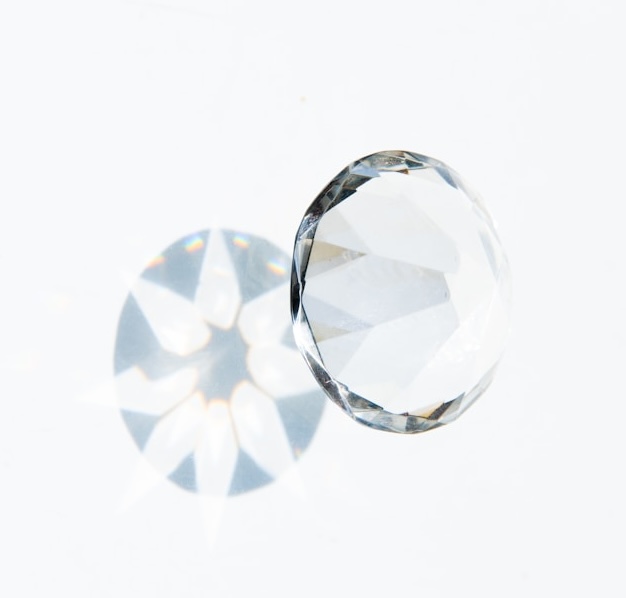
When a buyer evaluates a loose stone or the diamond in your ring, they look at four things:

The terminology gets used interchangeably, but the resale market evaluates them differently.
Loose diamonds: judged mainly on the stone itself — the 4Cs, certification, and resale demand. If you want to sell a loose diamond, include the certification if you have one. If you do not have paperwork, clear photos and measurements can still start the valuation.
Diamond rings: judged as a complete item, which may include the center stone, side stones, metal, setting, brand, and condition. Engagement rings may carry extra value if the diamond is certified or the setting is high quality.
Learn how much your ring may be worth based on its diamond, setting, metal, brand, and condition.
Knowing which one you have changes who you should sell to. Designer diamond jewelry from houses like Tiffany or Van Cleef often sells for more than the stone alone. Small diamond jewelry — earrings, pendants, bracelets — is usually valued as a full piece rather than as individual stones.
Leaning toward selling a diamond ring? Do not remove the diamond from its setting before seeking advice. The setting may add value, especially if it is platinum, designer-made, or in excellent condition.
The diamond itself is only part of the final offer. The actual price depends on several details.
Certification: GIA-certified diamonds are easier to verify and often attract stronger buyer interest.
Carat weight: larger stones usually have stronger resale potential, especially when quality is high.
Cut quality: a well-cut diamond appears brighter and more desirable.
Color and clarity: higher grades can improve value, but demand still matters.
Setting and metal: platinum, 18K gold, or designer settings may add value. If you’re also weighing whether to sell an 18K gold piece, the metal is priced separately.
Condition: chips, loose stones, worn prongs, or damage can reduce offers.
Brand: signed jewelry from known luxury houses can sell above standard resale value.
Market demand: classic shapes and popular settings may sell faster than outdated styles.
If you plan to sell a diamond engagement ring, these details matter even more. Engagement rings often carry emotional history, but buyers still focus on resale value. A transparent valuation helps separate sentimental value from market value.
Many people begin with a local jeweler, pawn shop, or diamond buyer.
That can work, but it often leaves sellers unsure whether the offer was fair.
Here’s how to get a fair price.