Holiday Bonus: Extra $50 gift card, your pick
Home
›
›
Sell Platinum
Sell your Platinum

Sell your platinum online

See what your platinum could sell for before you decide what to do next. Start with a few photos, review your itemized estimate, then ship only if the offer feels right.

★★★★★
4.9 · See Trustpilot reviews · “Excellent”
Insured shipping
Authenticated on camera
4.9 ★ Trustpilot rating
No-obligation to sell

Free insured FedEx label · nothing owed if you decline · shipped back free · payment sent 1 business day after acceptance

Prices update daily - your offer holds for 30 days.
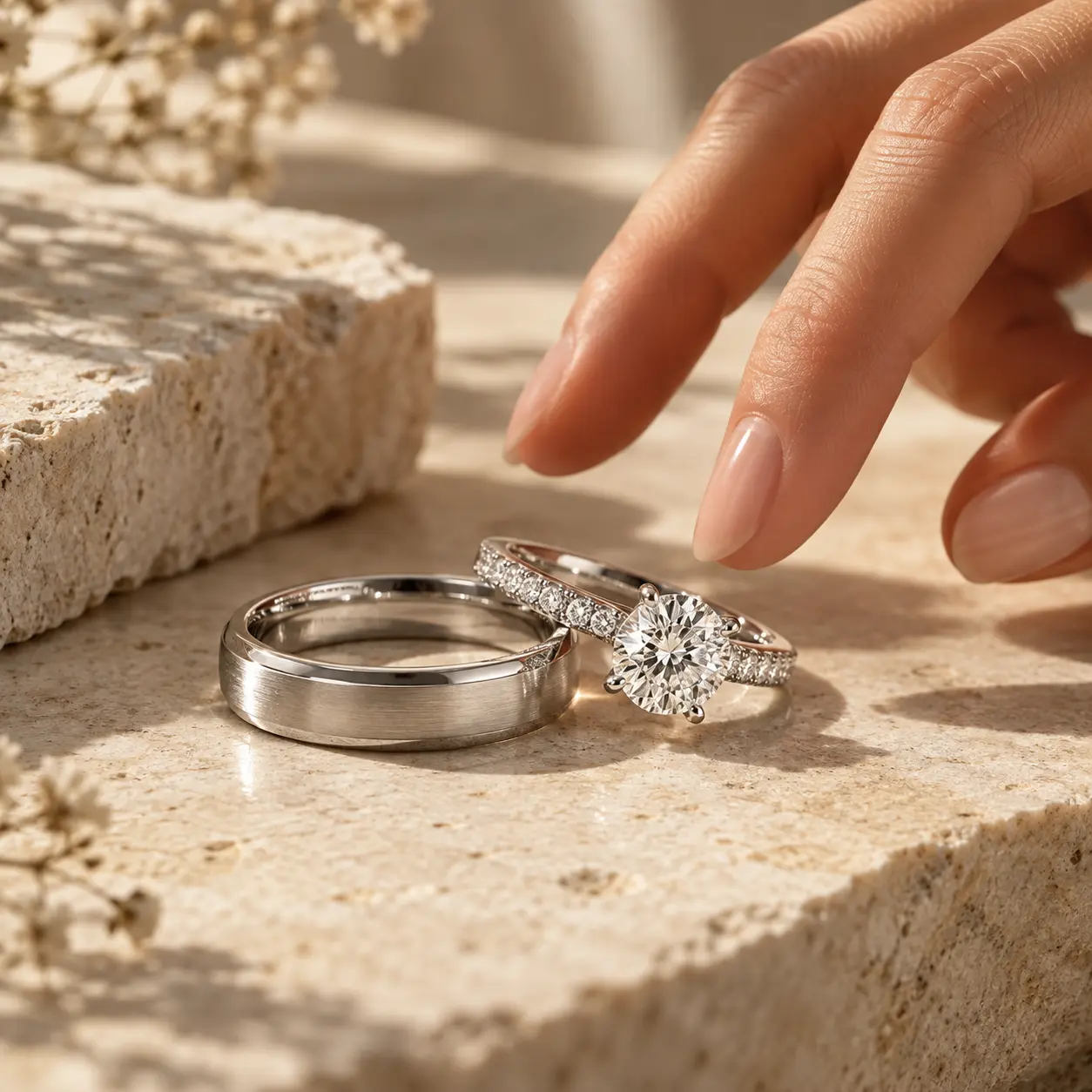
Jewelry photograph
SELLERS TRUST UNVAULT

Transparent valuation. Sold only if you choose.

300,000+
Valuations completed
$180M+
Jewelry tracked
BBB Accredited
Guaranteed transparency accross valuations
ONLINE PLATINUM VALUATION

Your platinum valuation in 3 simple steps

See what your platinum could sell for before you decide what to do next. Start with a few photos, review your itemized estimate, then ship only if the offer feels right.
01

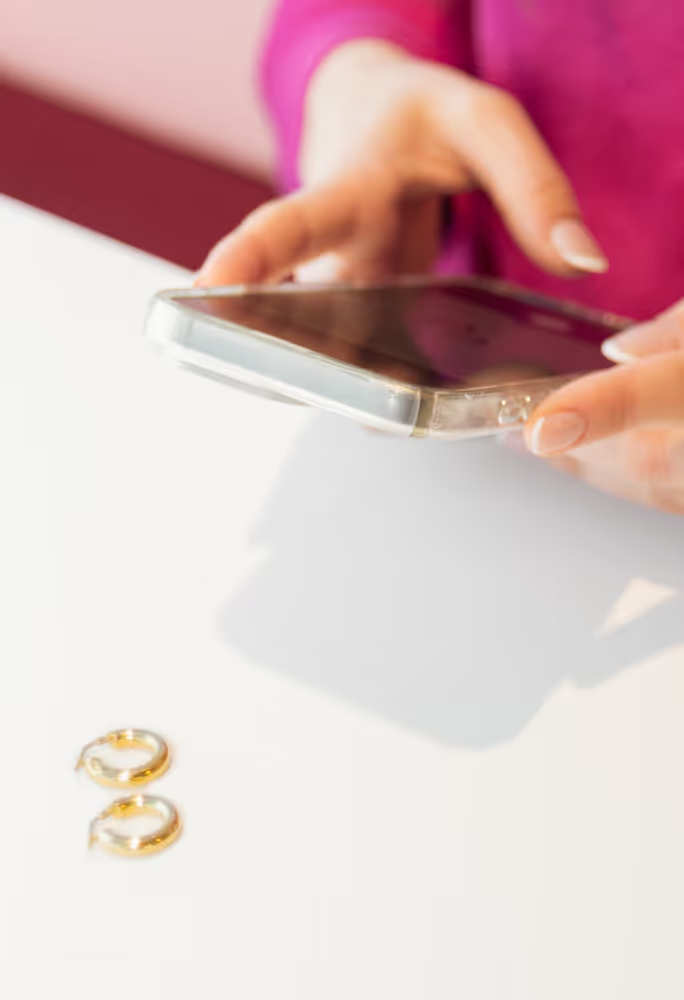
Upload photos of your platinum

Step illustration
02

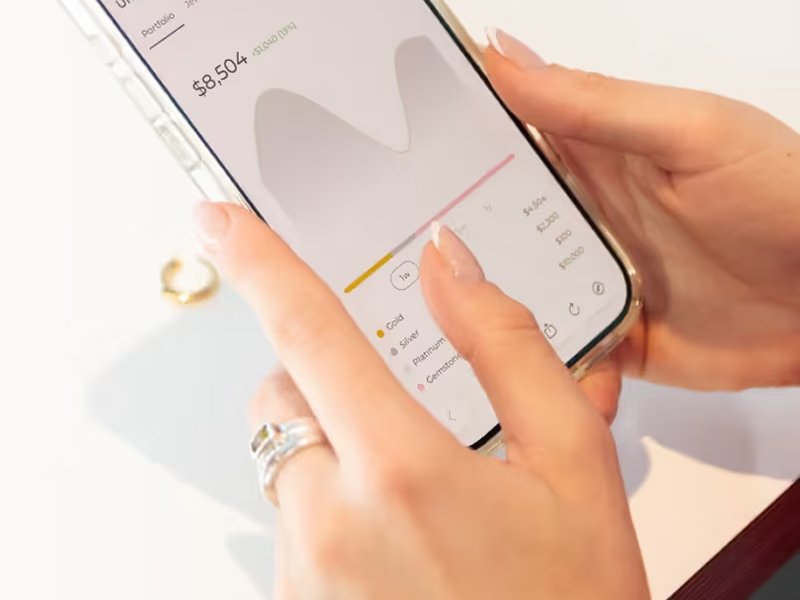
Receive your estimate

Step illustration
03

Sell when ready

Step illustration

In less than a minute, you’ll receive a detailed valuation.

Get Instant Valuation
Why Unvault

The best place to sell platinum online

A quick buyer may collapse platinum into one number without showing how purity, specifications, condition, or market demand affected it. Unvault gives you an estimate first so you can understand the basis and decide whether to continue.

The old way
Pawn / mail-in
  • A fast quote with little explanation
  • Category value reduced to one simple test
  • Pressure to hand over the item before understanding the offer
  • No clear answer for missing paperwork or visible wear
The Unvault way
Value first
  • An itemized estimate before you ship
  • Relevant specifications and condition reviewed together
  • Clearer net proceeds and process terms
  • You decide whether to continue after seeing the estimate
The value breakdown

What determines the value when you sell platinum

Platinum takes more sorting out than gold, because people are not always sure they have it. First establish the metal is platinum, then how much is in the piece, then whether it is worth more whole than as metal.
Section illustration

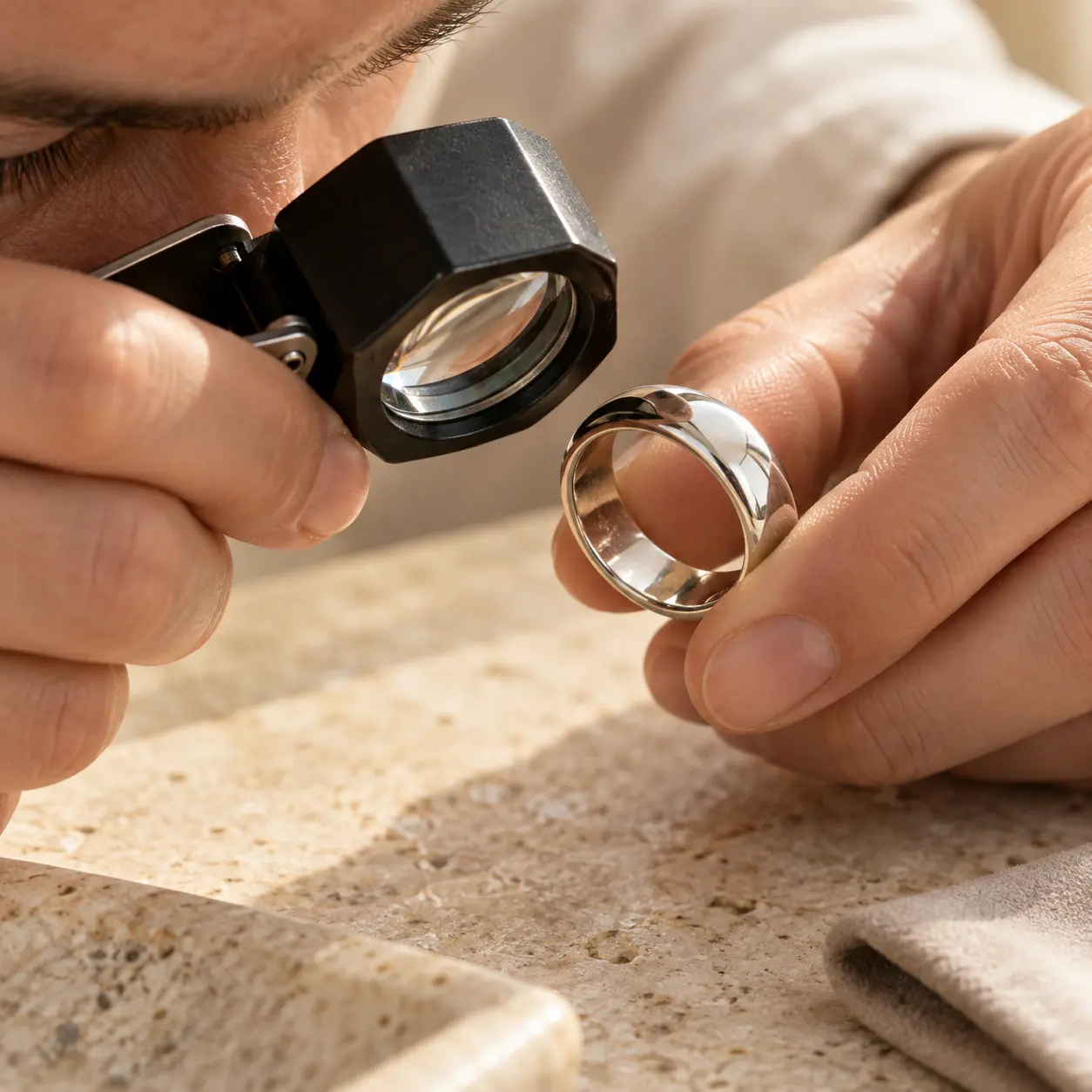
Confirm that the item is platinum

Most platinum carries a mark. On a ring it is inside the band, on a necklace or bracelet on the clasp, on earrings sometimes the post.

What you are looking for is 950, 900, 850, PT, PT950, PLAT, or an older combination like 10% IRID PLAT.

Stamps wear, and resizing can take the stamp away entirely, so an unreadable mark tells you little either way.

The more common confusion is with white gold. Platinum is much denser, so it feels heavier in the hand. And white gold is rhodium plated, so as the plating wears you see a faint yellow cast. Platinum keeps its color all the way through.

Note: A missing or unreadable stamp does not mean the item is not platinum. Testing settles it, and plenty of genuine platinum arrives with nothing legible on it at all.
Section illustration

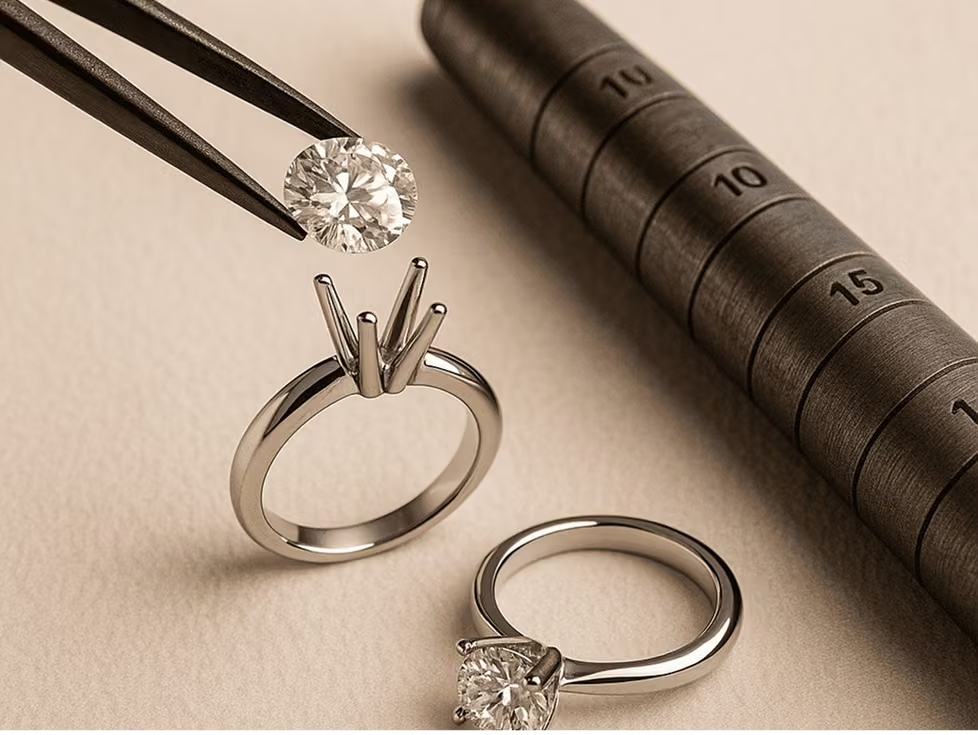
Purity and net weight set the metal baseline

Once the metal is confirmed the baseline is arithmetic. Verified purity multiplied by net platinum weight, then by the platinum price at a stated moment.

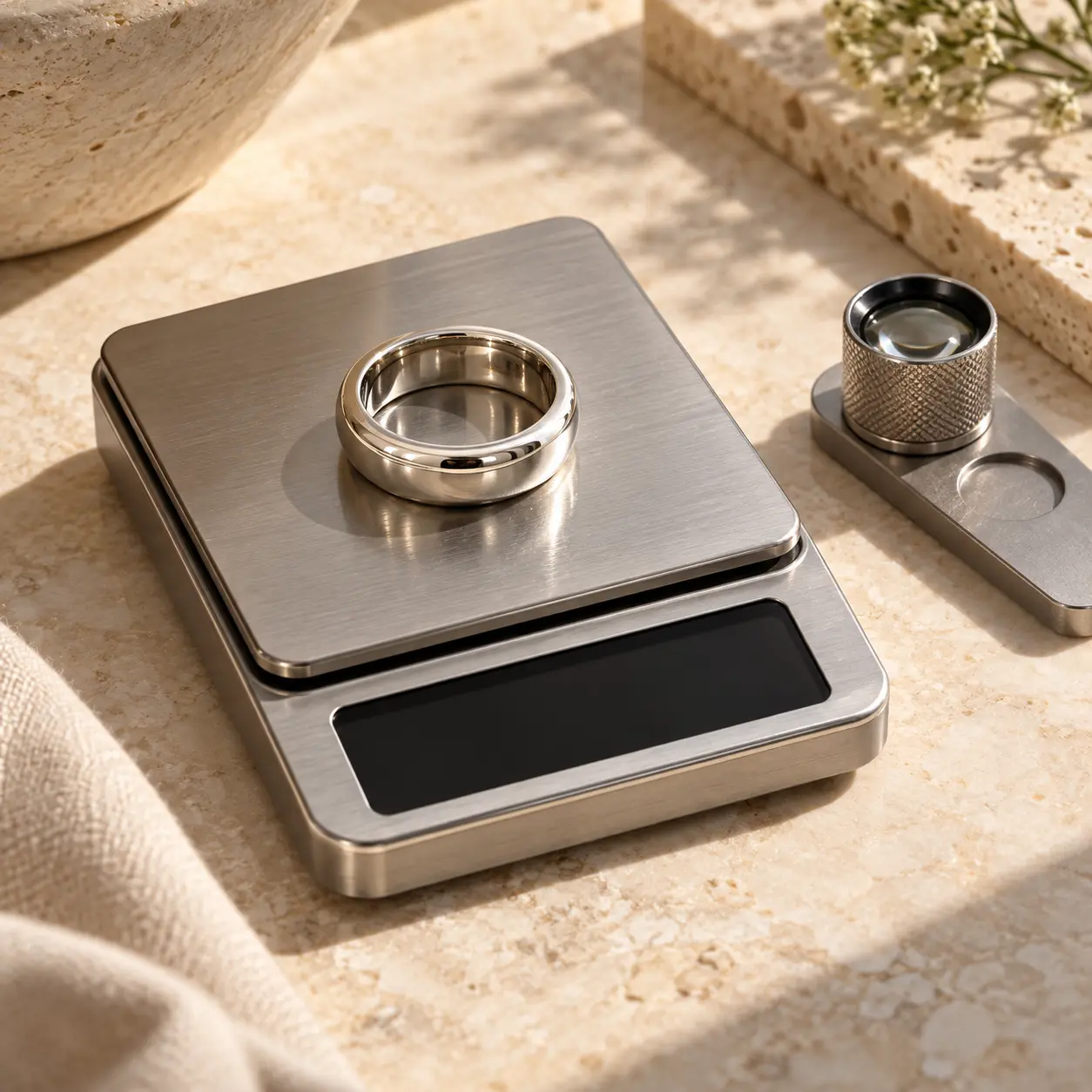
Net weight is the part that catches people out. Gross weight is everything on the scale, and a platinum ring includes the diamond, possibly a steel spring in the clasp or a hinge pin. None of that is platinum and none of it should be paid for as platinum. Equally, none of it should be quietly thrown away.

Platinum is quoted per troy ounce, about 31.1 grams, while jewelry is weighed in grams or pennyweights, so check which unit a quote uses. The platinum calculator and scrap platinum calculator will get you to a ballpark.
Section illustration

Jewelry details may add value beyond metal

This is where platinum differs from bullion, and where sellers lose the most money by not asking.

Stones: Platinum was the setting metal of choice for fine diamond jewelry. On an engagement ring the diamond is frequently worth more than all the metal around it.

Designer signatures: A signed piece from a recognized house is valued differently from an unsigned one of the same weight.

Period and craftsmanship: Art Deco and Edwardian work is difficult and expensive to reproduce.

Condition: Wear, a repair, a resize or a cracked shank all narrow the pool of buyers who want the piece intact.

Current demand: What the resale market wants this season affects what a wearable piece draws.

WHAT SELLERS SAY ABOUT UNVAULT

Read what people say about selling with Unvault

4.9
★★★★★
Trustpilot rating · rated “Excellent”
BBB · A+ Accredited
Jewelers Board of Trade
★★★★★

Unvaulted was fair with the buying costs, fast with getting evaluation done, I would definitely use this business again and recommend it to others

✓ Verified sale
Andria W.
United States
Read on Trustpilot
★★★★★

Very easy and very professional! Please consider doing all your jewelry and accessories with this company only. I guarantee you will not be disappointed

✓ Verified sale
Sara D.
United States
Read on Trustpilot
★★★★★

Awesome process. The finance part of its right. The step by step updates is very convenient and simple. And overall is the best place to go.
✓ Verified sale
MarcusRussell
United States
Read on Trustpilot

Recent Valuations

Sold
Sold jewelry item
$6,016
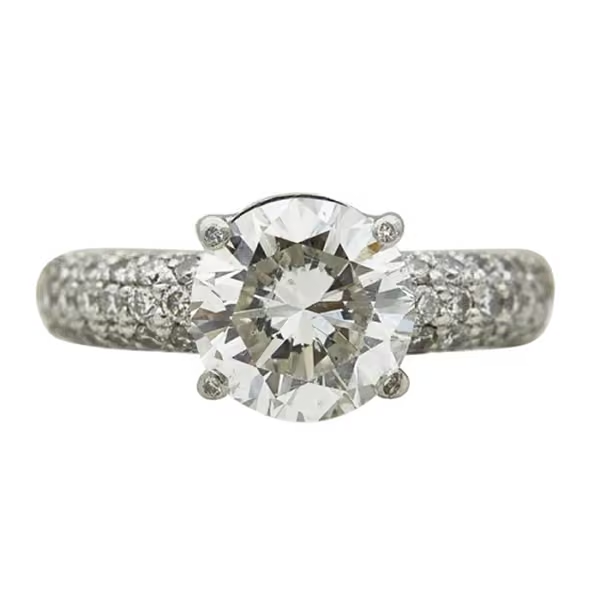
Ashlyn’s diamond ring
Sold
Sold jewelry item
$8,450
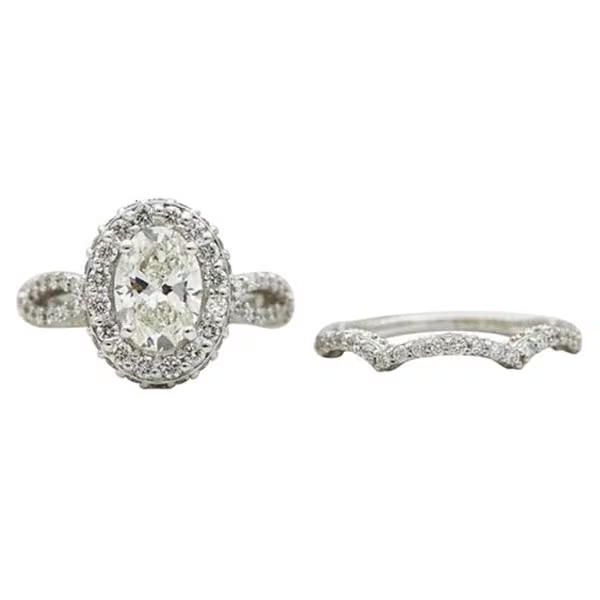
Alice’s oval halo ring
Sold
Sold jewelry item
$9,299
Steven’s diamond earrings
Sold
Sold jewelry item
$14,200
Priya’s diamond earrings
Sold
Sold jewelry item
$21,000
Jacquelyn’s eternity band
Sold
Sold jewelry item
$21,000
Jacquelyn’s eternity band
Questions, answered

Selling platinum online — FAQs

How can I tell whether my item is platinum or white gold?

Start with the mark. Platinum is stamped 950, 900, 850, PT, PT950, PLAT or something similar. White gold carries a karat mark instead, so 14K, 18K, 585 or 750.

If the mark is worn away, weight and color will usually tell you. Platinum is noticeably denser, so the same ring in platinum has a heft that white gold does not. And white gold is nearly always rhodium plated, so as the plating goes you get a warm yellowish tone showing through at the points that rub. Platinum keeps its color right through and just goes softly gray with age. There is more on how white gold is made and plated in what white gold is made of.

Photograph the inside of the band or the clasp at full zoom, plus the whole piece, and send both. If you have a kitchen scale, the gram weight is useful too. Neither weight nor color is conclusive on its own, particularly on a piece that mixes metals, so testing is what settles it, and that happens when the item is in hand.

What do 950, 900, Pt, and Plat stamps mean?

They describe how much of the piece is actually platinum, in parts per thousand. 950 means ninety five percent platinum with the remainder made up of alloying metals such as iridium, ruthenium, cobalt or copper. 900 means ninety percent, and 850 means eighty five percent.

PT and PLAT are shorthand for platinum. In the United States an unqualified PLATINUM or PLAT mark has generally meant at least 950 parts per thousand, with anything lower required to carry its number. Older American pieces often read 10% IRID PLAT, which is ninety percent platinum and ten percent iridium, and it is common in jewelry from the 1910s through the 1940s.

One oddity worth knowing. Platinum alloyed with cobalt, which is used in casting, can be very slightly magnetic. A faint pull from a magnet does not mean your piece is fake.

Photograph every mark you can find, including maker's marks and assay marks, not only the purity stamp. A stamp is a claim, not a verification: it is checked against what the metal actually tests as, and occasionally the two do not match.

How is platinum weighed and priced?

The piece is weighed, the non platinum components are identified and taken out of the figure, and the remaining platinum weight is multiplied by the verified purity. That gives actual platinum content. Content multiplied by the platinum price at a stated time gives the metal baseline.

Watch the units. Platinum is quoted per troy ounce at about 31.1 grams, while jewelry is normally weighed in grams or pennyweights, and a pennyweight is about 1.555 grams. Quotes given in different units are not comparable until you convert them.

Ask any buyer for the gross weight, the deductions, the net platinum weight, the purity used and the price with its timestamp. Five numbers. A weight taken at home will be approximate, since household scales are not calibrated for this and stones cannot be weighed separately while they are still set.

How much below spot should I expect when selling platinum?

Below it, in most cases, because every buyer works a spread. Platinum spreads on scrap tend to be wider than gold spreads, and there is a reason for it. Platinum melts far hotter than gold and refining it needs different equipment and a different process, so the cost of turning your piece back into usable metal is higher. The market is also thinner, which means a buyer holds the risk for longer.

A wearable or collectible piece is a different calculation entirely and can land well above its melt value. Be wary of anyone quoting a fixed percentage of spot before they have seen the item, and equally wary of a number sitting well above everyone else's. It is also worth knowing that an insurance appraisal and a resale offer are different figures with different purposes, which is set out in appraisal versus valuation.

Ask for the offer itemized, with the metal and any stones priced separately so you can see which part of the number is which. Unvault does not publish a fixed percentage of spot, because it depends on the piece and on the moment, and the fee appears in the itemized breakdown before you accept anything.

Can I sell platinum jewelry without paperwork?

Yes. The piece is the evidence. Marks, weight, density and composition are all checked directly, and platinum with no receipt, no box and no certificate is perfectly sellable.

Paperwork helps where stones are involved. A grading report for a diamond removes a lot of guesswork and usually speeds things up, and a receipt from a designer house supports a signature. Neither is required.

Send what you have. If there is a grading report for a center stone, include a photo of it, since the stone is often the larger half of the value. Without one, a set stone is assessed in the mount, which is a more cautious read than a stone examined loose, so the preliminary estimate carries more uncertainty.

‍

What should I expect at a pawn shop or scrap buyer?

Both tend to price platinum as metal, and often conservatively. A pawn shop is generally lending against the item rather than buying it as jewelry, so the figure sits well under the metal and design value is usually passed over. A scrap buyer is buying weight. That is fine if weight is all you have, and a poor outcome if it is not.

Some counters are also less confident with platinum than with gold, simply because they see less of it, and uncertainty shows up in the price.

Five questions before you hand anything over.

  1. Did you test this as platinum, and how?
  2. What net platinum weight did you calculate, and what came off the gross?
  3. What platinum price, and at what time?
  4. What is your spread or fee?
  5. Did you value the stones or the design separately from the metal?

A verbal quote is not an offer. Get it in writing, with the time on it, before you agree to anything.

How can I avoid being underpaid for platinum?

Most underpayment on platinum comes from one of three places. The item was assumed to be white gold and never tested. The stones and the design were folded into a single metal number. Or the price used was old and nobody said so.

All three are visible in an itemized breakdown, which is the reason to insist on one. Get two or three quotes on the same day, ask each of them for the metal and the stones priced separately, and compare what actually gets to your account rather than the headline figure. If you are not sure which parts of your piece carry value, what we value sets out what gets assessed as metal and what gets looked at on its own merits.

With Unvault you get a free prepaid, fully insured FedEx label. The item is examined on camera and you get video of the inspection, the offer is itemized, and if you decline it everything comes back free with insured return shipping. Payment goes out one business day after you accept. The full sequence is on how Unvault works, and there is more on avoiding the usual traps in selling online without getting scammed and on whether it is safe to ship.

Before shipping anywhere, confirm in writing who insures the parcel and up to what value, whether the inspection is documented, how long the offer stands, and who pays return shipping if you decline. Return shipping insurance is limited to the authenticated value of the items, so what you declare and what gets authenticated need to line up.

Ready to see what your jewelry is worth?

Free valuation in 60 seconds. Sell if you want.
Get Instant Valuation