New: Unvault featured on Bloomberg

See what your Tiffany jewelry is really worth before you commit. Start with clear photos, review your itemized estimate, then ship only if the offer feels right. We buy your piece outright at the best price and pay you instantly - no consignment, no waiting.
Free insured FedEx label · nothing owed if you decline · shipped back free · payment sent 1 business day after acceptance
Prices update daily - your offer holds for 30 days.

See what your Tiffany jewelry could sell for before you decide what to do next. Start with a few photos, review your itemized estimate, then ship only if the offer feels right.

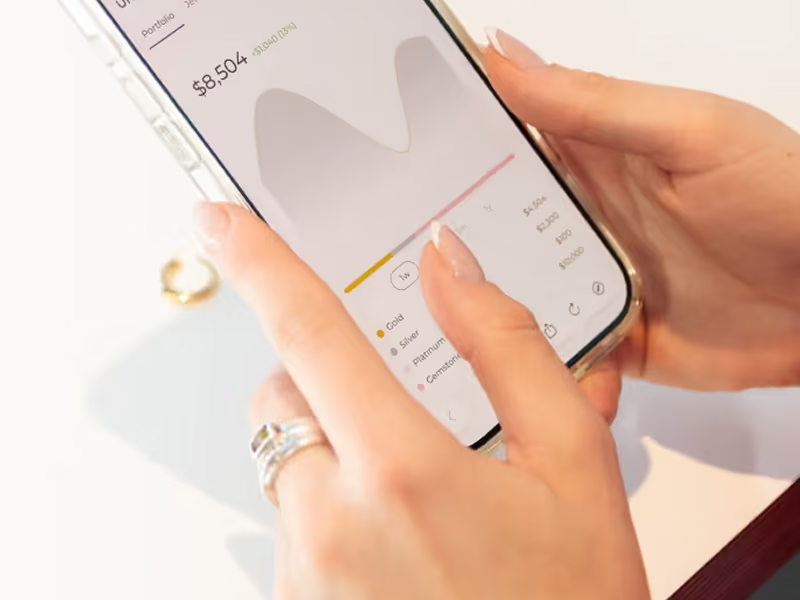
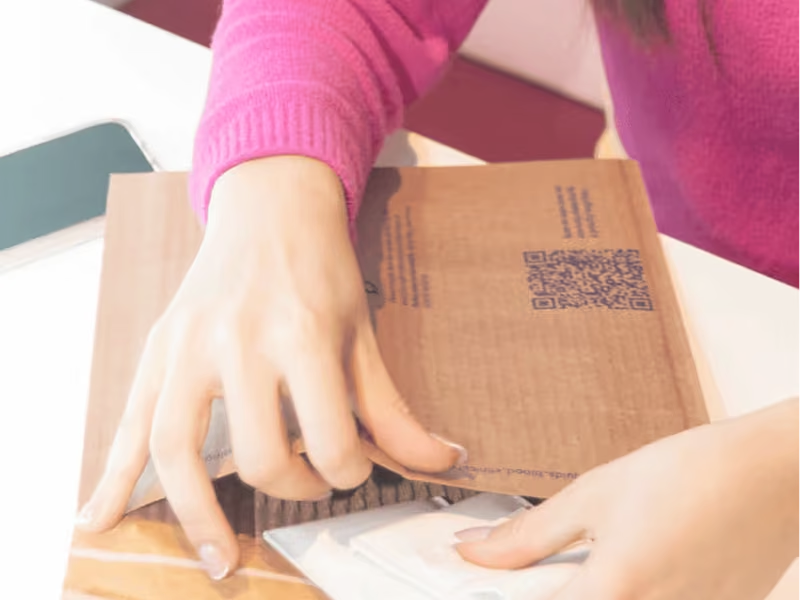
In less than a minute, you’ll receive a detailed valuation.
Get Instant ValuationTraditional buyers make you ship first and hand you one opaque number. Unvault flips it: value first, full breakdown, sell only if you choose.
Three things can decide what a Tiffany piece is worth on resale: whether it can be confirmed as Tiffany, what it is made of and how recognizable the design is, and the condition it is in today.
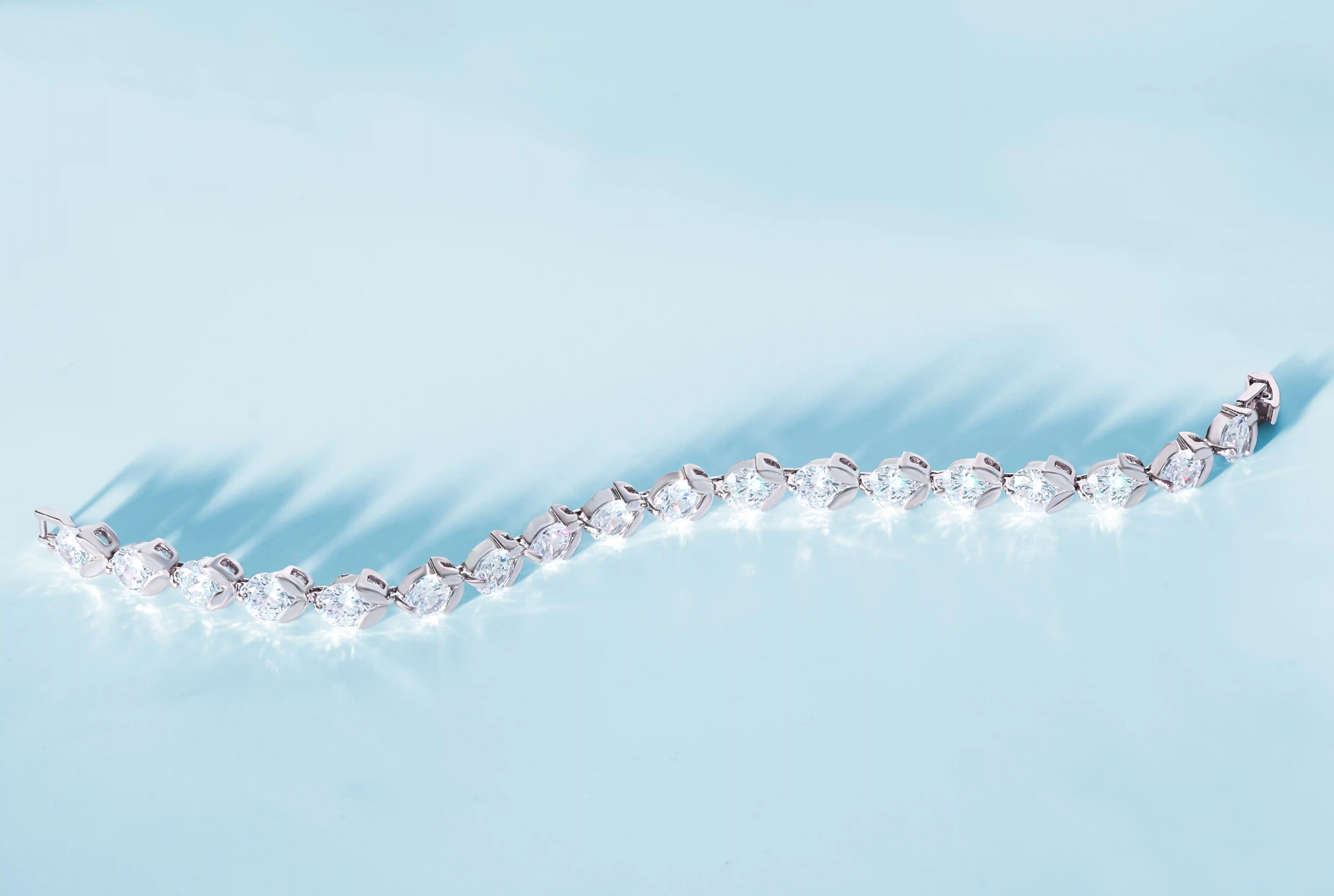
There’s not one single detail that can confirm a Tiffany piece. In this case a specialist reads all of it together:
Then they check that it all agrees and matches how that piece was actually made.
Photograph these close and in focus: the engraving, every hallmark, the clasp inside and out, the backs of settings and charms, and the full piece.
A serial number does not prove authenticity on its own. Neither does a receipt. Both can be copied, and both can belong to a different piece.
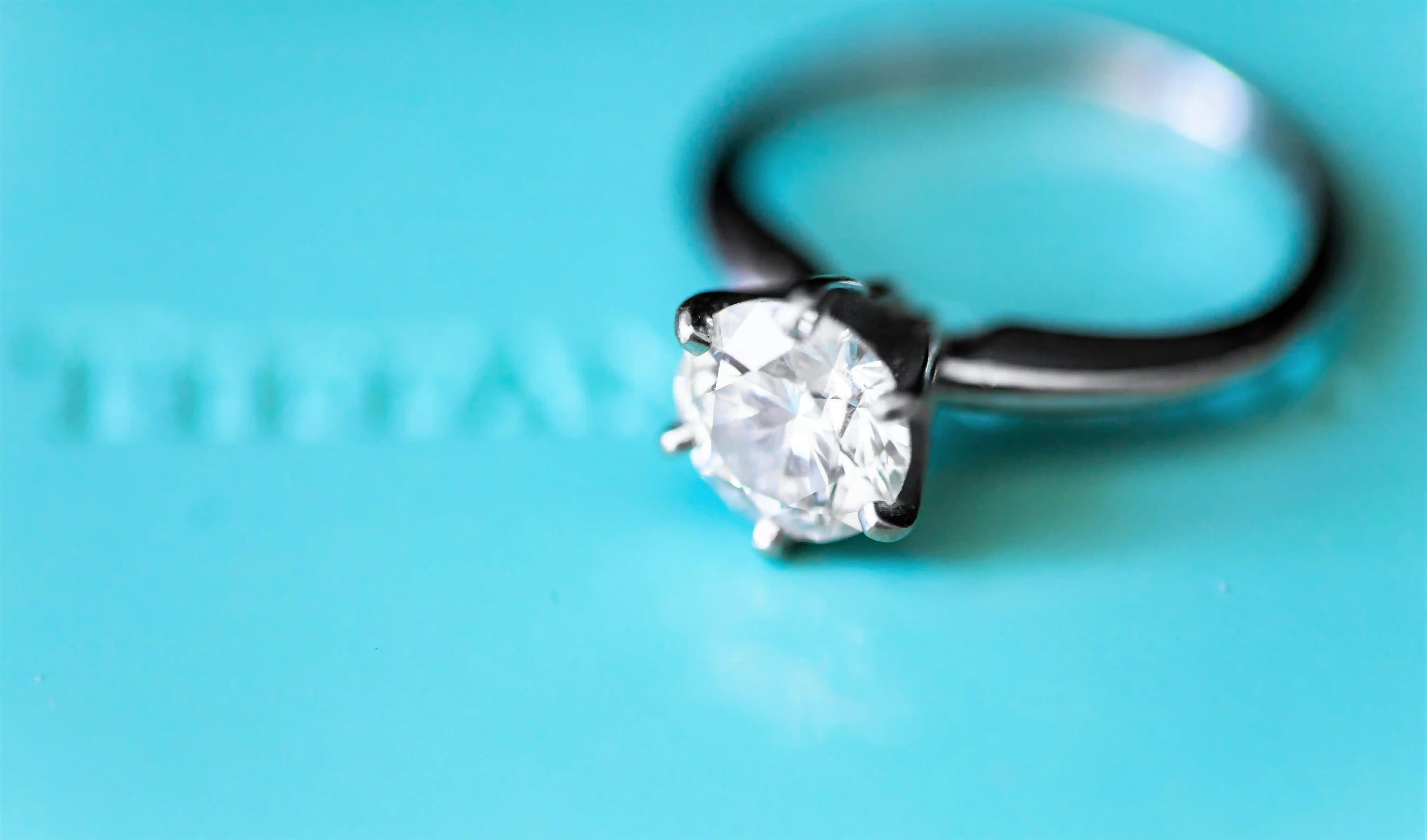
Materials set a floor. The design decides how far above it you go.
Sterling silver, 18k and 14k gold, platinum, diamonds and colored gemstones are all valued differently.
If a piece can be identified as part of a known family such as Return to Tiffany, Tiffany T, HardWear, Elsa Peretti or Jean Schlumberger, that widens the pool of buyers looking for it specifically. If it cannot be identified, it is valued on the metal, stones and workmanship alone. Signed pieces from other houses are covered on the designer jewelry page.
Signed Tiffany silver should not automatically be priced as scrap. If a buyer quotes you a silver weight and nothing else, they have not valued the piece. They have weighed it.
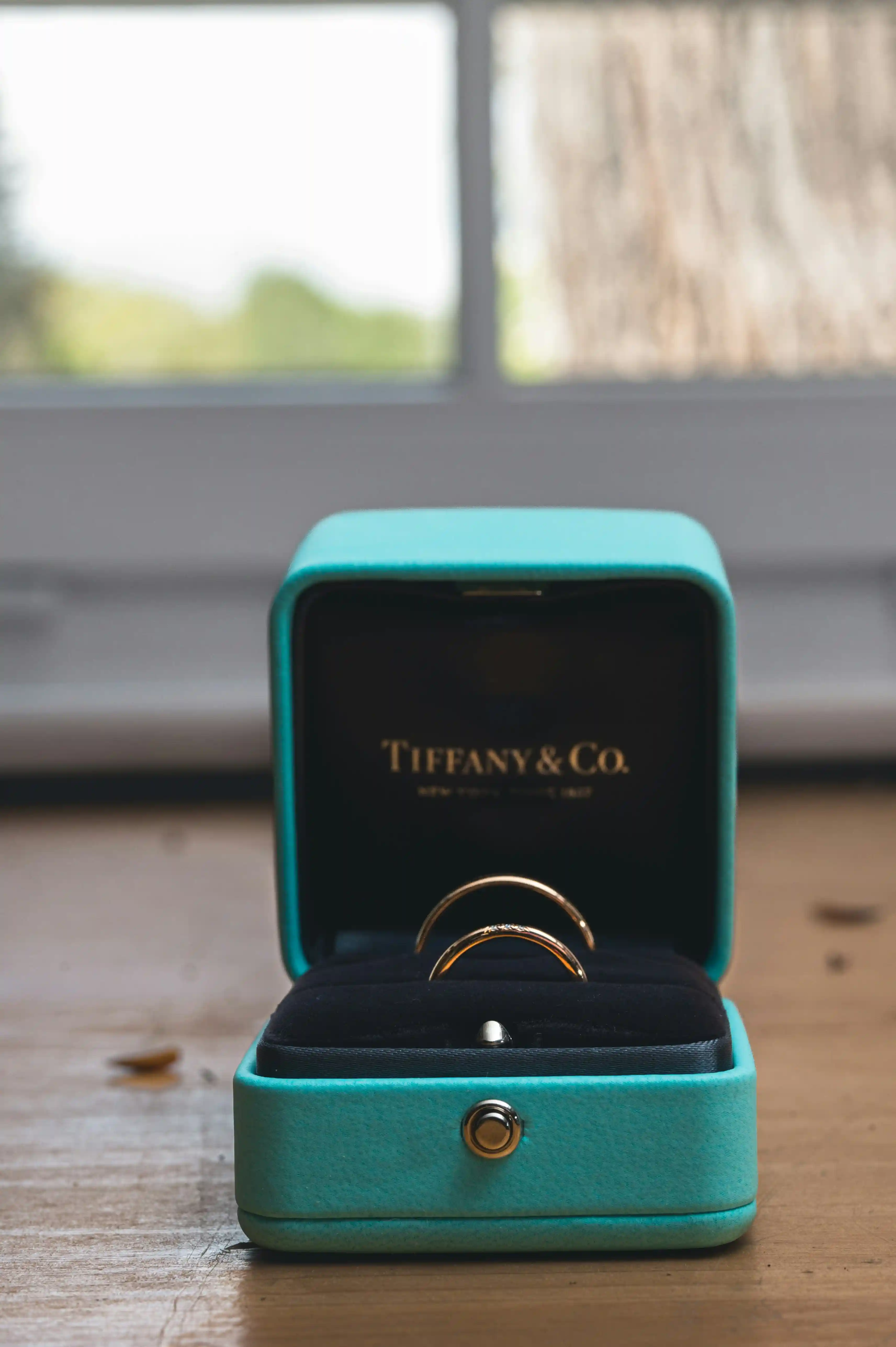
Condition is judged as the piece stands today. This is what matters:
Box, pouch, receipt and service records help. They widen the buyer pool and speed up verification. They are not required.
I recently sold some jewelry to Unvault and was pleasantly surprised by how smooth and simple the process was. The entire transaction only took a few days and the payment was more than I expected. I also received great customer service. I will definitely work with them again.
Start to finish, what an awesome process- First, my jewelry was appraised as a digital estimate, then followed up with an email. A free packing label was sent; I dropped it off at my local Fedex store - received another email from Unvault that my box was received. Next step was receiving an email with offer, alongside a video appraisal showing every step of the unboxing. Once I agreed to offer, received email that check would arrive within 7-10 business days.Very pleased!
I couldn't be happier with this experience. The submission process was super easy and painless, and the amount I got was surprisingly large (even larger than their initial estimate). Would give this service 10 stars if I could.