New: Unvault featured on Bloomberg

See what your gold bars could sell for before you decide what to do next. Start with a few photos, review your itemized estimate, then ship only if the offer feels right.
Free insured FedEx label · nothing owed if you decline · shipped back free · payment sent 1 business day after acceptance
Prices update daily - your offer holds for 30 days.

See what your gold bars could sell for before you decide what to do next. Start with a few photos, review your itemized estimate, then ship only if the offer feels right.

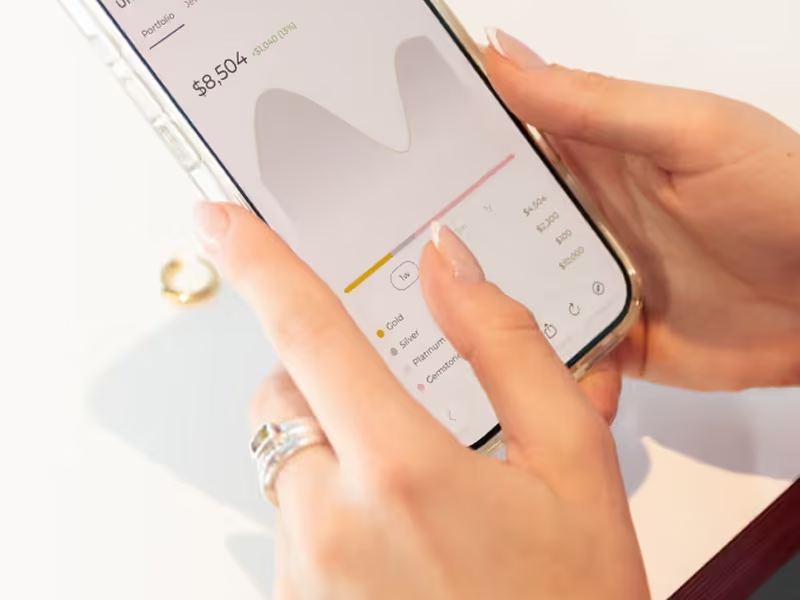

In less than a minute, you’ll receive a detailed valuation.
Get Instant ValuationTraditional buyers make you ship first and hand you one opaque number. Unvault flips it: value first, full breakdown, sell only if you choose.
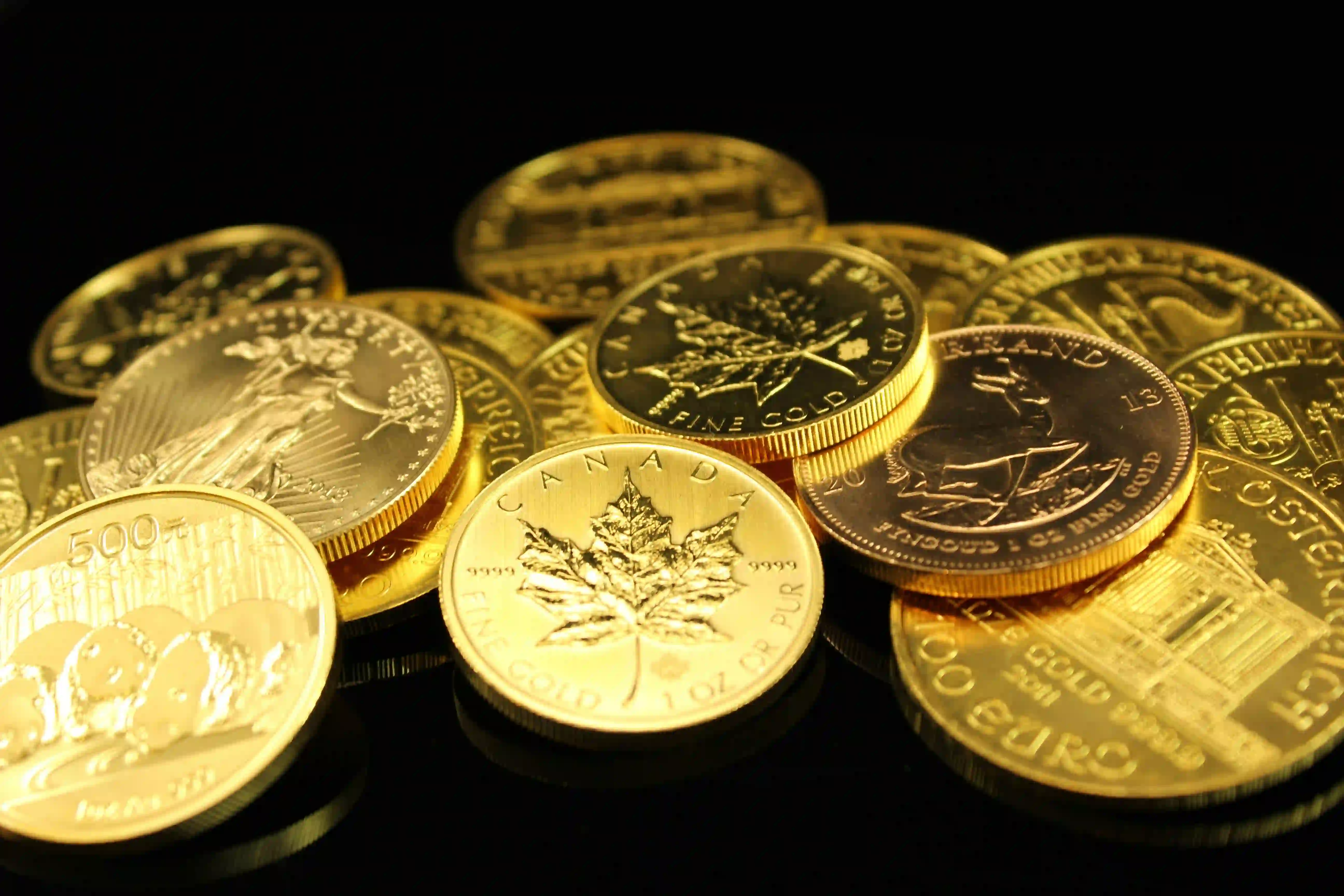
A gold bar is among the simplest things to value and among the easiest to get wrong. Three things decide the offer: whether it can be verified, how much gold it holds against spot, and what comes off the top.

A gold bar is identified through a combination of things rather than just one: the refiner's name and logo, the stated weight, the fineness (999.9 or 9999 on most investment bars), a serial number, and the dimensions. Those should agree with each other and with the refiner's published specification. A bar that weighs correctly but measures wrong is a problem.
Assay packaging supports identification but is not proof by itself. Packaging gets reproduced, and a card can be genuine while what sits inside it is not.
Photograph each of these in focus: the front, the back, the edge, the serial number, and the packaging including any certificate.

Start with the two numbers on the bar: gross weight and fineness. Multiply them and you have the pure gold content. A 100 g bar at 999.9 fineness holds 99.99 g of pure gold. That figure, set against the spot price, is the baseline.
Gold is quoted per troy ounce, about 31.103 grams, heavier than the ordinary ounce of roughly 28.35 grams, and confusing the two is one of the most common ways a seller misreads a quote. Bars are sold in grams (1 g, 5 g, 10 g, 100 g, 1 kg) and in troy ounces, so check which unit a quote uses. The gold calculator will get you to a ballpark.

Two bars with identical pure gold content do not always draw the same offer.
Refiner recognition
Bars from widely traded refiners are easier to resell, which shows up in the price.
Bar size
Smaller bars cost more per gram to produce and handle. Larger bars are more efficient to sell, but fewer buyers can absorb them.
Liquidity
How readily that specific product moves in the current market.
Condition
Scratches, a broken seal, or an unreadable serial will all narrow the buyer pool.
Dealer spread
Every buyer works on a margin. That margin is normal; what matters is whether it is disclosed.
Compare price locks, fees, shipping and payment timing, not only the figure against spot.
Unvaulted was fair with the buying costs, fast with getting evaluation done, I would definitely use this business again and recommend it to others
Very easy and very professional! Please consider doing all your jewelry and accessories with this company only. I guarantee you will not be disappointed
Awesome process. The finance part of its right. The step by step updates is very convenient and simple. And overall is the best place to go.