
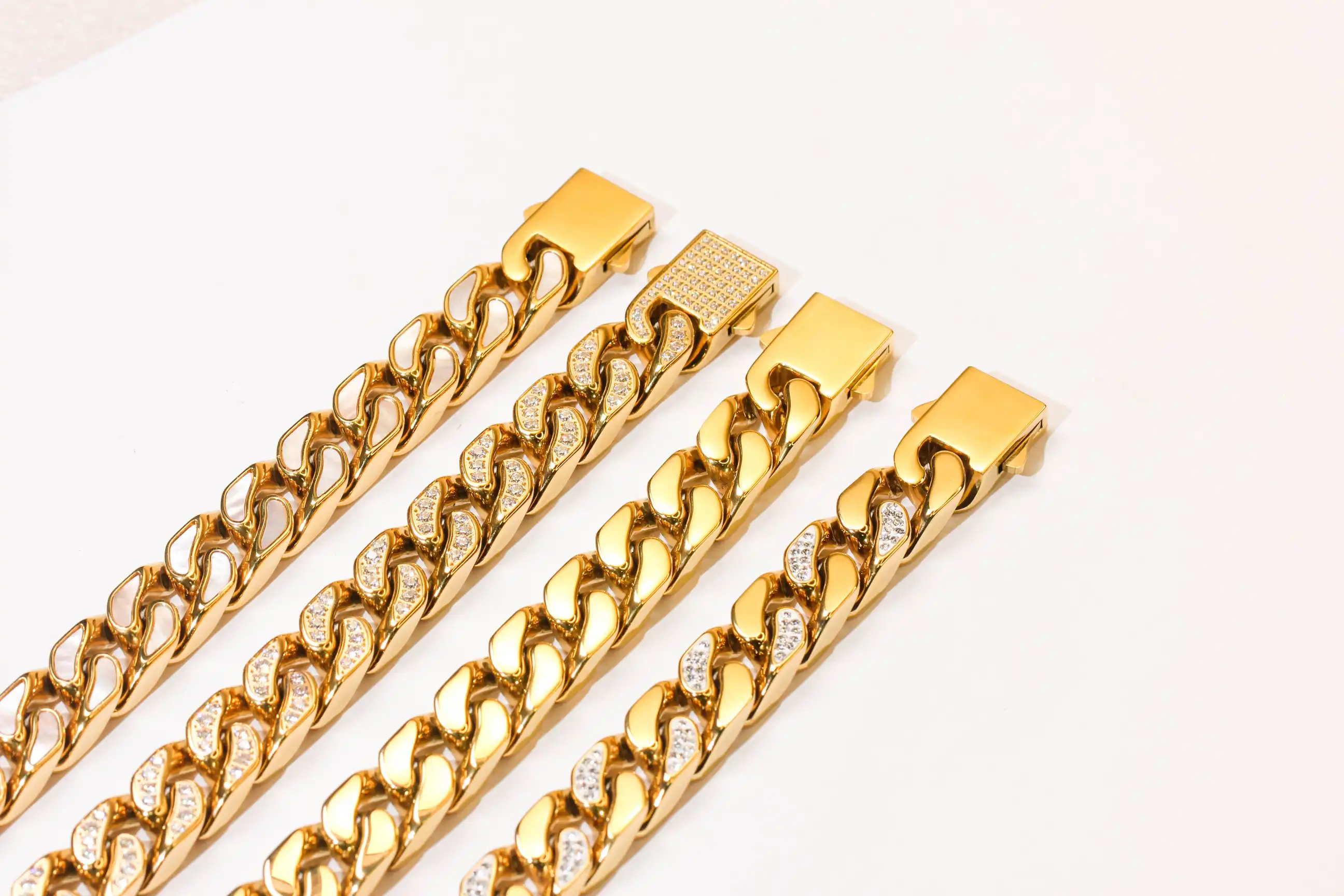
A 417 stamp means the piece is 10K gold: 41.7% pure gold (10 ÷ 24), with the rest made up of alloy metals such as copper and silver. It is real gold, but with less gold content than 14K or 18K. Its value starts with weight × 0.417 × the current gold price.
If you’re thinking about selling jewelry online and notice “417” stamped into the metal, this mark reveals the piece’s gold purity. Understanding what it means can help you assess your jewelry’s potential value on the resale market.
In this article, you’ll learn what a 417 gold stamp means and how to find out if your jewelry is genuine. We’ll also explain how you can get the piece appraised so you know what it’s worth.
What does 417 mean on jewelry?
So, what is 417 gold? A 417 stamp means your jewelry is 10K, or 41.7% gold. This number is assigned based on the millesimal fineness system, which measures gold purity in parts per thousand.
So the metal the jewelry is made from contains 417 parts of gold out of 1,000 parts total. The remaining 58.3% is other metals like nickel and copper, mixed in to make the jewelry stronger and change its appearance.
Is 417 gold real?

True 417 gold is real and can have genuine resale value. The 417 stamp is a recognized purity mark, so manufacturers must follow strict rules when they use it.
However, keep in mind that letters or symbols next to a 417 or 10K mark can change what the stamp means. For instance, “10K GP” means the piece is only plated with 10K gold.
In addition, some counterfeit collectibles may have misleading hallmarks. A few at-home screening checks can help you spot red flags:
- Inspect for wear: If another color or metal shows through, the jewelry may be gold plated.
- Check your skin: Some base metals react to the oils on your skin. Green or dark marks can signal that a piece isn’t real gold.
- Try the float test: Jewelry made from a pure gold alloy should sink in water.
- Add a few drops of vinegar: Real gold generally won’t react to white vinegar, while other metals may change color.
- Test it with a magnet: Gold isn’t magnetic — a strong attraction could be a sign to investigate further.
Where can you find a 417 stamp on gold jewelry?
417 stamps and other hallmarks are usually tucked into discreet areas, so you may need to look closely at your jewelry. Start with these common locations:
- Rings: Check inside the ring’s band.
- Necklaces and bracelets: Look near the clasp, end tab, or connecting hardware.
- Brooches and pins: Examine the back near the hinge or pin stem.
- Earrings: Look at the post and backing or behind the setting.
- Pendants: Check near the bail.
If your gold jewelry is older, the 417 engraving may be partially worn away. Try using a magnifying glass or your phone’s camera zoom to find and read the mark.
What are the pros and cons of 417 gold?
417 gold offers a practical balance of durability and cost. The tradeoff is lower gold content, which affects both aesthetics and value.
Here’s what makes 10K gold stand out:
- Built for everyday wear: The higher proportion of other metals makes 10K gold more durable, so older pieces may stay in good condition longer.
- Affordable: With less pure gold than 14K and 18K pieces, 10K jewelry generally comes at a lower price point.
- Available in various colors: Different metal blends can give 417 gold a yellow, white, or rose finish.
And these are the main drawbacks:
- Lower resale value: At 41.7% purity, 10K gold can mean a lower melt or resale value.
- More risk of sensitivity: Because so many other metals may be mixed in, 417 gold might not be ideal if you’re sensitive to a material like nickel or copper.
- Less buyer interest: Some buyers and collectors prefer high-karat gold because of its rich color and strong value.
How much is 417 gold worth?
To find out what your gold jewelry may be worth, start with two key pieces of information: the item’s weight and the current gold price. With that and the karat, Unvault’s Gold Melt Calculator can help you estimate the value of your piece.
From there, other details can affect the results of an appraisal, including:
- Condition: Damage and heavy wear can lower jewelry’s resale price.
- Gemstones: Diamonds and other valuable stones may add value.
- Maker and design: Jewelry from sought-after brands could earn a higher price.
- Resale demand: Vintage and collectible designs might attract more interest.
- Selling costs: Buyer margins and refining costs can reduce the final payout.
What’s the difference between 417 and other gold purity stamps?
In general, the higher the fineness number is, the more gold a piece contains. You’ll also see purity expressed in karats, which describes gold content using a 24-part scale instead.
Let’s look at how the gold purity stamps in these two systems compare.
| Karat | Gold parts | Fineness | Purity |
|---|---|---|---|
| 10K | 10/24 | 417/1,000 | 41.7% |
| 14K | 14/24 | 583/1,000 | 58.3% |
| 18K | 18/24 | 750/1,000 | 75% |
| 22K | 22/24 | 917/1,000 | 91.7% |
| 24K | 24/24 | 999–1,000 | ~99.99% |
You might come across lower stamps as well, like 9K (375) or 8K (333). The FTC used to require that jewelry meet a minimum 10K fineness standard before it’s called “gold.” It’s since removed that threshold, so lower-purity pieces can still be described as gold as long as the marketer discloses fineness clearly and accurately.
See what your 417 gold jewelry may be worth with Unvault
A 417 stamp tells you that a piece is likely 10K gold, but that mark is only one piece of the puzzle. A stamp alone can’t confirm your jewelry’s authenticity or makeup, and real-world value depends on many other factors.
If you want a clearer idea of what your jewelry could be worth, Unvault makes the next step simple. Upload photos of your stamped piece to get an estimated gold value in about 60 seconds, with no account or commitment required.
Frequently asked questions
Know what your jewelry is worth before you sell.
Monthly gold-price context and hallmark guides from Unvault’s gemologists. No spam, unsubscribe anytime.
Related posts



Ready to see what your jewelry is worth?