
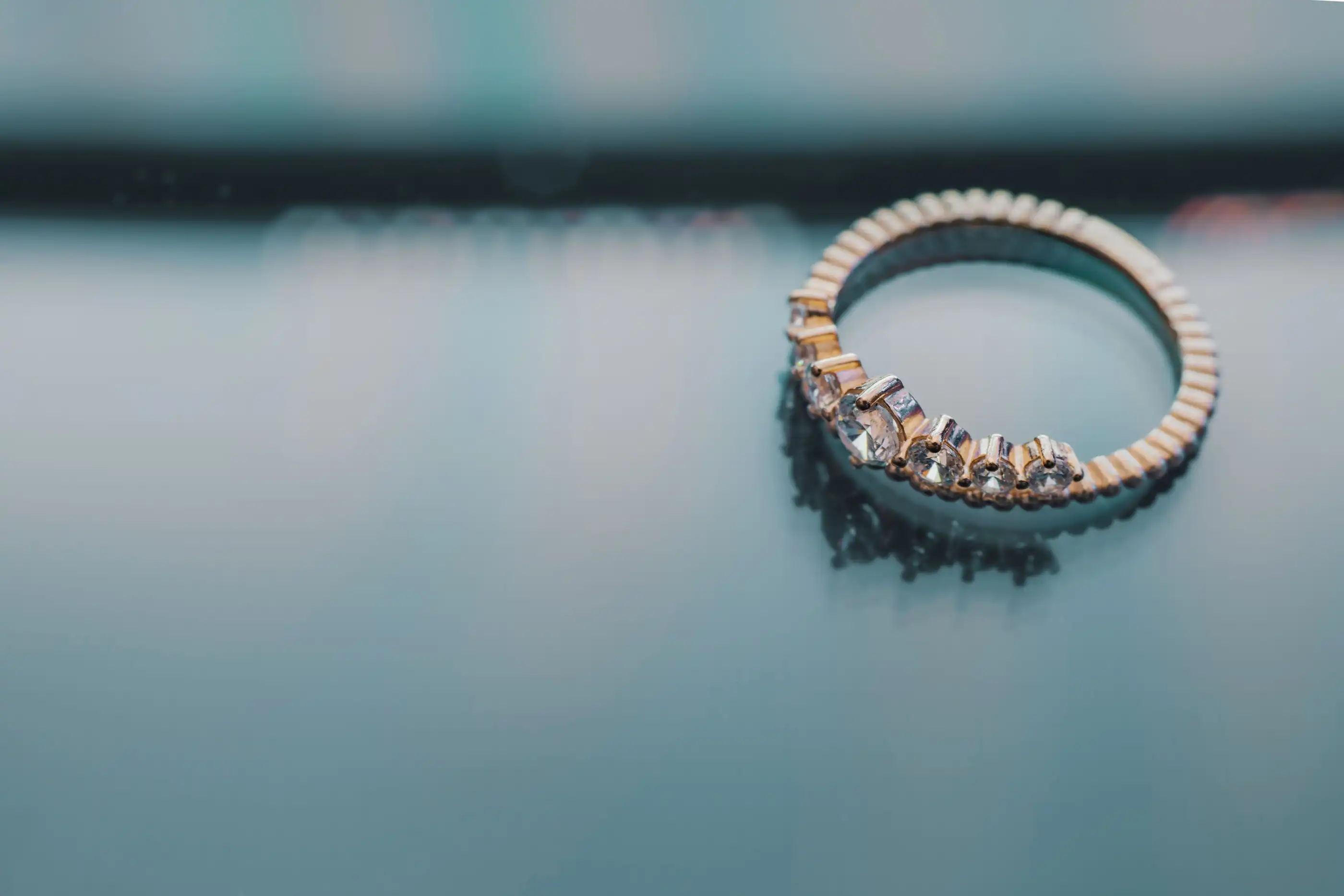
22K gold is 91.6% pure gold and 18K is 75%, so 22K has a richer yellow color and a higher melt value per gram. 18K contains more alloy metals, which makes it harder and more durable for everyday rings and stone settings. Choose 22K for gold content and 18K for durability.
A small stamp in an inconspicuous spot can tell you a lot about a piece of gold jewelry. If you’re looking at a newly inherited gold piece or thinking about selling something you own, finding that stamped number is a good place to start understanding what you have. The stamp tells us the gold’s karat purity, which affects the way jewelry looks, how it wears, and its value.
In this guide, we’ll compare two common gold purities for jewelry: 18K and 22K. Learning the difference between 18K versus 22K gold can give you a better basis for judging a quote and deciding whether the piece needs a closer look.
What’s 18K gold?
18K gold is made of pure gold and alloy metals. An 18K piece may carry an 18K, 18KT, or 750 fineness stamp (or hallmark). 750 represents its gold percentage in parts out of 1,000 — 75% of 18K gold is pure gold, and the other 25% is made of alloy metals.
The alloy mix is designed to make the material stronger, and it changes gold’s color (making it cooler and paler). Depending on its alloy composition, 18K gold can be yellow, rose, or white colored. It’s generally harder and able to hold its shape better than higher-purity 22K and 24K gold, but the exact hardness depends on the other metals.
For sellers, karat purity links a piece of jewelry’s total weight to its underlying value. A 10-gram 18K gold band contains roughly 7.5 grams of pure gold, assuming the ring is solid gold. That weight then helps you figure out how much 18K gold is worth.
What’s 22K gold?
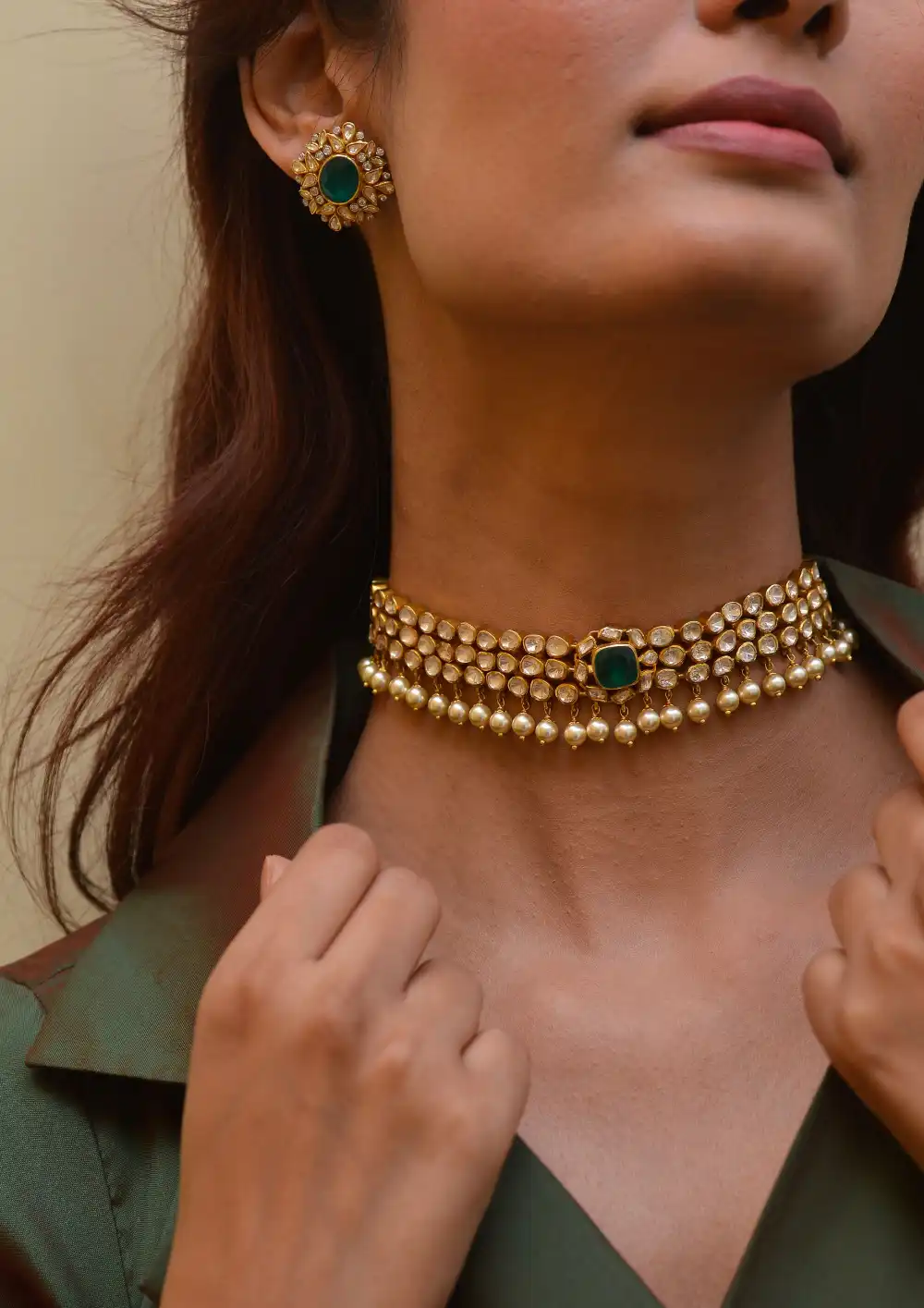
22K gold is made of about 91.6% pure gold, leaving only about 8.4% alloy metals. Its most common fineness mark is 916, but you may also see 22K or 22KT.
That high purity gives 22K its deep, warm yellow color. It also makes the metal more malleable, which lends itself well to traditional engraving and detailed designs. 22K gold is good for high-end jewelry like bangles and traditional necklace sets that are worn occasionally, but not for pieces you’ll wear every day.
Because the alloy contains fewer strengthening metals like copper and zinc than lower-purity golds, 22K gold is more likely to pick up scratches and dents during everyday wear. It also isn’t as common to see this high-purity gold in white or rose colors.
Each gram also contains more pure gold than a gram of 18K (91.6% versus 75%). That gives 22K a higher gold value when you compare pieces that are otherwise identical.
18K vs. 22K gold: Key differences
Here’s a quick summary of the biggest differences between 18K and 22K gold.
Factor18K gold22K goldGold purityAbout 75%About 91.6%Alloy contentAbout 25%About 8.4%Typical hallmarks750, 18K, or 18KT916, 22K, or 22KTAppearanceCan be yellow, white, or roseUsually a deep yellow-orangeDurabilityHarder, better suited to frequent wearSofter, more prone to surface damageValue per gramLowerHigherCommon usesEveryday fine jewelry and gemstone settingsTraditional, bridal, and high-purity jewelry
How purity affects value
22K gold’s high karat purity gives it an advantage when it comes to value. Take two 20-gram gold chains for example: The 18K piece contains about 15 grams of pure gold, while the 22K piece contains roughly 18.3 grams. So, the second piece has a higher melt value because it has more pure gold.
Weight can change the outcome. A heavier 18K solid gold ring may contain more total gold than a lighter 22K ring.
The dollar value also moves with the gold market; the purity of your jewelry stays fixed while the spot price used to value that gold changes over time. That’s why older receipts or valuations aren’t usually a good representation of a piece’s current value.
The same principle runs through other gold purities. 10K gold contains about 41.7% gold, while 14K gold contains about 58.3%. That gold content difference sits at the heart of comparing any two karat purities: The higher the purity, the more the metal is worth.
Still, melt value is only one way to assess jewelry. A piece with an important gemstone, a recognizable maker, or collector appeal may be worth more than the gold content suggests. Gold appraisals from jewelers or platforms like Unvault can give you more information about the complete piece’s value.
How the karat affects wear
The higher alloy content in 18K gold generally gives it more resistance to bending and surface damage. That’s why 18K is common in jewelry with gemstones and engagement and wedding rings. 22K sacrifices some of 18K gold’s hardness for more pure gold per gram, so frequently worn pieces can pick up dents and scratches more easily.
Condition becomes more important when a piece has resale appeal past its melt value. Visible wear may not have a big effect on the amount of recoverable gold, but it might matter to someone who wants to buy and wear or collect the jewelry as it is. The same applies to repairs: Visible mending can bring structural integrity and metal purity into question.
How to identify 18K and 22K gold
When it’s time to figure out a piece’s gold purity, start with the hallmark. On a ring, you’ll usually find it inside the band. A chain may have the mark near its clasp, while a pendant may be stamped on the back or bail.
Those 750 and 916 hallmarks are useful evidence rather than definitive proof. Older stamps can be hard to read, and jewelry from unverified sources can carry inaccurate marks. If the piece has been repaired or parts have been replaced, there’s a chance it now contains a bit of gold at a different karat purity.
Cleaning gold jewelry gently may make a fineness mark easier to read. Avoid aggressive polishing that can scratch the gold (especially if it’s 22K).
Professional testing can give you a more precise answer when authenticity or value matters, like when you want to insure or sell a piece. Jewelers may use acid testing or X-ray fluorescence to determine its metal composition.
Once you’ve confirmed the purity, you can roughly calculate the gold jewelry’s value by combining that information with the piece’s weight and the current gold price. But keep in mind that those calculations only work if the piece is solid gold. There’s more to consider in plated gold pieces or jewelry with gemstones.
Find out what your 18K or 22K gold jewelry is worth
Knowing a gold piece’s karat purity gives you a glimpse into its value. Unvault’s Gold Melt Value Calculator can help you take the next step and estimate the underlying gold value using the piece’s weight and the current market price.
For solid gold jewelry, that melt value gives you a useful baseline of what the recoverable gold is worth. You can get a more realistic sense of its selling price and avoid judging an offer against the original retail price or an old valuation that way.
For jewelry that may be worth more than its metal, you can get a free online valuation by sending us pictures of the complete piece. Upload photos and any details, like its karat purity, and we’ll estimate its value based on the information provided in 60 seconds — no commitment to sell attached.
Get an instant valuation and learn more about your jewelry with Unvault.
Frequently asked questions
Know what your jewelry is worth before you sell.
Monthly gold-price context and hallmark guides from Unvault’s gemologists. No spam, unsubscribe anytime.
Related posts


Ready to see what your jewelry is worth?