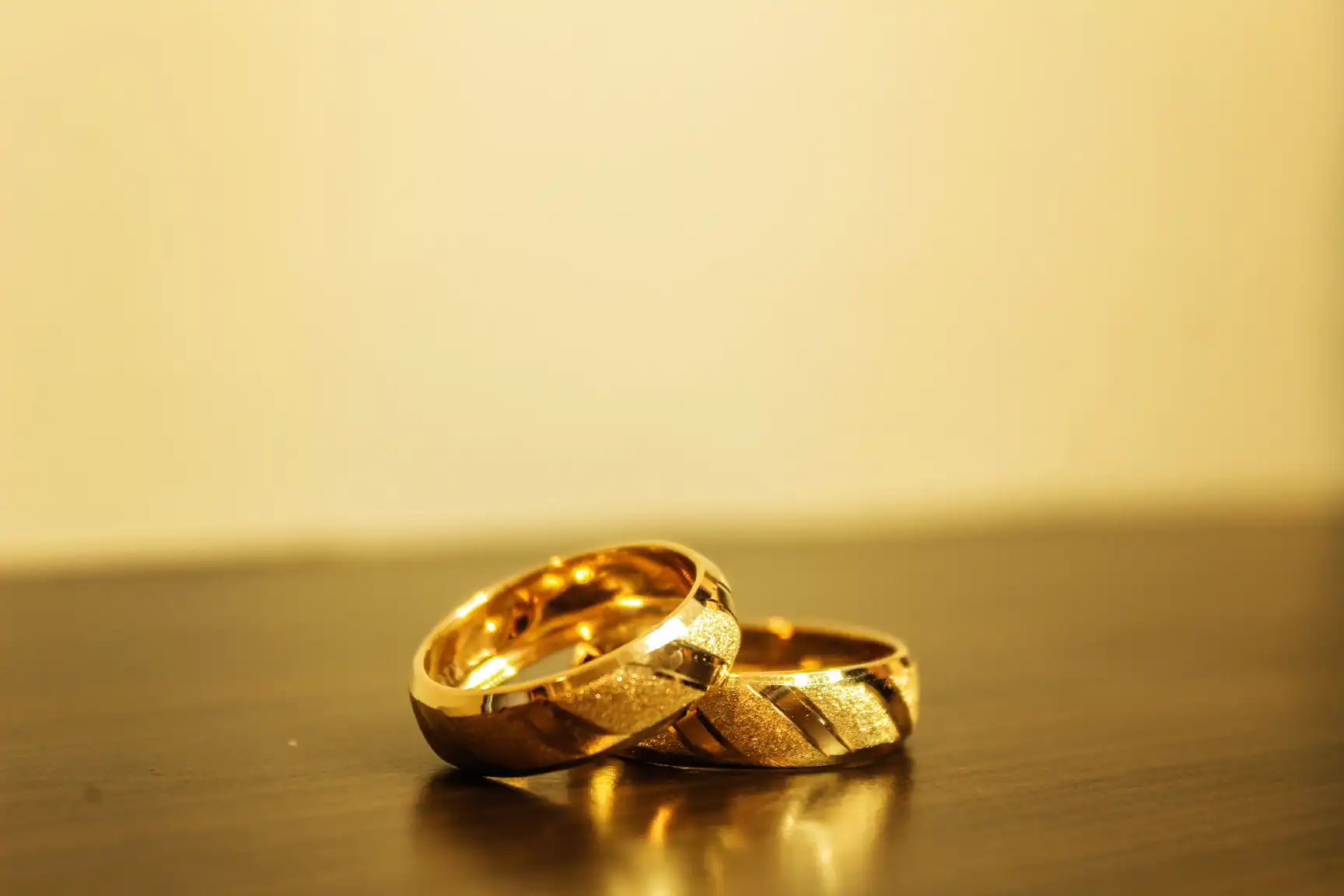
Yellow gold is pure gold mixed with alloy metals, usually copper and silver, which gives it its classic warm color and added strength. Purity is measured in karats: 24K is nearly pure, 18K is 75% gold, and 14K is 58.3%. A higher karat means more gold, a richer yellow, and a higher melt value.
A yellow chain necklace tucked away in a drawer and an inherited yellow metal ring are probably made of gold, but shine alone tells you very little about its properties. When you know a piece of jewelry’s metal composition, you can learn how to properly care for it and what it may be worth when it’s time to sell.
In this guide, we’ll walk through what yellow gold actually is, how to care for it, and what matters when a piece of yellow gold jewelry is appraised.
What’s yellow gold?
Yellow gold is what many people think of when they hear “gold.” It’s any kind of gold with a yellow color, usually combined with other metals (called alloys) that make it stronger and easier to wear while preserving its characteristic yellow color.
The only difference between gold and yellow gold is that gold is the metal, and yellow gold usually refers to a jewelry alloy that retains its color.
Gold-colored jewelry may only have a surface layer of gold over another metal (called gold plating). That distinction matters when you want to find out how much gold is in a piece, because the total weight of a plated item isn’t the same as the amount of gold it actually contains, which can change your at-home value calculations.
What’s yellow gold made of?
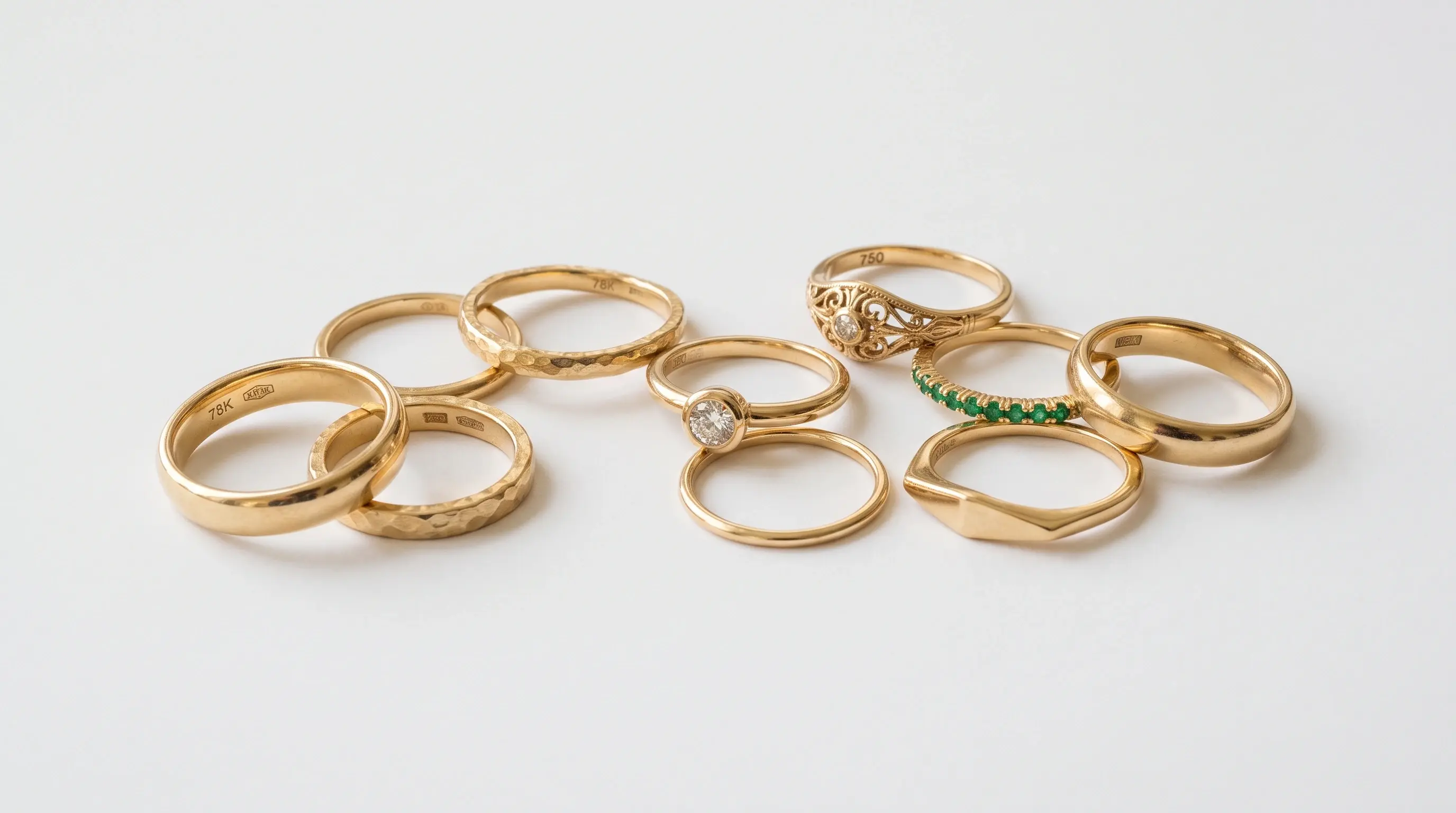
Typically, yellow gold jewelry contains a gold alloy made by mixing pure gold with copper, silver, and sometimes zinc.
Gold’s color gets cooler and paler as more of those alloy metals are added. Different metal combinations produce white gold, which often contains palladium or nickel, and rose gold, which gets its color from a higher proportion of copper.
Adding other metals changes gold’s color and makes the alloy more resistant to daily wear, but there’s no standardized alloy used for every piece. The proportions vary depending on the manufacturer.
Pros and cons of yellow gold jewelry
Yellow gold is a classic pick in jewelry for a reason. It’s highly wearable, durable, and very common to find in costume jewelry and fine boutique pieces alike.
Here are the biggest reasons you might want yellow gold jewelry and a few trade-offs worth keeping in mind.
Pros
- Color is part of the gold itself: Yellow gold doesn’t depend on plating for its color, so it will stay yellow over time. This isn’t true for every kind of gold — white gold gets its color from rhodium plating, for example, which often needs to be refinished every few years as the rhodium layer wears away.
- Easy to style: Its long history in jewelry means yellow gold is a classic, fashionable choice. A simple yellow gold chain can look stylish when paired with an antique pendant or worn on its own.
- Repair options: Gold is a common and workable metal. A jeweler can resize and repair a gold piece fairly easily, although gemstones and its construction may limit what repairs are practical.
- Value even when damaged: A broken chain still contains gold. Before selling it at melt value, or what the gold alone is worth, consider other elements that could make it worth keeping intact.
Cons
- Wear and deformation: Higher-karat gold tends to be softer and more prone to damage from daily wear. Thickness and construction also affect how well a piece holds up over time. A thin band can bend, and polished surfaces tend to show scratches. But thicker pieces require more gold, making them more expensive.
- Possible sensitivity to alloy metals: Yellow gold isn’t always hypoallergenic. While copper and silver are the most common additions, exact composition varies. If the alloy contains nickel, for example, it can trigger an itchy rash (contact dermatitis) or inflammation for people with nickel sensitivities.
Durability and care of yellow gold jewelry
It’s usually simple to maintain and clean gold jewelry on your own. Pure gold resists tarnish, but it’s very soft, so it has to be handled delicately. Most pieces contain blends with more alloy, like 14K and 18K, which are stronger for regular wear.
Copper and silver in gold’s alloys can react with the chemicals in cleaning products, which can damage or discolor the entire piece. If your gold jewelry also has gemstones, they may need special care you can’t provide at home.
Here are some tips to help you care for your yellow gold jewelry:
- Take it off before certain activities: Remove all jewelry before swimming, cleaning, or doing tasks that could bend or scratch the metal. Common cleaning products can damage gold alloys, and hitting or rubbing it too hard (even on something like the rough side of a sponge) can scratch the piece.
- Clean it gently: Wash jewelry without gemstones in warm water with mild dish soap. Rinse it in a bowl or container and dry it thoroughly with a soft, lint-free cloth. If it has a stone you haven’t identified or don’t know if the metal has been treated or altered, ask a jeweler before trying to clean it yourself.
- Store each piece separately: Separating gold pieces in soft pouches or individual compartments in a jewelry box can reduce potential damage from jewelry bumping together. Avoid leaving chains tangled with smaller pieces to prevent long-term damage.
- Check for signs of wear: Loose clasps and worn prongs need attention ASAP. Resizing and polishing should be assessed based on the needs of the individual piece.
How much is yellow gold worth?
The metal’s value depends on karat purity, weight, and the current price of gold. What you originally paid at a store doesn’t determine the resale offer, which is usually lower because retail costs and margins aren’t fully recovered.
Karat purity
It helps to separate color from purity when comparing yellow gold versus gold. Karat purity tells us how much gold is in an alloy mix, and the karat scale divides the alloy into 24 parts. For example, in 18K gold, 18 of those 24 parts are pure gold (or 75%).
Karat purity also reveals how much gold per ounce is in a solid gold piece of jewelry, which can give you a starting point for its value.
The table below shows common purity levels and their fineness marks.
Karat purityApproximate gold contentCommon hallmark10K41.7%41714K58.3%58318K75%75022K91.7%91624K99.9%999
Metal weight
Gemstones, steel springs, and other non-gold components can make it harder to tell how much gold your jewelry actually has. A piece’s apparent size can also be misleading, especially when the jewelry is hollow or plated.
Karat purity also impacts how much gold is in your jewelry. A 10-gram chain made entirely from 18K gold contains 7.5 grams of pure gold.
Current gold price
Gold prices fluctuate often, so what a piece was worth six weeks ago may not be what it’s worth today. To calculate the gold’s value in your jewelry, multiply the metal weight in grams by the karat purity percentage, then by the current price of pure gold per gram. Make sure to note the date of the calculation so you can compare estimates over time, too.
Characteristics of the piece
Brand, gemstones, finish, condition, and demand can all add value beyond the metal itself. A missing diamond, for example, may make an otherwise complete piece less appealing to buyers and more difficult to sell, even though the amount of gold hasn’t changed.
An appraisal calculation is only a reference point for the value of the metal content. A real offer may come in below that amount because of testing and refining costs and the buyer’s margin. Always ask for a breakdown to compare offers more clearly.
Find out what your yellow gold jewelry is worth with Unvault
Once you know the purity and weight, you can estimate your yellow gold jewelry’s metal value using Unvault’s gold calculator. To evaluate the piece as a whole, upload a few photos and any other details through Unvault’s online jewelry appraisal platform. The initial estimate is free, takes about 60 seconds, and comes with no obligation to sell.
Photos are enough to start a valuation estimate, but the exact composition can only be confirmed through physical testing. You can mail your piece in to Unvault for free, and we’ll record the process so you know exactly how we got our numbers.
Get an appraisal from Unvault and figure out your best next steps.
Frequently asked questions
Know what your jewelry is worth before you sell.
Monthly gold-price context and hallmark guides from Unvault’s gemologists. No spam, unsubscribe anytime.
Related posts


Ready to see what your jewelry is worth?