
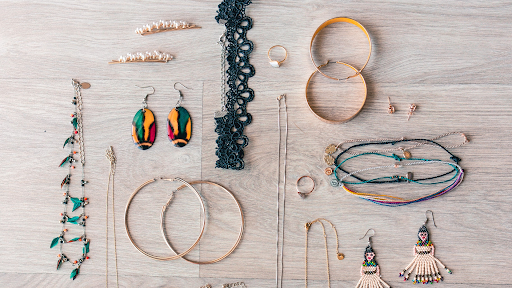
Why Proper Jewelry Storage Matters
Jewelry can become damaged even when it is not being worn. Pieces may rub against each other, chains can knot, and humidity may cause tarnish or discoloration.
Proper storage protects the appearance and condition of your jewelry. It also helps you notice loose stones, weak clasps, or damaged settings early.
Learning how to store delicate jewelry safely is especially important for inherited, valuable, or sentimental items.
Clean Jewelry Before Storage
Always clean and dry jewelry before putting it away. Sweat, makeup, perfume, lotion, and skin oils can remain on the surface after wear.
Use a soft, lint-free cloth to gently wipe each piece. Avoid harsh cleaners unless they are approved for the metal or gemstone.
Pearls, opals, emeralds, antique jewelry, and glued settings may be damaged by steam, ultrasonic cleaners, or strong chemicals. When uncertain, ask a jeweler.
Allow every piece to dry completely before storage. Damp jewelry is more likely to tarnish or discolor.
Store Each Piece Separately
Separation is one of the most important rules for storing delicate jewelry safely. Hard gemstones can scratch softer stones and metals, while chains can wrap around clasps, rings, and earrings.
Place each item in its own compartment, pouch, or lined section. Avoid keeping an entire collection in one bag or drawer.
Useful storage options include:
- Individual fabric pouches
- Divided jewelry-box compartments
- Soft-lined ring slots
- Separate necklace hooks
- Small boxes for valuable items
- Acid-free tissue for certain antiques
Do not overfill compartments. Each piece should have enough space to remain flat or supported without pressure.
Use A Soft-Lined Jewelry Box
A soft-lined jewelry box protects pieces from dust, sunlight, movement, and impact. Velvet, suede-like fabric, and other smooth linings can reduce friction.
Choose a box with separate sections for rings, earrings, bracelets, and necklaces. Make sure the interior is clean and free from rough edges or loose fibers.
Original jewelry boxes are also useful when they provide secure support. Keeping original packaging may help with valuation or resale.
Prevent Necklaces From Tangling
Store necklaces separately and keep each chain extended. Fasten the clasp before storage so the chain is less likely to knot.
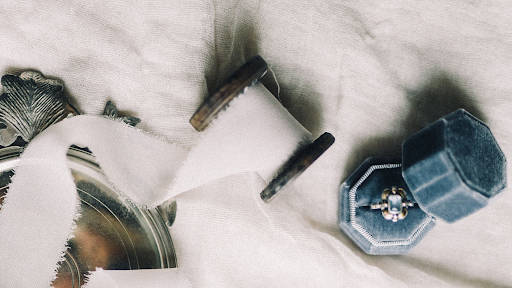
Use necklace hooks, long compartments, or individual pouches. Heavy pendants should not hang from thin chains for long periods because the weight may weaken them.
For travel, place necklaces in a structured jewelry case. A thin chain can also be threaded through a clean drinking straw before closing the clasp.
Protect Rings, Earrings, And Bracelets
Place rings in padded slots so they remain separated. Rings with raised stones should not be stacked because the settings may scratch nearby pieces.
Store earrings in pairs using a divided tray, small compartment, or earring card. Secure the backs without pressing them tightly against delicate posts.
Lay thin bracelets flat or place them around a soft bracelet roll. Separate rigid bangles and avoid leaving heavy charms hanging from fragile links.
Control Moisture And Heat
A dry, stable environment is essential for delicate jewelry storage. Bathrooms are unsuitable because showers create frequent changes in heat and humidity.
Keep jewelry in a bedroom drawer, closet, secure cabinet, or safe. The area should be away from direct sunlight, radiators, vents, and other heat sources.
Anti-tarnish strips may help protect silver jewelry. Silica gel packets can reduce moisture, but they should not touch the jewelry directly.
Keep Jewelry Away From Chemicals
Perfume, hairspray, lotion, household cleaners, and chlorine can damage jewelry surfaces. Apply personal care products before putting on jewelry and allow them to dry first.
Wipe each piece after wearing it. Do not store jewelry beside cosmetics, perfume bottles, medicines, or cleaning products.
Remove delicate jewelry before swimming, showering, exercising, or cleaning.
Give Pearls And Soft Gemstones Extra Care
Pearls can be scratched by metal and harder stones. Store them flat in a soft pouch rather than hanging them, which may stretch the string.
Opals, turquoise, amber, coral, and other soft or porous materials should be kept away from chemicals, sunlight, and excessive heat.
Avoid sealing pearls in airtight storage for very long periods. If the gemstone type is unknown, ask a jeweler before cleaning or storing it.
Store Valuable Jewelry Securely
Fine jewelry needs protection from damage and theft. Keep valuable pieces in a secure, discreet place.
A home safe can be useful, but jewelry should still be individually wrapped or boxed inside it. The safe must remain dry.
Store photographs, receipts, grading reports, and appraisal documents separately. These records may help with insurance, valuation, or resale.
If a piece no longer suits your needs, you may decide to sell jewelry online after reviewing its condition and market value.
Check Stored Jewelry Regularly
Inspect stored jewelry every few months. Look for loose stones, weak clasps, bent links, worn strings, tarnish, or damaged settings.
Do not wear jewelry that appears unstable. Place it in a separate container and take it to a professional for inspection or repair.
Frequently Asked Questions
What Is The Safest Way To Store Delicate Jewelry?
Clean and dry each piece, store it separately in a soft-lined compartment, and keep it in a cool, dry, secure location.
Can Jewelry Be Stored In Plastic Bags?
Some metal jewelry can be stored in clean, dry bags for short periods. Pearls, porous gemstones, antique pieces, and delicate finishes may need fabric pouches.
Should Necklaces Be Hung Or Laid Flat?
Light necklaces can be hung separately. Necklaces with heavy pendants or fragile chains are usually safer when stored flat.
Is It Safe To Keep Jewelry In The Bathroom?
No. Bathrooms often have high humidity and temperature changes that can encourage tarnish and damage.
Know what your jewelry is worth before you sell.
Monthly gold-price context and hallmark guides from Unvault’s gemologists. No spam, unsubscribe anytime.
Related posts
Ready to see what your jewelry is worth?