

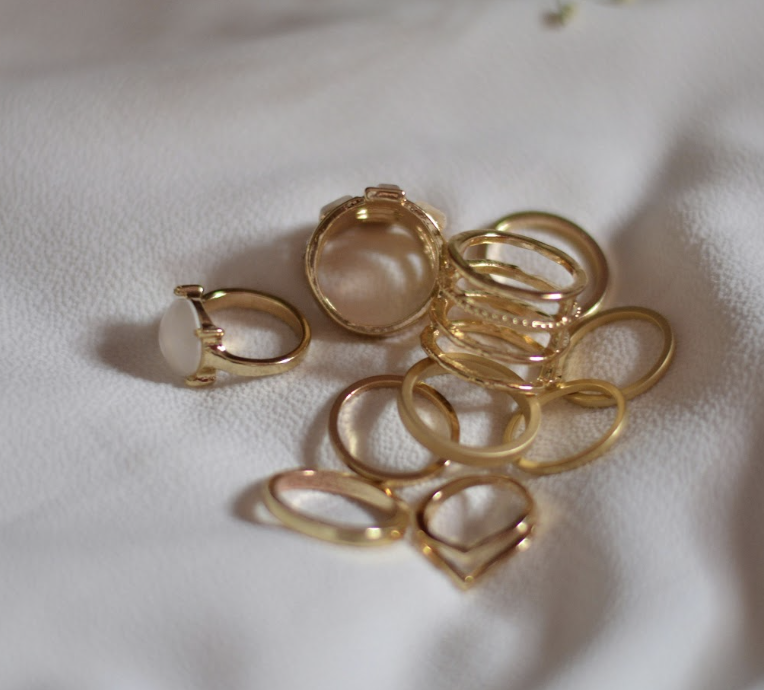
Gold has been valued for thousands of years partly because it doesn't rust, corrode, or break down like other metals. But with 14K gold, the most common gold alloy used in jewelry today, the answer to "does it tarnish?" is a little more nuanced than a flat yes or no.
The short answer: 14K gold can tarnish slightly over time, but far less than lower-karat gold and far less than most other metals. With normal care, it holds up well for decades.
Here's the full picture.
Why Pure Gold Doesn't Tarnish, But Alloys Can
Pure 24K gold is chemically inert. It doesn't react with oxygen, moisture, or most chemicals, which is why gold artifacts from ancient Egypt still look good thousands of years later.
But jewelry-grade gold is never pure 24K. It's always an alloy, a mix of gold and other metals, to make it harder and more durable for everyday wear. Those added metals, typically silver, copper, zinc, or nickel, are the ones that can react with the environment and cause tarnish.
In 14K gold, the alloy is 58.5% pure gold and 41.5% other metals. The more non-gold metal present, the more potential for tarnish.
True Tarnish vs Surface Buildup: What's the Difference?
This is a distinction most people don't know about, and it matters for how you treat the problem.
True tarnish is a chemical change on the metal's surface — copper oxidizing to form a dark patina, or silver reacting with sulfur compounds in the air to form silver sulfide. This creates a darkened or discolored layer that bonds to the metal.
Surface buildup is different. It's a physical layer of oils, lotions, sweat, and residue that accumulates on the jewelry's surface and dulls its appearance. It looks like tarnish but it's not a chemical reaction in the metal itself.
The good news: both are reversible with the right cleaning approach, and most of what people think is "tarnish" on 14K gold is actually surface buildup. Genuine tarnish on 14K is less common and develops more slowly.
Will 14K Gold Tarnish?
It can, yes, but it tends to be minimal and slow under normal conditions. Here's what actually causes it:
Sweat and Skin Chemistry
Your skin's natural oils and sweat contain acids that, over time, can react with copper and silver in the 14K alloy. This sometimes produces a slight darkening on the metal's surface, or even a faint greenish or blackish mark on skin. It's more common with high-copper alloys like rose gold.
Household Chemicals
Cleaning products, chlorine bleach, and harsh soaps can speed up surface oxidation. If you regularly clean the house without taking off your jewelry, the alloy metals may tarnish faster than they otherwise would.
Perfumes and Lotions
Spraying perfume directly onto gold or applying lotion while wearing it introduces chemicals that interact with alloy metals. Over time, this can dull the finish.
Air Exposure
Ordinary air contains trace sulfur compounds, especially in urban environments, that react with silver in the alloy to form silver sulfide. That's the blackish coating most people recognize as tarnish.
What Does Tarnished 14K Gold Actually Look Like?
Knowing what you're looking at helps you respond appropriately. If you are looking at some point selling 14k gold, The visual signs of tarnish on 14K gold typically progress in stages:

- Dullness or loss of shine: the first sign, often mistaken for just needing a clean. The surface looks flat or matte rather than bright.
- Slight darkening: a yellower or brownish tint starts to develop, particularly in crevices and areas that don't get rubbed clean by wear.
- Greenish or blackish edges: in more advanced cases, particularly with high-copper alloys or pieces exposed to heavy moisture and chemicals, you can see green or dark marks at edges and settings.
- Green or black marks on skin: this is the alloy metals reacting with your skin's chemistry, not the gold itself. It looks alarming but doesn't damage the jewelry.
If what you're seeing is uniform dullness rather than discoloration, it's almost certainly surface buildup, not real tarnish, and a simple clean will sort it.
Will 14K Gold Tarnish in Water?
Occasional water exposure won't tarnish 14K gold. Rinsing your hands or wearing it in the shower now and then is generally fine. That said:
- Chlorinated pool water is a real concern. Chlorine attacks gold alloys and can cause surface damage over time.
- Saltwater from the ocean can also corrode alloy metals.
- Hot tubs and spas combine heat with chemicals, which speeds the effect up considerably.
A good rule of thumb: take your 14K gold off before swimming in pools, the ocean, or hot tubs. For everyday water like handwashing or showering, you're generally fine, though drying it off properly afterward is a smart habit.
How to Remove Tarnish from 14K Gold
If your piece has developed a dull or slightly discolored surface, it's usually reversible:
- Mild soap and warm water: soak a few minutes, gently scrub with a soft toothbrush, rinse, and dry
- Baking soda paste: mix with water, apply gently with a soft cloth, rinse thoroughly
- Commercial gold cleaner: products made specifically for gold jewelry. Follow the instructions.
- Professional polishing: a jeweler can buff away surface tarnish and restore original luster, useful for heavily tarnished pieces
Avoid ultrasonic cleaners if the piece has stones, as they can loosen settings. And skip abrasives that can scratch the metal's surface.
How to Keep 14K Gold from Tarnishing
Most of it comes down to managing what the piece is exposed to:
- Take it off before swimming in pools, hot tubs, or the ocean
- Put jewelry on last, after lotion, perfume, and hairspray
- Clean it regularly with warm water, mild dish soap, and a soft toothbrush. Pat dry thoroughly.
- Store it properly in a dry, airtight container or anti-tarnish pouch, kept separate from other metals
- Avoid bleach, acetone, and other strong cleaning products
Does Tarnish Affect Gold's Value?
For melt value purposes, surface tarnish has zero effect. When gold is melted and refined, any tarnished alloy metals get separated out, and you get paid based purely on the gold content regardless of how the outside looks.
For resale or secondhand value, light surface tarnish is usually not a big deal either. Heavy tarnish combined with scratches or deformation can affect the condition premium a piece might otherwise earn, but it's rarely disqualifying.
Whether your gold is pristine or shows some wear, Unvault evaluates it fairly. Sell 14K Gold with Unvault for a transparent offer based on actual gold content, not cosmetics. Or explore all your options at Sell Gold.
The Bottom Line…
14K gold can tarnish, but it's among the more durable everyday gold options out there. With sensible care, keeping it away from pools, harsh chemicals, and storing it properly, your 14K jewelry should stay looking good for many years without much fuss.
If you have 14K gold you're thinking about selling, tarnish alone shouldn't put you off. Unvault's evaluators assess gold on its merits.
Last updated: June 2026. Tarnish behavior varies by alloy composition, individual body chemistry, and environment.
Frequently asked questions
Know what your jewelry is worth before you sell.
Monthly gold-price context and hallmark guides from Unvault’s gemologists. No spam, unsubscribe anytime.
Related posts
.webp)


Ready to see what your jewelry is worth?