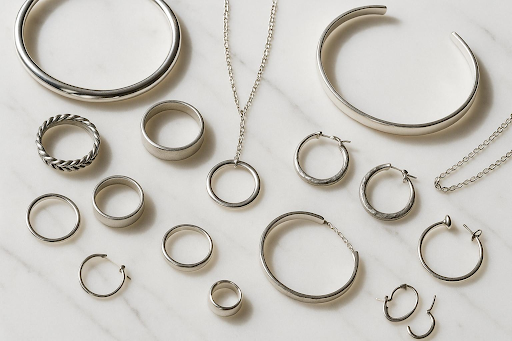
A 925 stamp on jewelry means sterling silver, an alloy of 92.5% pure silver and 7.5% strengthening metals, usually copper. It is a good sign, but not proof that a piece is genuine. Plated or fake items can carry the same mark, so valuable pieces may need testing.
What does a 925 mark on jewelry indicate? In most cases, it means the item is made of sterling silver, which consists of 92.5% pure silver and 7.5% strengthening metals, commonly copper.
The marking is often found inside a ring, beside a clasp, on the back of a pendant, or along an earring post. Still, a 925 stamp by itself does not confirm that the jewelry is genuine.
What Does the 925 Stamp Represent?
Pure silver is soft and can be bent, scratched, or lose its shape. Jewelry makers mix it with another metal to withstand regular wear.
Sterling silver normally contains:
- 92.5% pure silver
- 7.5% copper, zinc, or another strengthening metal
The number means 925 out of every 1,000 parts are silver. The remaining metal improves durability while preserving silver’s bright appearance.
Is 925 the Same as Sterling Silver?
Yes. In most cases, 925 silver and sterling silver mean the same thing. Both describe a metal alloy containing at least 92.5% pure silver.
Other common marks include:
- .925
- S925
- Sterling
- Sterling Silver
- Ster
- SS
Marks vary by country, maker, and age. Older or handmade pieces may use other symbols or have no visible stamp.
Where Is the 925 Mark Usually Found?
The stamp is usually placed in a discreet area.
Common locations include:
- Inside a ring band
- Near a necklace or bracelet clasp
- On the back of a pendant
- On an earring post or backing
- Under a decorative setting
- On a small chain tag
Because the hallmark can be very small, faded, or obscured by tarnish, a magnifying glass may help you find it. However, the absence of a stamp does not necessarily mean that an antique or handcrafted piece is not genuine.
Does a 925 Stamp Prove the Jewelry Is Real?
No. A 925 stamp is a positive sign, but it is not a complete guarantee. Fake, plated, or low-quality items may carry false markings.
Genuine jewelry should bear the hallmark and exhibit the expected qualities of sterling silver. Valuable, branded, antique, or gemstone-set pieces may require professional testing.
An online jewelry appraisal can provide an estimated value by reviewing photos, hallmarks, weight, condition, brand details, and any available documentation.
Why Are Other Metals Added to Silver?
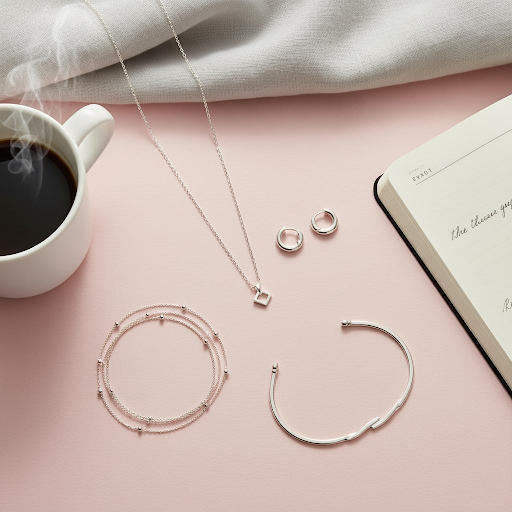
Pure silver is too soft for many designs. Jewelry must resist friction, pressure, and movement.
Copper commonly improves durability without greatly changing the color. It can contribute to tarnish, a surface reaction that does not prove jewelry is fake.
What Does 925 Mean on Gold-Colored Jewelry?
A 925 stamp on gold-colored jewelry usually means the base is sterling silver covered with a layer of gold.
You may see:
- 925 GP, meaning gold-plated sterling silver
- 925 GEP, meaning gold-electroplated sterling silver
- 925 RGP, meaning rolled-gold plate over sterling silver
Gold vermeil also uses a sterling silver base covered with gold. The layer’s thickness and purity vary.
Gold-colored 925 jewelry is generally not solid gold. Its value depends on the silver base, brand, condition, design, and gemstones.
How Can You Check If 925 Jewelry Is Real?
Home checks provide clues but are not conclusive.
Check the Mark
Look for 925, .925, S925, or a sterling mark. Also check for a maker’s symbol, country mark, or brand name.
Use a Magnet
Silver is not strongly magnetic. Strong attraction may indicate another metal, although clasps can contain magnetic parts.
Look for Peeling
If the silver-colored surface flakes and another color appears beneath, the item may be plated rather than solid sterling silver.
Check for Tarnish
Real sterling silver can darken over time. A silver-polishing cloth may remove tarnish and leave dark residue on the cloth.
Request Professional Testing
A jeweler can use acid, electronic, or X-ray fluorescence testing for greater accuracy. Testing is especially useful when a piece is inherited, heavily worn, valuable, or being offered for resale.
Is 925 Silver Worth Money?
Yes, sterling silver has value, although it is usually worth less than gold, platinum, or palladium of similar weight.
Its value may depend on:
- Total weight
- Current silver prices
- Brand or designer
- Age and rarity
- Condition
- Craftsmanship
- Gemstones
- Market demand
A branded bracelet may sell for more than its metal value. A broken, unbranded chain may be valued mainly for its silver content.
An online jewelry appraisal can help identify designer, antique, gemstone, resale, or precious-metal value.
Does Tarnish Mean 925 Jewelry Is Fake?
No. Tarnish is common on genuine sterling silver. It can develop when silver reacts with air, moisture, cosmetics, chemicals, or sulfur compounds.
Light tarnish often comes off with a soft polishing cloth. Avoid harsh cleaners on pearls, opals, turquoise, enamel, or delicate finishes.
Peeling or exposed metal may suggest plating. Skin discoloration is unreliable because moisture, lotion, and body chemistry can affect the reaction.
How Should You Care for 925 Jewelry?
Proper care helps sterling silver last longer.
- Store pieces separately in a dry container.
- Use anti-tarnish strips or pouches.
- Remove jewelry before swimming or cleaning.
- Avoid direct contact with perfume and lotion.
- Wipe jewelry after wearing it.
- Use a soft polishing cloth for light tarnish.
- Ask a jeweler before cleaning valuable gemstones.
Avoid vigorous polishing on silver-plated or oxidized jewelry, as it can wear away or damage the surface finish.
For more on how pieces like this are evaluated, see what we value, or browse our jewelry drawer index for related guides. If you're storing silver between appraisals, here's how to store delicate jewelry safely, and check our FAQs if you have more questions.
Frequently asked questions
Know what your jewelry is worth before you sell.
Monthly gold-price context and hallmark guides from Unvault’s gemologists. No spam, unsubscribe anytime.
Related posts
Ready to see what your jewelry is worth?