
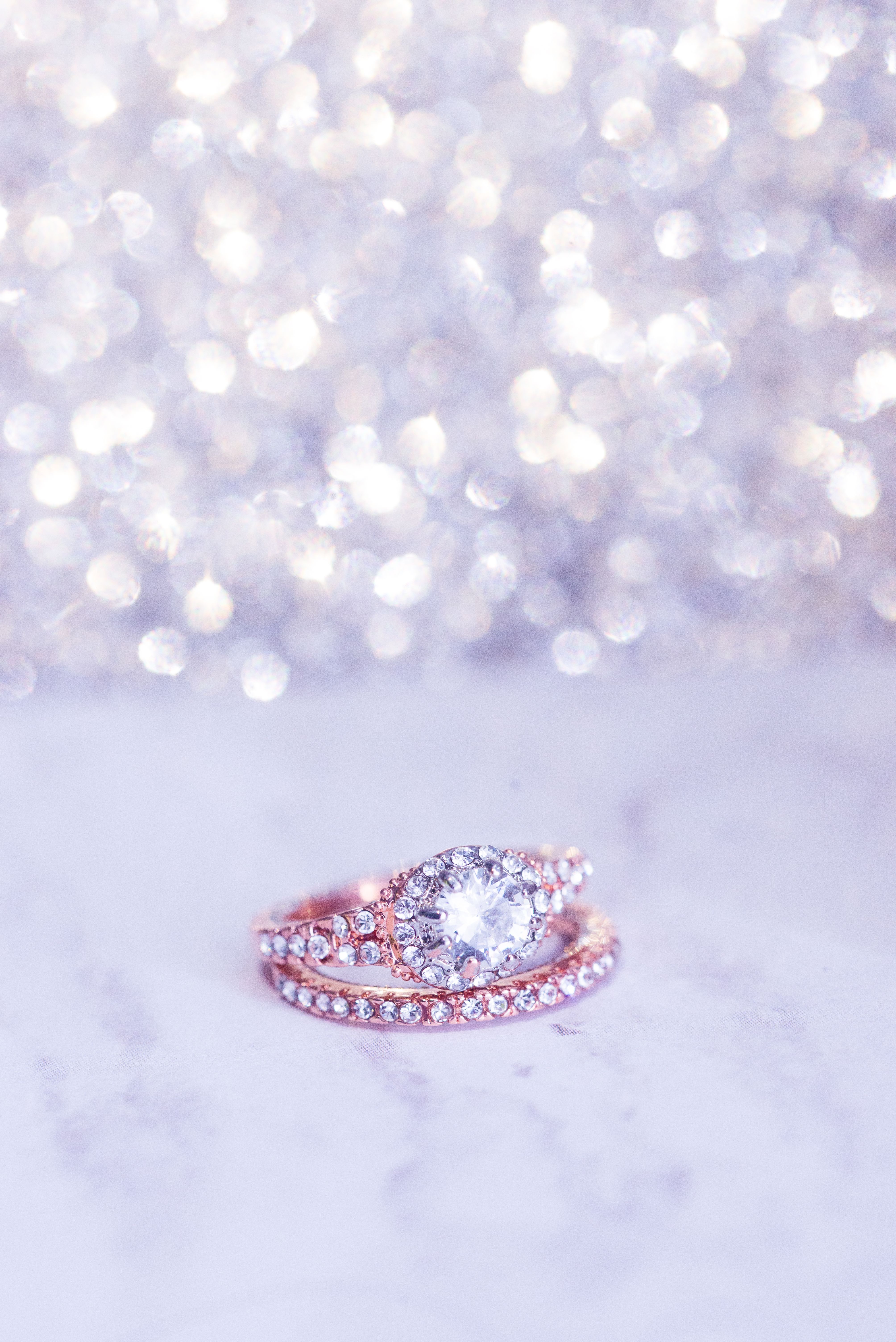
Diamonds are valuable. But selling a diamond ring is not the same as selling gold, diamonds don't have a simple spot price, and who you sell to matters enormously.
This guide explains exactly how diamond resale pricing works, where to go for the best offer, and the three mistakes that consistently cost sellers money.
The Truth About Diamond Resale Value
When you sell a diamond ring, you're entering the pre-owned market and the pre-owned diamond market prices stones at wholesale, not retail.
A diamond that cost $4,000 at retail was probably bought by the retailer for $1,800–$2,200. When you sell it back into that same chain, the buyer needs margin — so they offer something closer to dealer cost, not what you paid.
This isn't a scam. It's how every luxury goods resale market works: cars, art, handbags. The markup you paid when buying is real; the resale discount is also real.
What this means practically: Expect 30–60% of retail when selling to a professional buyer. Auction platforms can occasionally get closer to retail on exceptional stones, but you'll pay 10–18% in commission and wait weeks for the result.
What Determines Your Diamond's Resale Value?
Four factors drive the price, in rough order of importance:
1. Carat Weight
Weight is the single biggest driver. Larger stones command disproportionately higher prices. A 2ct diamond isn't worth twice a 1ct — it's worth 3–4x more, because large stones are rare.
The magic thresholds: 0.5ct, 1.0ct, 1.5ct, 2.0ct. Stones just above these weights sell for a premium. Stones just below (0.48ct, 0.97ct) sell for noticeably less.
2. GIA or AGS Certification
A certified diamond is worth 20–40% more than an identical stone without a certificate. Period. Buyers pay for confidence, and a GIA cert provides it.
If your stone isn't certified, you can still sell it — a knowledgeable buyer like Unvault evaluates the stone directly. For high-quality uncertified stones, getting a GIA cert first ($50–$150) can be worth the investment.
3. Cut Quality
Cut is what makes a diamond brilliant. An excellent-cut G VS2 is worth more than a poor-cut F VS1 of the same weight. Most dealers prioritize cut, and buyers who know diamonds certainly do.
For round brilliants: Excellent or Ideal cut commands a significant premium.
4. Color and Clarity
Color grades D–G (colorless to near-colorless) are most desirable. H–J is "near colorless" and still valuable but at a discount.
Clarity grades IF–VS2 are the sweet spot — anything better is rarely visible to the eye and doesn't pay back at resale. SI1–SI2 can be fine if the inclusions aren't visible face-up.
Where to Sell a Diamond Ring: Ranked
1. Unvault — Best Overall
Unvault buys diamond rings outright, with offers based on real market data for your specific stone's specs. Every category of diamond ring — certified or not, round or fancy shape, solitaire or halo, any karat of gold or platinum setting — gets evaluated and priced.
How it works:
- Submit photos and any certificate details online — free
- Receive an offer within 24 hours, with the diamond and metal valued separately
- Ship free with a fully insured prepaid label
- Get paid within 1 business day of receipt
Best for: All diamond rings, all shapes, all settings. Particularly strong if you want a fast, no-commission result with full transparency on how the offer was calculated.
→ Get a free offer for your diamond ring
2. Worthy
Worthy's auction platform connects sellers with pre-screened wholesale diamond buyers.
Requirements:
- Your diamond is GIA or AGS certified
- It's 0.5ct or larger
- The cut quality is good to excellent
- You can wait 3–6 weeks
Commission: 10–18% of the winning bid.
Why it doesn't work: Fancy shapes often underperform at Worthy's auction. Lower-clarity or uncertified stones also tend to fall short and it doesn't value the metal setting separately. In these cases, Unvault's direct offer is the cleaner option — no commission, no wait.
3. eBay — Best for Vintage or Signed Estate Rings
For antique cuts, signed maker pieces, or unusual vintage designs, eBay's massive audience can attract collector buyers willing to pay above what any dealer would offer. That's its genuine strength.
For standard diamond rings, it's a harder sell. Buyers can't physically examine the stone, trust is difficult to establish as a private seller, fraud on high-value items is a real risk, and eBay takes 13.25% in fees.
Best for: Art deco pieces, old mine cuts, signed estate jewelry — categories where Unvault or Worthy are also worth checking first, but where collector demand on eBay can occasionally push prices higher.
4. Local Jewelers and Estate Buyers
Quick but rarely competitive. A local buyer who plans to resell needs a substantial margin: 40–60% of what they'll ultimately sell it for. This often means 25–40% of retail.
One exception: A local estate specialist who specializes in your era or style may pay well above average for something that fits their inventory perfectly. This is inconsistent but real.
5. Pawn Shops — Last Resort
Pawnbrokers typically can't grade diamonds accurately. They protect themselves by pricing conservatively — usually 20–40% of what a diamond dealer would offer.
Use a pawn shop only if you need cash today and have exhausted other options.
The Three Mistakes That Cost Sellers Money
Mistake 1: Selling to the First Buyer Without Comparison
This is the most common and most expensive mistake. The spread between offers on a single diamond can be $500–$2,000+, depending on the stone.
Get at least two offers before committing. Starting with a free appraisal from Unvault gives you a real, itemized number to compare others against — and since it's free with no obligation, there's no reason not to.
Mistake 2: Treating the Insurance Appraisal as Market Value
An insurance appraisal reflects replacement cost — what it would cost to buy a similar diamond at retail today. This number is typically 3–5x resale value.
If your insurance appraisal says $8,000 and a buyer offers $2,500, that's not a low offer — that's realistic. The insurance number is not what the ring is worth in the resale market.
Mistake 3: Not Knowing Whether You Have a GIA Cert
If your diamond came with a GIA certificate and you've misplaced it, you can look it up at gia.edu using the laser inscription on the girdle of the stone. GIA maintains a database. Recovering a lost cert or confirming a stone's specs takes minutes and can increase your offer significantly.
How to Prepare Selling Your Diamond Ring for Sale
Do:
- Find the GIA or AGS certificate (or look it up online)
- Photograph the ring clearly in natural light from multiple angles
- Note the inscription number on the girdle if you can see it
- Keep the original box and any receipts — they add value
Don't:
- Clean the ring with harsh chemicals before selling
- Remove stones from settings yourself
- Accept an offer based only on carat weight without accounting for cut/color/clarity
- Ship without full insurance
Sample Offer Ranges by Stone Quality
| Stone | Rough Retail | Realistic Resale Offer |
|---|---|---|
| 0.5ct H SI1 round, GIA cert | $1,500–$2,000 | $500–$900 |
| 1.0ct G VS2 round, GIA cert | $5,000–$7,000 | $2,000–$3,500 |
| 1.5ct F VS1 round, GIA cert | $12,000–$16,000 | $5,000–$8,000 |
| 2.0ct G SI1 round, GIA cert | $20,000–$28,000 | $8,000–$14,000 |
| 1.0ct oval, G VS2, GIA cert | $4,000–$6,000 | $1,500–$3,000 |
| 1.0ct cushion, G VS2, uncert | $3,000–$5,000 | $800–$2,000 |
Ranges are approximate and depend on current diamond market pricing.
FAQs
How much is a diamond ring worth when you sell it?
Typically 30–60% of the original retail price, depending on the stone's quality, certification, and where you sell. The metal setting adds additional value (usually $100–$500 for a standard gold solitaire). Feel free to check out the online jewelry appraisal page.
Where can I sell my diamond ring quickly?
Unvault offers within 24 hours and pays within 1 business day of receipt — so the entire process can be completed in 3–5 days. Local buyers are faster but typically pay significantly less. For a broader look at selling diamonds outside of a ring setting, including loose stones, earrings, tennis bracelets — see our full guide!
Do I need a GIA certificate to sell?
No. You'll get more with one, but Unvault buys certified and uncertified diamonds. If your stone is high quality and uncertified, getting a GIA cert first ($50–$150) can be a worthwhile investment before selling.
What if my diamond is in a very old or unusual setting?
Unvault values the stone and setting separately. Estate and antique settings with notable provenance or maker marks can command a premium — flag any hallmarks or signatures when submitting photos.
Can I sell just the diamond and keep the setting?
Yes — Unvault can buy just the stone if you prefer to keep the setting. Just specify this when submitting your appraisal request.
Does the shape of the diamond affect resale value?
Yes. Round brilliants have the best liquidity and typically command the strongest resale prices. Fancy shapes (oval, pear, cushion, princess) are market-dependent — popular right now (ovals especially) but more variable. Unvault buys all shapes.
The Bottom Line
Selling a diamond ring comes down to knowing your stone's specs, getting a real itemized offer, and not giving away 15% in commission to an auction platform that may not even outperform a direct sale.
Get a free appraisal from Unvault
Know what your jewelry is worth before you sell.
Monthly gold-price context and hallmark guides from Unvault’s gemologists. No spam, unsubscribe anytime.
Related posts
.webp)
Ready to see what your jewelry is worth?