
Maybe your tennis bracelet was a gift. Maybe you inherited it. Or maybe you bought it so long ago you can’t remember what you paid (or what happened to the receipt). No matter when it was purchased, what a tennis bracelet is worth today isn’t necessarily the same as the original price.
You don’t have to be a pro jeweler to get a sense of your tennis bracelet’s value. You just need to know what to look for. We’ll cover those features in this guide.
Why are they called tennis bracelets?
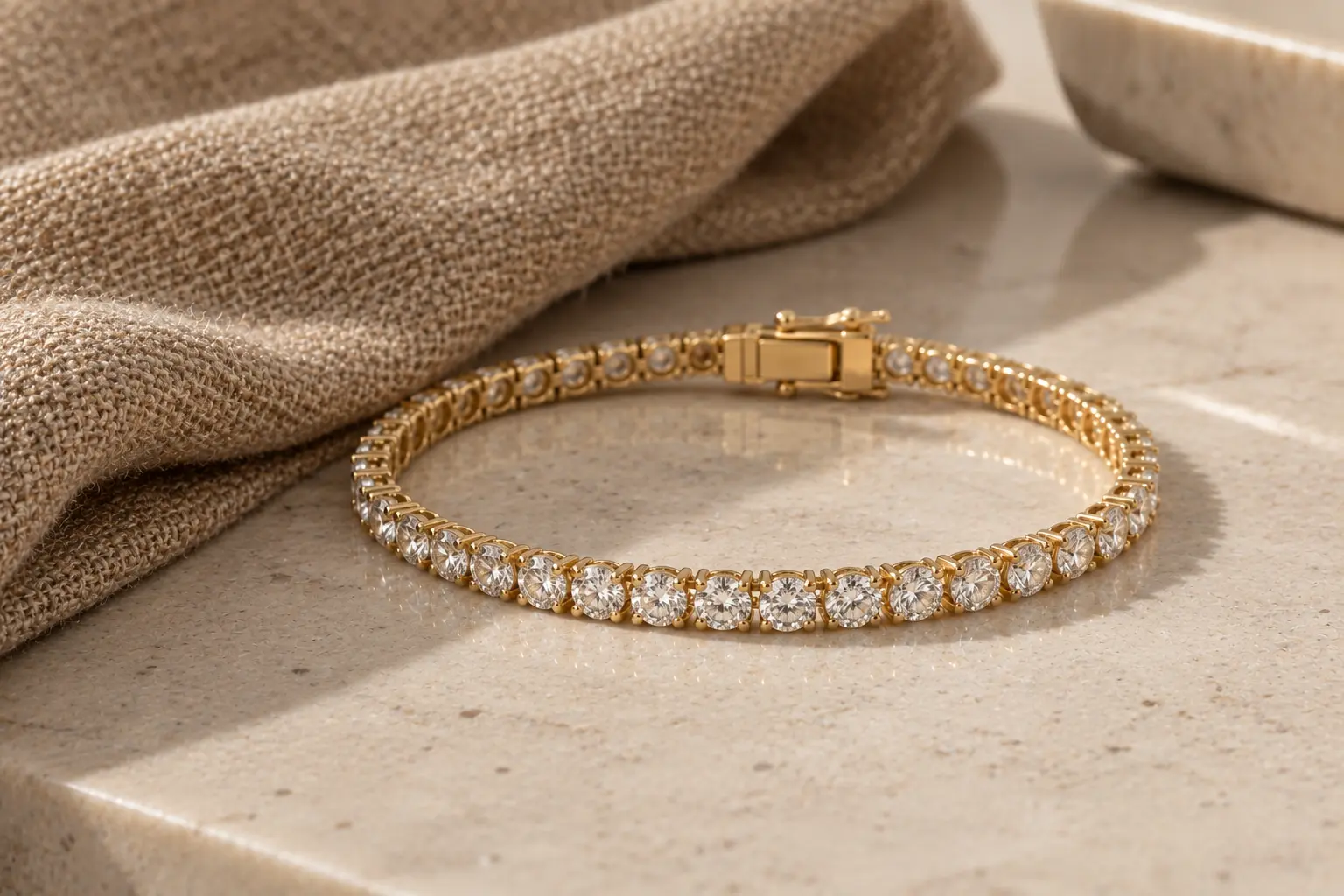
You probably already know what a tennis bracelet is: a row of diamonds or other gemstones strung together to form a flexible bracelet. But despite the name, there’s nothing inherently sporty about tennis bracelets. So, where does the term “tennis bracelet” come from?
At the 1987 United States Open Tennis Championship, tennis player Chris Evert had to pause the game mid-match to retrieve the “line diamond” bracelet that had flown off her wrist. Evert wasn’t the first to don this bracelet style at a tennis match — actor Farrah Fawcett sported a pair at a charity match in 1976 — but the U.S. Open incident brought attention to the trend, inspiring a new nickname that stuck.
What are tennis bracelets made of?
Tennis bracelets are pretty simple in construction. It’s the quality of their stones (and the materials holding them together) that makes a big difference in a bracelet’s value.
Diamonds or gemstones
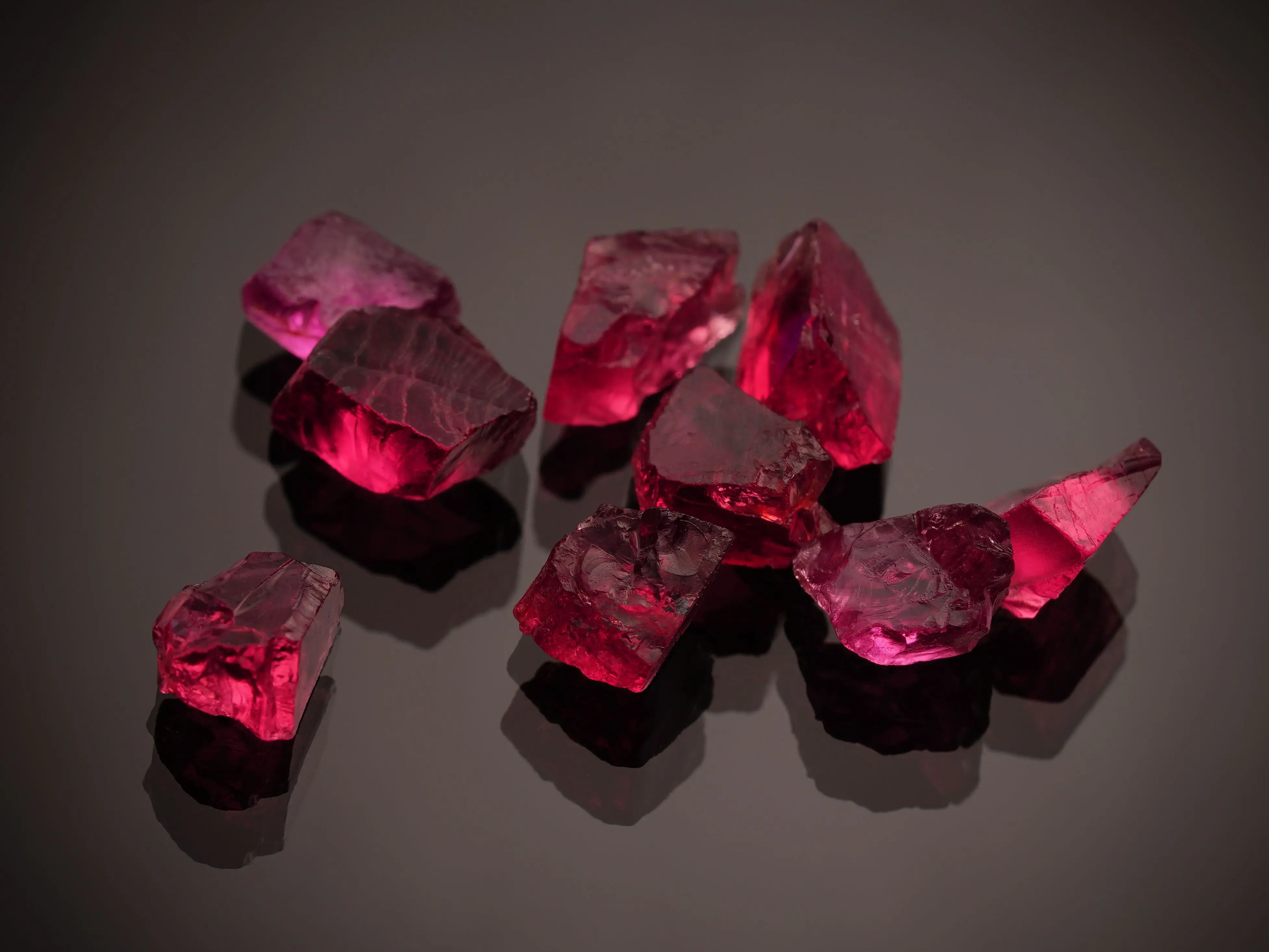
Diamonds are the classic gemstone choice for tennis bracelets, usually matched closely enough in size and appearance to create that iconic uninterrupted line around the wrist. But tennis bracelets don’t have to be made with diamonds. You’ll also find versions made with hard colored gemstones, like sapphires, rubies, and emeralds.
If your bracelet does contain diamonds, whether they’re natural or lab-grown matters for the piece’s resale value. So do their size and quality (more on those details later).
Metal setting
Each stone sits in its own small metal setting, connected to the next. Those individual links give a tennis bracelet its flexibility. The setting also has a practical job: keeping dozens of stones securely in place while letting the bracelet move with your wrist.
Common metals for tennis bracelets include gold, platinum, and silver. Figuring out which one your bracelet uses can give you another clue about its value.
Gold
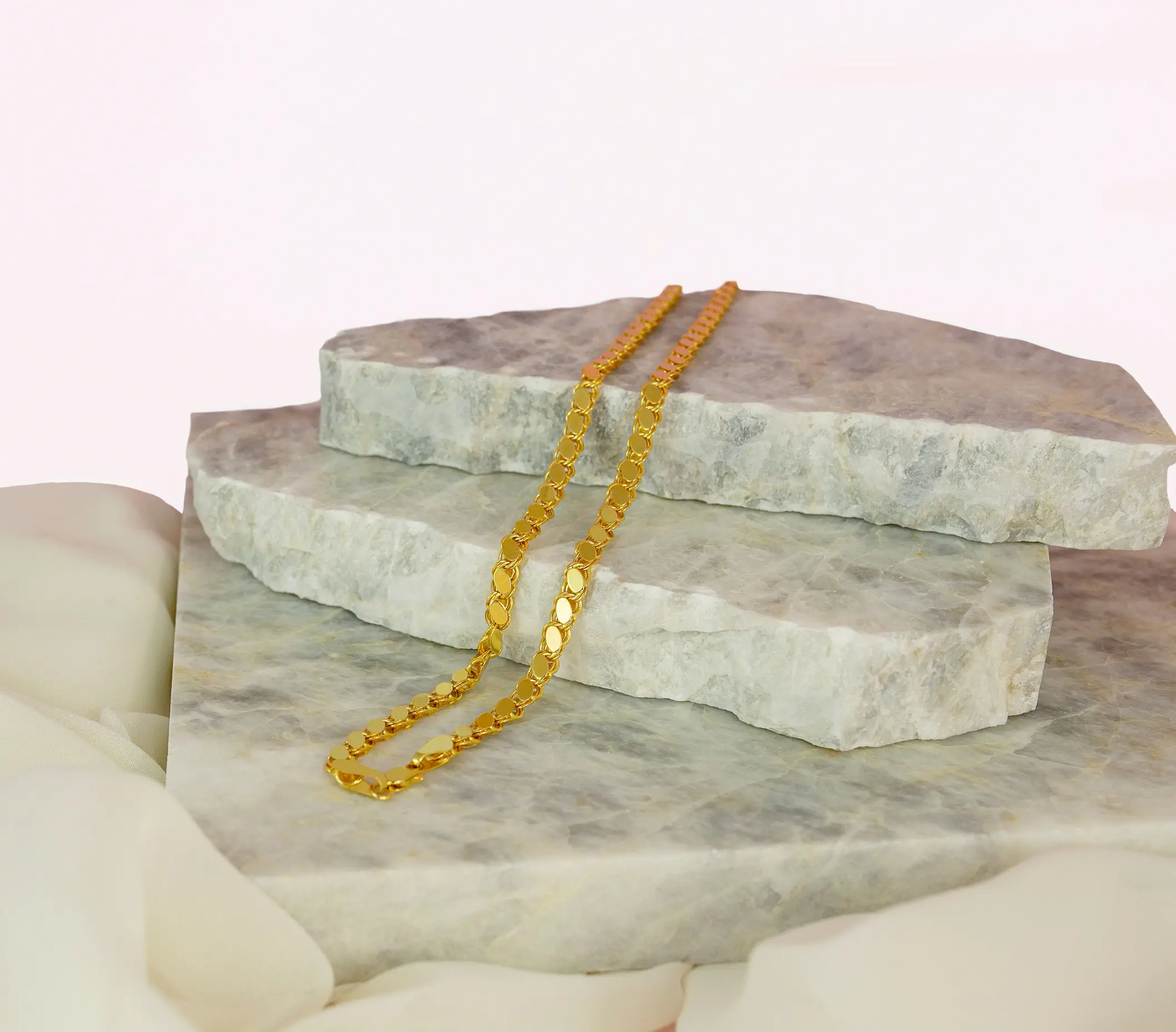
If the metal around your tennis bracelet is yellow or pinkish, it’s likely gold. Gold tennis bracelets are commonly made from 14K or 18K gold in yellow, white, or rose gold. The karat tells you how much pure gold the metal contains: 14K is 58.3% gold, while 18K is 75%.
You can often find that information stamped somewhere on the bracelet, usually near the clasp. A 750 mark, for example, means the piece is 75% pure gold — another way of saying 18K.
Silver or white-toned metal on a tennis bracelet is a little harder to identify on your own. It could be white gold, platinum, or sterling silver. The key is looking at the hallmark.
Platinum
Platinum is naturally white, dense, and durable, which makes it well-suited for securing diamonds. It’s also considerably heavier than gold, so a platinum tennis bracelet may feel surprisingly substantial for its size.
Look for marks like “PLAT,” “950,” or “PT950.” But don’t treat a stamp alone as proof. Hallmarks can be added later, and other metals may have been used during repairs on older jewelry, so the metal itself still needs to be verified.
Silver
Silver is another metal commonly used for tennis bracelets, especially on less expensive ones. Sterling silver is 92.5% pure silver and is typically stamped “925.”
The metal itself is generally worth much less than gold or platinum. If you have a sterling silver tennis bracelet, the stones make up more of the whole piece’s value.
Diamond characteristics used in tennis bracelets
Tennis bracelets traditionally use diamonds that look consistent from one stone to the next. But “consistent” doesn’t necessarily mean “valuable.”
The bracelet’s metal, condition, and construction factor into what the piece is worth overall, but the 4Cs affect how diamonds hold their value over time.
Color
Diamond color is graded by how much color a stone shows, on a scale from D (completely colorless) to Z (yellow or brown). For white diamonds, less visible warm tones generally means a higher value. In a tennis bracelet, color consistency matters, too: Noticeably different colors can interrupt that uniform line of stones.
Clarity
Clarity describes the presence of inclusions inside a diamond or blemishes on its surface. Fewer or less-noticeable imperfections usually mean a higher clarity grade, though many differences aren’t obvious without magnification (also known as “eye clean”).
Carat
Tennis bracelets usually list a total carat weight for all the stones combined. That number doesn’t tell the whole story, though. A bracelet set with fewer, larger diamonds may be valued differently from one containing many smaller diamonds, even if they weigh the same.
Cut
Round diamonds and princess cuts are common in tennis bracelets, but you’ll also see emerald, oval, and other shapes. Whatever the shape, the stones are typically matched to create that continuous look. The exact cut choice doesn’t usually have a major impact on its value (aside from market trends), but it can influence the total carat weight without changing the bracelet’s size.
What’s a diamond tennis bracelet worth?
There’s no price tag that applies to every diamond tennis bracelet; how much a tennis bracelet is worth depends on what it’s made of, the quality and weight of its stones, and what buyers are willing to pay for a piece like yours.
That willingness matters more than you might expect. A diamond tennis bracelet’s value on the resale market isn’t the same as what it originally cost at a jewelry store, or what a jeweler would sell it for today. Retail prices include markups for overhead, store revenue, and other costs you usually won’t recover when reselling diamonds.
Here are the major factors that move the needle on the bracelet’s value:
- Diamond or gemstone quality: Natural diamonds are generally worth much more than lab-grown diamonds, but the quality of the stones matters, too. For diamonds, that means looking at the 4Cs.
- Total carat weight: Carat measures weight, not size. A tennis bracelet’s total carat weight tells you the combined weight of all the stones. But two bracelets with the same total weight aren’t necessarily worth the same amount — the size and quality of the individual stones also matter.
- Metal: Gold and platinum contribute their own material value to a bracelet. The type and purity of the metal, and how much the settings and clasps are made from, can affect the overall value.
- Setting and construction: How well the bracelet is made changes its value, especially when dozens of individual settings and links are involved. Missing stones, worn prongs, and even repaired damage can all affect what a buyer is willing to pay.
- Authenticity and documentation: Paperwork like original receipts and official grading reports can help establish what you have, but missing paperwork doesn’t make a bracelet worthless. A professional can examine and value the piece at today’s prices instead of relying solely on what others have claimed.
Estimate your tennis bracelet’s value with Unvault
You can learn a lot about your tennis bracelet by looking at its stones, metal markings, and condition. But there’s a limit to what you can determine at home, especially when you’re trying to put a dollar amount on it.
A professional jewelry valuation with Unvault can give you an estimate of what the piece is worth based on the characteristics of your actual bracelet. That gives you something more useful than the price of a similar-looking bracelet online: a clearer idea of what yours may be worth.
If you’re on the fence, don’t worry: Getting a valuation is fast (and free), and it doesn’t mean you have to sell your jewelry to us. But knowing its value will make it easier for you to decide what happens next.
Learn more and get a free online appraisal from Unvault.
Frequently asked questions
Know what your jewelry is worth before you sell.
Monthly gold-price context and hallmark guides from Unvault’s gemologists. No spam, unsubscribe anytime.
Related posts
.webp)


Ready to see what your jewelry is worth?