A watch's worth depends mainly on its brand, model and reference number, condition, original box and papers, and materials such as steel, gold, or platinum. Completed sales of the same reference show what buyers actually pay, while a dealer offer is usually lower. Check recent sold listings or request a valuation to get a realistic figure.
Many watches can be surprisingly difficult to price, as there are many variables that can affect how much your watch is worth. After accounting for exact reference, condition, and current collector demand, basic models can sell for less than $100 while desirable luxury watches can reach five or six figures. You can narrow that range considerably once you identify exactly what you own and compare it with the right part of the resale market.
How much is a watch worth?
Your watch is worth roughly what comparable examples of the same reference — the specific model or version identified by its reference number — are actually selling for in similar condition. Similar to an engagement ring, if your watch contains solid gold or silver, its metal content gives you a baseline value before accounting for market demand. Diamonds or other gemstones can contribute separate value depending on the piece.
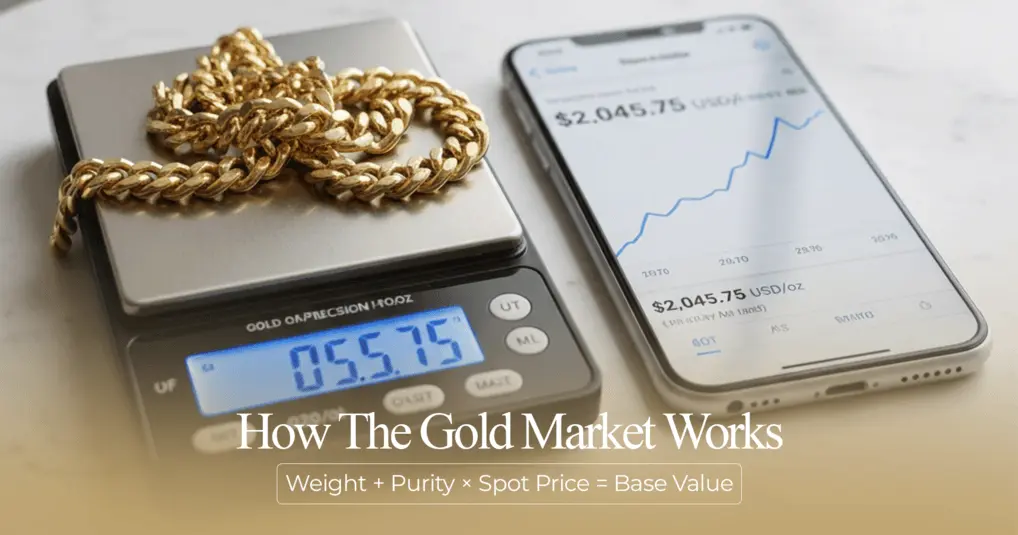
For a solid 18K gold watch, for example, the current gold-content value is about $96.44 per gram. That means 20 grams of 18K gold is worth about $1,929 in metal, while 50 grams is worth about $4,822.
Fine silver is trading at approximately $1.60 per gram today. If your watch is sterling silver, the actual silver content is 92.5%, so its melt value per gram will be lower.
| Watch material | Approximate precious-metal value | What that means for the complete watch |
|---|---|---|
| Solid 18K gold | $96.44 per gram of 18K gold; 20–50g = about $1,929–$4,822. | The metal creates a value floor. A desirable luxury reference can sell substantially above that baseline. |
| Sterling silver | About $1.60 per gram; 20–50g = about $32–$80. Actual value depends on purity. | The metal contributes relatively little, so the watch’s identity and collector demand usually have more of an impact on value. |
| Gold-plated | Little recoverable gold value. | Resale pricing depends on the watch itself. The plating generally adds little material value. |
These examples use 20–50 grams of actual precious-metal content, not the total weight of the watch. Mechanical components and crystals add weight without contributing to the melt calculation.
What you need to identify your watch
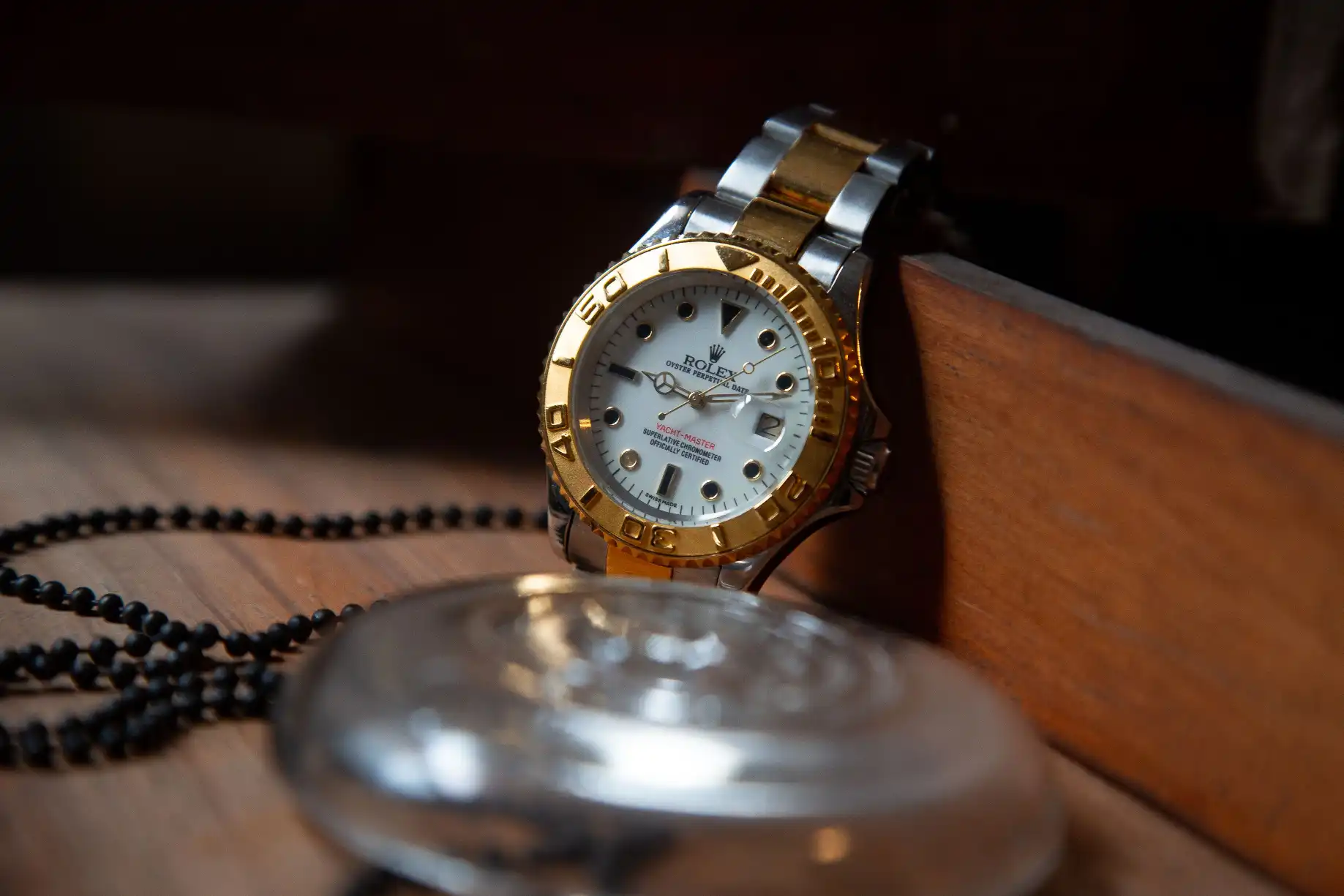
You need the exact reference, not just the brand name, to accurately identify your watch before selling. Finer details can keep you from comparing your watch with models that look similar but trade at different prices.
Find the reference number
The reference tells you which specific model or watch configuration you should be pricing. Think of the brand as a family’s surname and the reference as individual members’ unique first names. Rolex has manufactured Submariner watches, for example, in many references during decades of production. Different generations can have different case sizes, materials, and resale markets.
Look at the paperwork first if you have it. Depending on the manufacturer, you may also find identifying numbers on the caseback or between the lugs. A serial number can identify the individual watch and help you establish its production period.
Gather other paperwork, accessories, or the box
Original warranty papers and receipts can help connect the watch to its reference and history. Service records document a history of repair work and can verify genuine replacement components.
The factory box can also help identify specific watch models and references, especially for collectible watches where buyers have several similar examples to choose from. Extra bracelet links are also worth tracking down to make the piece more appealing for a wider range of watch buyers.
If you inherited an older watch with little documentation, some manufacturers can provide archive information that identifies the original model or production details.
Factors that affect your watch’s resale value
The exact reference establishes the market. Your watch’s condition and originality determine where its final value lands within that market.
Demand follows specific references
A prestigious name can open the door to a strong secondary market, but collectors buy particular watches. Demand for one Patek Philippe, Audemars Piguet, or Vacheron Constantin reference, for example, can differ sharply from others by the same brand.
That’s why searching for a broad phrase like “used Rolex value” will produce noisy and difficult-to-parse results. Once you know the reference, you can compare the right watches and see what dealers or collectors are actively paying for yours.
Condition can move the number quickly
Check the case, crystal, dial, bracelet, and clasp for damage. Visible damage, such as deep dents or cracked crystals, can make a buyer budget for repairs or restoration. Mechanical condition is critical because servicing a luxury watch can be expensive. A watch that runs poorly or has malfunctioning components carries another cost the next owner has to absorb.
Vintage watches add another wrinkle: polishing can change the shape and factory finish of the case. Collectors may prefer an original case showing honest wear over one with heavy refinishing.
Original parts can affect the price
A watch can be authentic and still contain service replacements from decades of maintenance. That history may affect the price when collectors place a premium on original hands, dials, bezels, or crowns. Keep service records when you have them because they help an evaluator make sense of those changes.
For heavily counterfeited brands like Rolex, Omega, or Cartier, compare your watch’s reference with the dial and paperwork before seeking professional authentication.
The movement affects demand and ownership cost
A desirable movement can help define why collectors want a particular reference. Chronographs, calendars, and other features may add interest when they’re part of a sought-after model, although they may also raise servicing costs.
For valuation purposes, consider both demand and mechanical condition. If collectors seek out your reference for its movement, that can support its value. If an expensive movement service is due soon, a buyer may factor that cost into their offer.
Where should you check what your watch is worth?
For resale value, completed sales of your exact reference in similar condition are the strongest DIY benchmark.
Compare accurate resale examples
An active listing shows a seller’s target price. A completed transaction records where a watch buyer agreed to spend money. Match the comparison as closely as possible. If your watch has no papers and visible wear, a mint full-set example doesn’t give you a realistic benchmark.
Several recent comparable sales are more useful than one unusually high or low transaction. Together, they can establish a range your watch currently trades within.
Use an online valuation when you want a faster benchmark
If you have clear photos and identifying information, an online valuation can help establish a value range without needing a spreadsheet of comparable sales.
Unvault’s online appraisal and valuation tool, for instance, uses the details you submit to estimate your watch’s current value. The evaluation and estimate’s accuracy improves when you can provide clear photos of markings and documentation.
Use a professional appraisal for the right purpose
A professional watch appraisal is particularly useful when you need formal documentation for insurance or estate purposes.
Pay attention to the type of value on the document. An insurance appraisal usually estimates replacement cost, and a resale valuation looks at what the watch could realistically fetch on the current secondary market. If an outdated appraisal is the only number you have to work with, look into when it was prepared and what it was designed to measure before using it as a selling benchmark.
Get a clearer picture of your watch’s value with Unvault
If researching reference numbers and comparable sales gets you part of the way to valuing what your watch is worth, Unvault can finish the job and examine the details for a more specific estimate. Upload photos and whatever information you have to receive an initial valuation. You can see the estimate before deciding whether Unvault’s selling process makes sense for you.
Begin your free valuation with Unvault to see what your watch is worth today.
Frequently asked questions
Know what your jewelry is worth before you sell.
Monthly gold-price context and hallmark guides from Unvault’s gemologists. No spam, unsubscribe anytime.
Related posts




Ready to see what your jewelry is worth?