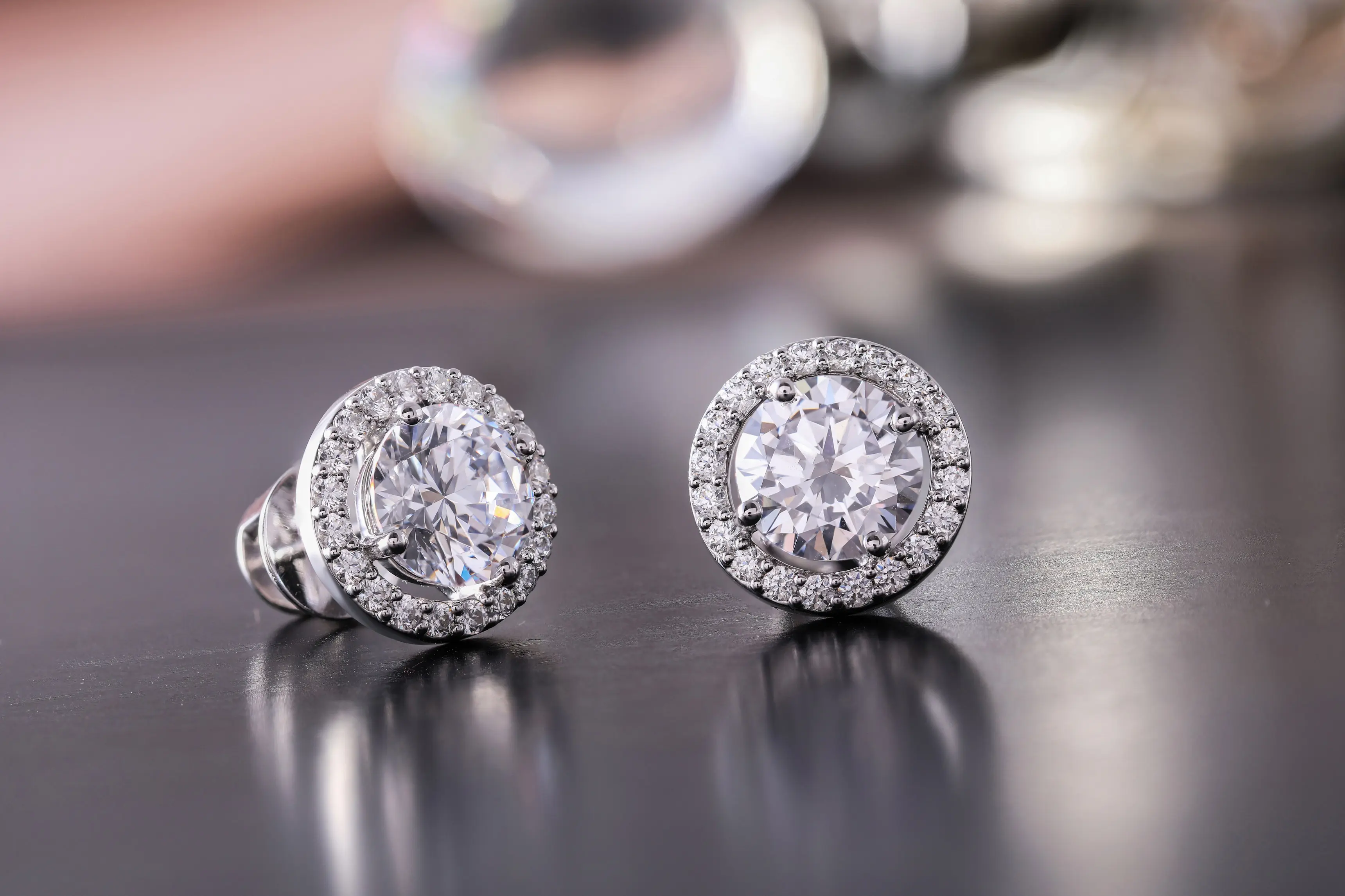
Diamond earrings usually resell for much less than their original retail price, often about 20–50% for natural stones. Value depends on total carat weight, cut, color, clarity, the metal setting, and whether the diamonds are natural or lab-grown. A GIA or AGS certificate makes the valuation more reliable.
There’s more to your diamond studs and hoops than their timeless appeal. While diamonds usually hold resale value, two pairs of similar earrings can carry very different price tags depending on variables such as quality and precious metal content. And even though the original receipt might show you what a pair of diamond earrings once cost, it won’t necessarily tell you what they’re worth today.
This guide highlights what influences how much your diamond earrings are worth while exploring pricing tiers based on size and quality so you can learn how to compare appraisal, resale, and retail values.
What determines how much diamond earrings are worth?
Finding out how much your diamond earrings are worth begins with the four Cs:
- Cut
- Color
- Clarity
- Carat weight
Established by the Gemological Institute of America (GIA), these standards determine what makes one diamond more valuable than another.
Cut
A diamond’s cut may describe its overall shape — such as round, oval, or princess — but cut quality measures how well its proportions and facets interact with light.
This value is based primarily on three optical effects:
- Brilliance: The white light reflected from the diamond.
- Fire: The flashes of rainbow color.
- Scintillation: The pattern of light and dark areas created as the diamond moves.
Some patterns perform better than others and are graded accordingly. A skillfully cut gemstone reflects more light, amplifying its sparkle and attracting higher prices.
Color
Diamonds come in many clarities and color hues, and even subtle differences can affect their value. White diamonds are graded by how little color they have, while colored diamonds (also called fancy diamonds) tend to be more valuable in vibrant, saturated colors. Rare shades, such as pink, blue, and green, are especially valuable.
Clarity
Clarity refers to the presence of internal and surface imperfections (inclusions and blemishes) in a diamond. Like fingerprints, these characteristics help distinguish one stone from another. Diamonds with fewer imperfections typically earn a higher clarity grade and value.
Carat weight
Diamonds are measured in metric carats (ct). Larger diamonds are generally rarer and more valuable, especially when their quality is high and desirable. With earrings, pay attention to carat total weight (CTW), which combines the weight of all diamonds in a pair. For example, 2 CTW diamond stud earrings include a 1-ct diamond in each earring.
Other details that can affect diamond earrings’ value include condition, brand, and market demand. Older jewelry with chips, scratches, or loose stones might be worth less than newer pieces, but can still be worth quite a bit if they were made by a recognizable designer or feature a popular style.
Metal setting and natural vs. lab-grown diamonds
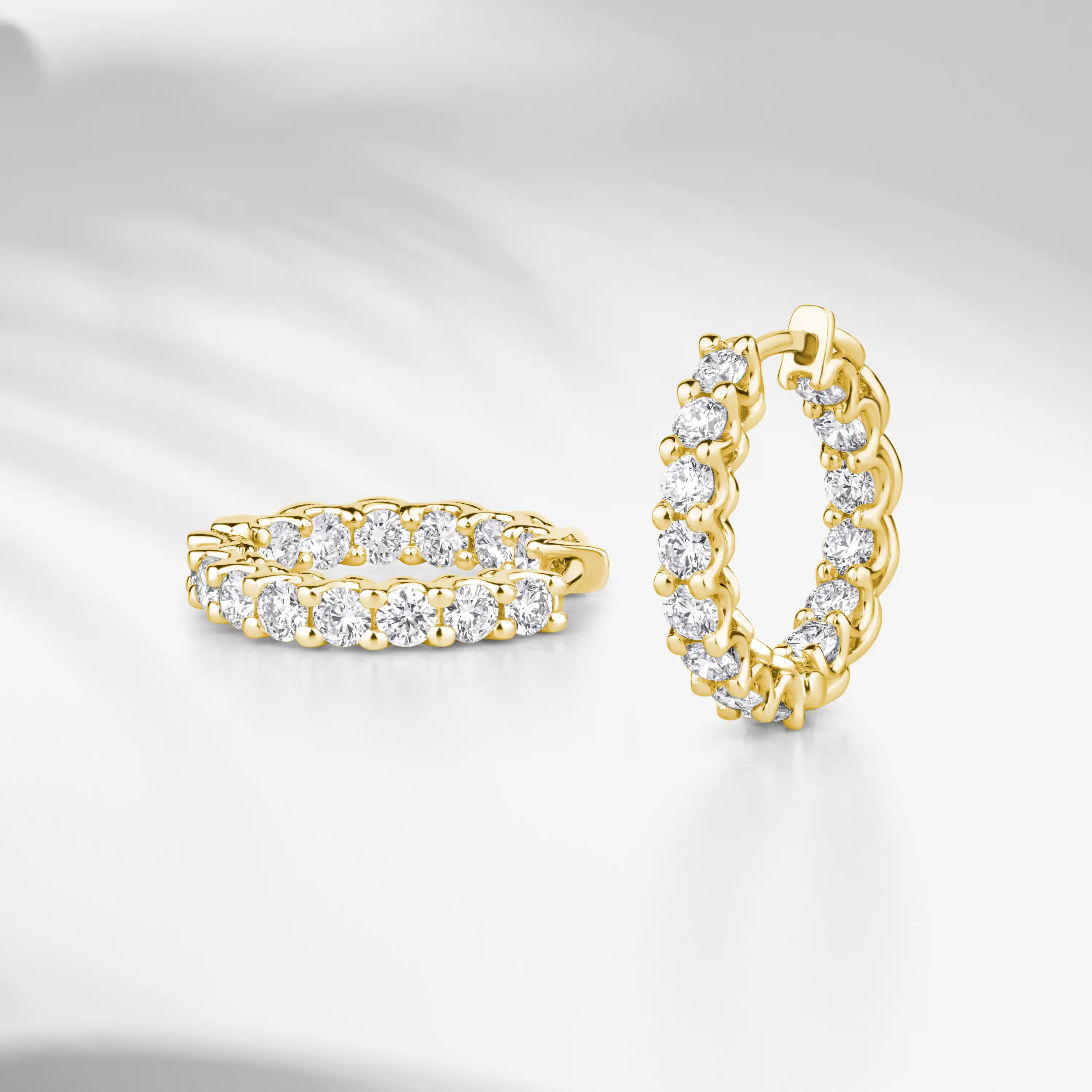
Just like engagement rings and other jewelry, the precious metal content in your earrings’ settings also influences their worth. This is their melt value, and it depends on the metal’s weight, purity, and current market price. For example, a pair of 14K gold studs weighing a combined 1 gram could have about a $75 melt value. This excludes the diamonds, design, and other features that may increase the earrings’ worth.
Diamonds’ origin can also impact their value. Natural and lab-grown diamonds have nearly identical physical and optical properties, but their prices vary significantly. Lab-grown diamond earrings typically cost much less than earrings with comparable natural stones and generally yield lower resale value.
While Unvault doesn’t appraise lab-grown diamonds, we can assess the value of their gold, silver, or platinum settings.
How much diamond earrings are worth: Average value by size and quality tier
Diamond earrings can be worth hundreds or hundreds of thousands of dollars. The biggest influences are typically diamond origin, size, and quality. For reference, the table below includes average prices across four tiers.
| Entry Level | Mid-Range | High End | Luxury | |
|---|---|---|---|---|
| Approx. weight per earring (ct) | 0.125–0.25 | 0.25–0.75 | 0.75–2 | 2.5+ |
| Carat total weight (CTW) | 0.25–0.5 | 0.5–1.5 | 1.5–4.9 | 5+ |
| Diamond quality | Commercial grade | Good to very good | High-quality stones | Exceptional quality or rarity |
| Typical setting | 10K–14K gold | 14K–18K gold | 18K gold or platinum | Platinum or designer |
| Diamond origin | Natural or lab-grown | Natural or lab-grown | Primarily natural | Primarily natural or rare |
| Est. value range* | $150–1,000 | $1,000–5,000 | $5,000–50,000 | $50,000+ |
*Broad price estimates based on retailer listings. Actual prices will vary.
The table’s ranges reflect what diamond earrings could cost to purchase brand new, not what you may receive if you sell them to a local jeweler or pawn shop. Designer names and custom craftsmanship can also push prices beyond the average range.
Why certification matters for your diamond valuation
Diamond certification creates a blueprint for assessing your jewelry’s worth. Independent gemological laboratories, like the GIA and American Gem Society (AGS), objectively assess and document diamonds’ characteristics. Lab grading reports detail the four Cs and other noteworthy features.
If your earrings came with a diamond grading report, keep it handy when requesting an appraisal or comparing offers. You can verify a report’s authenticity through the GIA Report Check service. If you don’t have a report, check your original purchase records about the diamonds and their settings. Even an old receipt can provide useful information about what you own and help an appraiser fill in a few gaps of information.
While a grading report doesn’t assign monetary value, it gives appraisers and potential buyers reliable information to work with. You can still have your diamond earrings appraised without a report, but lab documentation supports a more accurate valuation and can help you get more money from your collection.
Appraisal value, resale value, and retail price: What’s the difference?
An $800 price tag at the store doesn’t necessarily mean your diamond hoops will sell for $800 later. Appraisal value, resale value, and retail price measure different things. Understanding the distinctions can help you recognize reasonable offers and decide what to do with your jewelry.
Retail price
Retail price is what a customer pays to buy diamond earrings from a jewelry store. It includes the cost of materials and craftsmanship, along with business expenses and profit margins. Because of these markups, retail price points don't necessarily reflect what your diamond earrings are worth if you decide to sell them later.
Appraisal value
An appraisal is a professional estimate of your jewelry’s worth for a specific purpose, such as insurance, estate planning, or resale. Each type of appraisal can yield a different value. If your jewelry is covered by insurance, a reappraisal every two to five years will accurately reflect the cost of replacing your earrings with a comparable pair. That figure may be considerably higher than what you could sell them for.
Resale value
Resale value is the amount your earrings could reasonably return on the open market. Diamond quality, condition, and buyer demand are among the factors that can influence resale value. Rare diamonds or sought-after designer earrings might sell for higher prices, but resale value is typically lower than the original cost.
Get a free valuation for your diamond earrings with Unvault
Your diamond earrings, estate jewelry, and other treasures often deserve a closer look. From the quality of the stones to the precious metals holding them, every detail contributes to their potential worth. Knowing what you own puts you in a stronger position to get a fair offer.
With Unvault’s free online jewelry appraisals, you can get an initial estimate with no obligation to sell. If you choose to move forward with Unvault’s selling process, we provide insured shipping, video-recorded authentication, and a transparent final offer you can review before taking the next step. Upload a few photos of your jewelry to begin your diamond earring appraisal today.
Frequently asked questions
Know what your jewelry is worth before you sell.
Monthly gold-price context and hallmark guides from Unvault’s gemologists. No spam, unsubscribe anytime.
Related posts


Ready to see what your jewelry is worth?