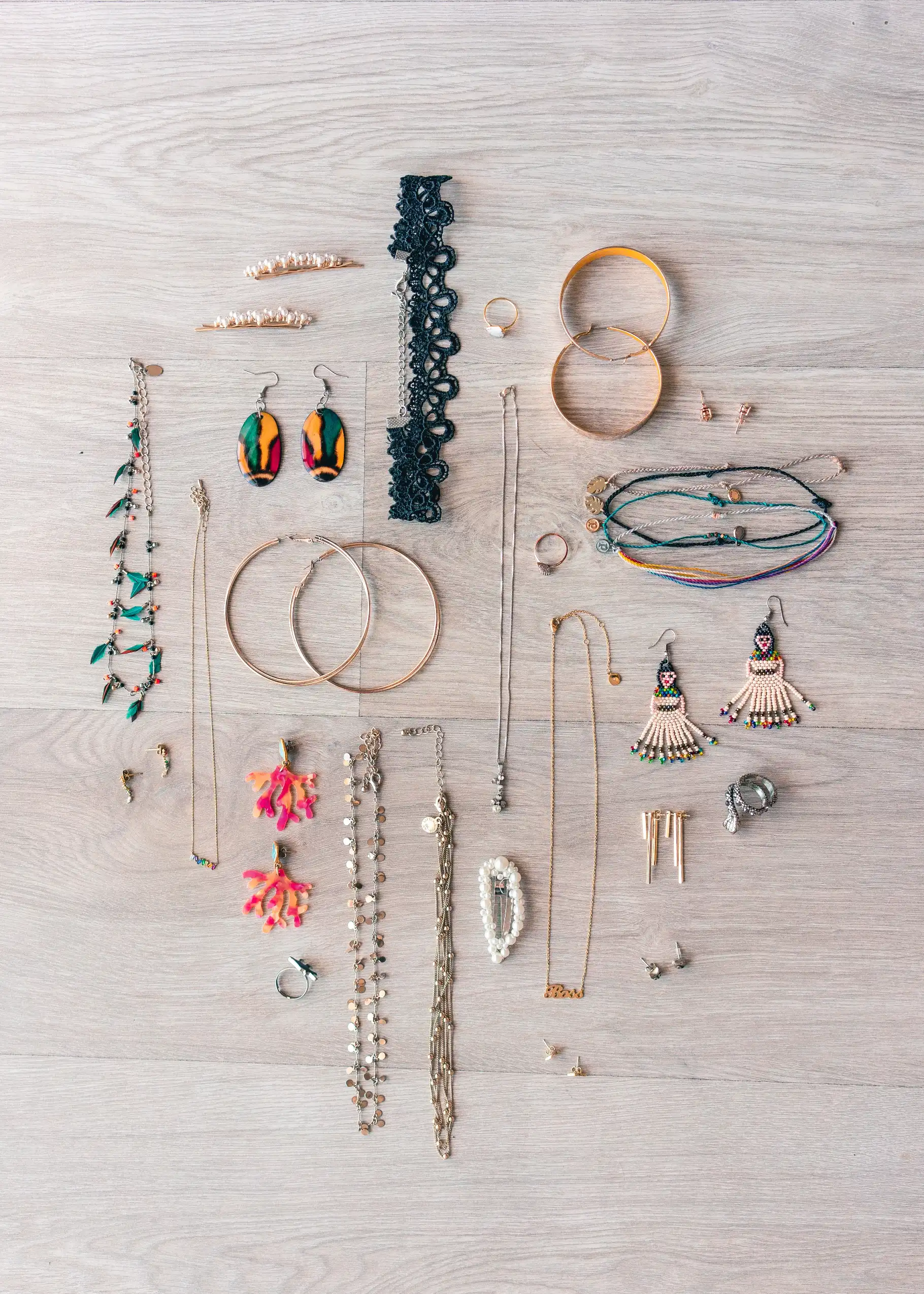
Scrap gold is gold jewelry or items that are broken, unwanted, or no longer wearable, such as single earrings, tangled chains, and dental gold. Buyers value it for its gold content rather than its design, usually paying based on weight, purity, and the current gold price, minus refining costs.
Scrap gold includes gold items that have been discarded, damaged, or broken and are no longer fit for their original purpose. This practical guide explores what scrap gold is and how to identify if your items still have value. You’ll learn how to sell scrap gold by evaluating each item, preparing it for sale, and finding the right buyer.
What’s scrap gold?
Scrap gold is any gold-containing item, such as jewelry, bars, or coins, valued for its metal content instead of its design or functionality. Gold consistently holds its value, so scrap gold buyers often melt pieces down to refine and recycle the gold into something new.
It’s a common misconception that items must feature visible damage or missing elements to be considered scrap gold. But any gold item you no longer use for its original function qualifies, whether it’s broken, discarded, or simply no longer wanted. The item’s value is based on its intrinsic gold and metal content, not its original form.
What types of items are considered scrap gold?
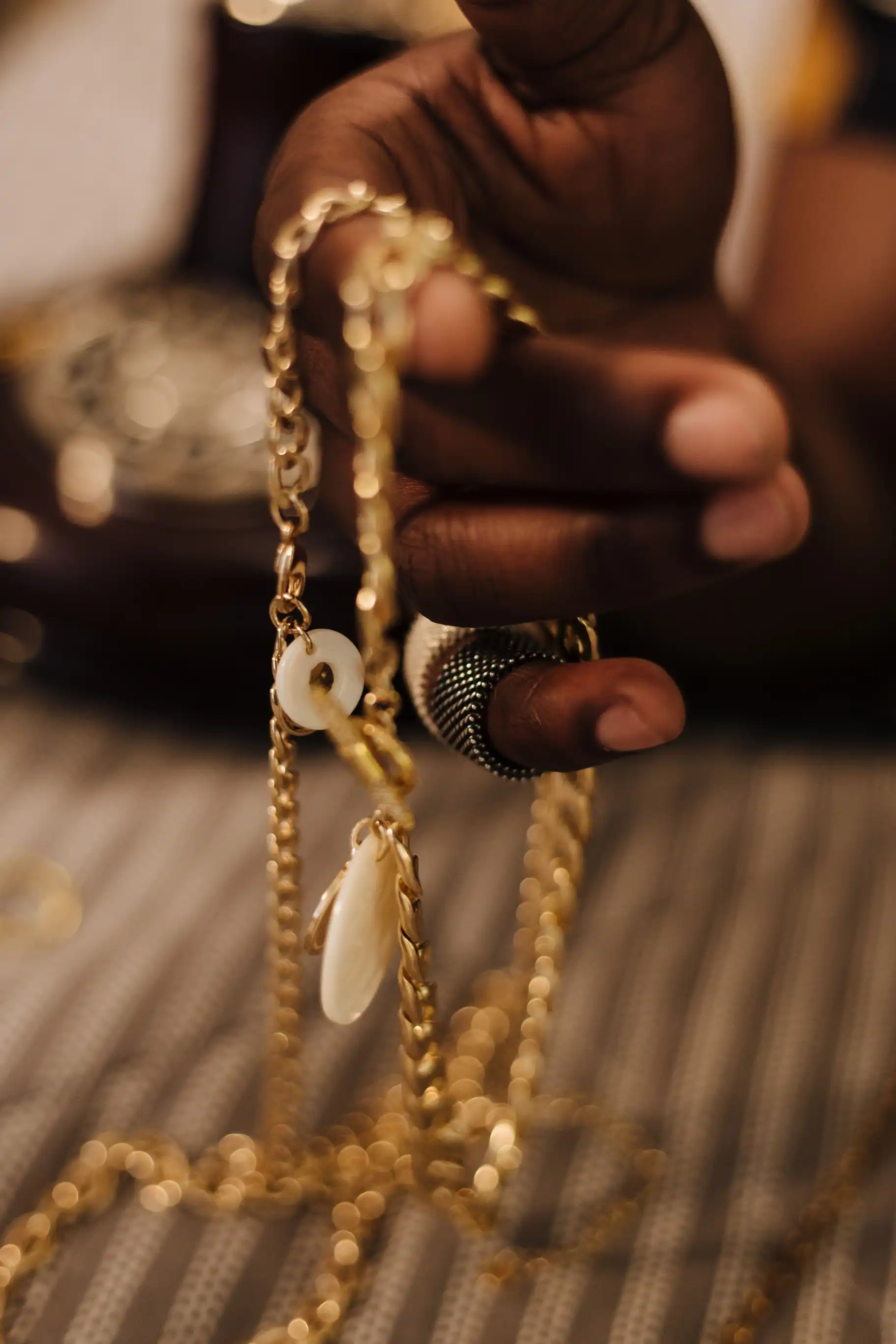
Here are some common types of items owners can sell as scrap gold:
- Gold jewelry: Broken chains or bracelets, single or damaged earrings, unwanted or misshapen rings, and outdated jewelry can all be considered scrap gold.
- Gold coins: Gold coins are easy and convenient to transport, evaluate, and sell. They also offer a standardized unit of value and are generally more accessible to individual buyers than gold bars. Because gold coins often require less processing than other forms of scrap gold, buyers may be willing to offer more competitive prices. Make sure to evaluate all coins before selling, as some coins are collectible with standalone value higher than their melt amount value.
- Gold watches: Watch values can vary significantly, and a stopped or damaged watch may be a good candidate for scrap gold. Get a professional evaluation first because some high-end watches can be worth more than the value of their gold content alone.
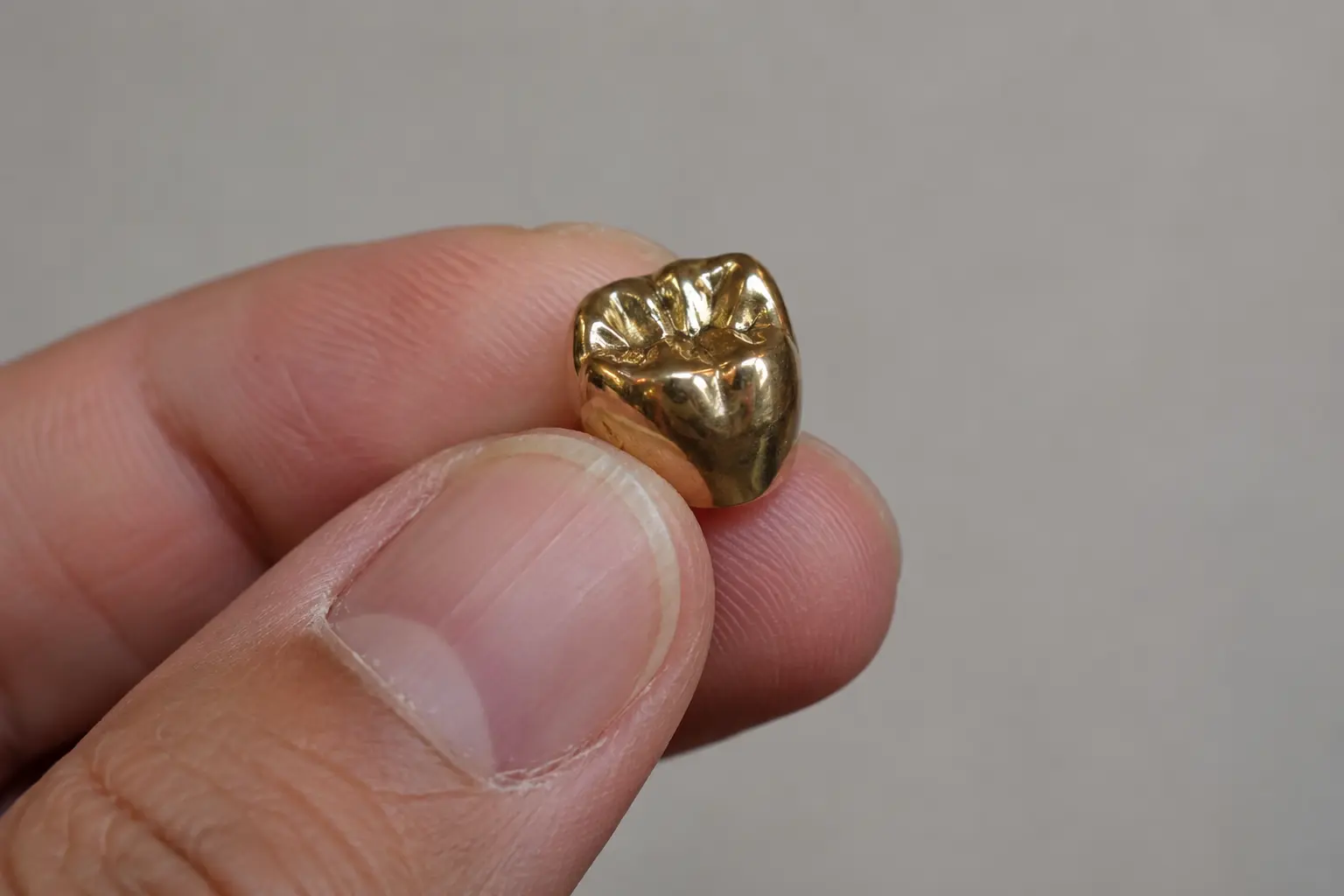
- Dental gold: Dentists typically use gold alloys varying from 8K to 22K for items like crowns, bridges, inlays, or onlays. When dental gold items are removed or replaced by a dentist, the patient retains ownership and can sell the scrap gold.
Be wary of gold-plated or gold-filled items, as they can be worth significantly less than solid gold. If you’re unsure whether an item is solid gold, a jeweler or gold buyer can test it to determine the gold content and help you better understand its value.
How much is scrap gold worth?
Scrap gold value is based on its weight, purity, and current market price. Buyer or refinery deductions and processing fees may also impact the amount you’ll receive for selling scrap gold.
Here are some steps to take for estimating what your scrap gold is worth before selling:
- Determine the purity: Look for a stamp that indicates purity, such as 24K or 14K. At-home acid test kits or professional testing methods are available for pieces without a karat marking. 24K gold is 99.9% pure, while 22K gold is 91.7% pure, 18K gold is 75% pure, 14K gold is 58.3% pure, and 10K gold is 41.7% pure.
- Weigh the gold: Use a precision scale to weigh your item. Most scales use grams, but the market price of gold is often quoted in troy ounces. One gram is approximately 0.03215 troy ounces.
- Check gold's current market price: Look up the current spot price of gold, which can fluctuate daily and represents the market price for gold available for immediate sale. The price consumers pay for gold products is often higher than the spot price because of markups and shipping or refinement costs.
- Calculate the estimated scrap gold price: Using the information you’ve gathered, you can now estimate what your scrap gold is worth. The basic formula for estimating scrap gold value multiplies the weight in grams by the purity and current gold price per gram.
Here is the estimated value formula for a 14K gold piece weighing 10 grams, for example:
(10g) x (0.583 purity) x ($75 price per 14K gram) = $437.25
The actual offer you receive as a seller may be lower than the estimated melt value due to buyers deducting testing, refining, and processing costs.
Where can you sell scrap gold?
You can sell scrap gold online or explore other local options.
Online platforms
An online gold and jewelry platform like Unvault is a fast and convenient option for selling scrap gold. Once Unvault receives your scrap gold for appraisal and refinement, the platform has access to a vast network of potential buyers.
Jewelry stores
Not all jewelry stores buy scrap gold, and some may make below-market offers due to retail overhead. A local jewelry store that purchases scrap gold can be convenient for small amounts, and they may be able to evaluate gemstones or other items at the same time.
Pawn shops
Pawn shops are often the fastest option for selling or pawning scrap gold based on weight and karat, but offers tend to be lower than other buyers. Comparing offers from different pawn shops and negotiating may make this option worthwhile.
Refineries
Gold refiners can typically pay the highest percentages of scrap gold’s melt value thanks to eliminating middlemen between the seller and refinement process. While refiners are competitive for larger quantities of scrap gold, sellers must often meet minimum quantity thresholds for transactions.
How to prepare scrap gold for sale
Getting scrap gold ready for an appraisal evaluation and sale requires organization, item preparation, cleaning, and documentation. Properly preparing your scrap gold helps buyers accurately assess its value and may increase your offer or streamline the selling process.
Follow these steps for preparing scrap gold:
- Separate items by karat value: Organizing by karat can accelerate the process with a buyer. It demonstrates that you understand what you have and reduces the time needed to organize and analyze your items.
- Remove non-gold components: If possible, remove non-gold components such as gemstone pendants or other metals to help buyers assess the gold content more accurately.
- Gently clean the items: Fill a small bowl with lukewarm water and add two or three drops of mild dish soap or baby shampoo. Soak your gold items for 10–15 minutes to loosen dirt and oils. Gently clean crevices with a soft-bristled toothbrush then rinse with clean, warm water and dry with a cotton cloth.
- Gather all documentation: Having receipts, certificates, or previous appraisals on hand helps verify your gold’s authenticity, purity, and original value. Giving buyers more information to assess your scrap gold may help you receive more competitive offers.
What happens to scrap gold after it has been sold?
Scrap gold’s path after a sale depends on its condition and purity, as well as the buyer’s business model.
Most scrap gold that can’t be resold in its current form goes through a basic recycling process:
- Documentation and evaluation: Scrap gold is tested, weighed, assessed for purity, and evaluated for potential resale.
- Sorting: All scrap gold is sorted by weight, purity, and type for efficient repurposing.
- Refinement: The refining process removes impurities to meet requirements for the gold’s next use. The goal for refinement is typically to reach 99.9% purity.
- Melting: Some scrap gold can’t be reused in its current form, so it’s melted down and processed into material for new products, such as jewelry, coins, bars, or electronics components.
Discover the value of your scrap gold with Unvault
Identifying, evaluating, and selling scrap gold may seem like a complex or intensive process, especially to those unfamiliar with gold jewelry.
Unvault provides free, professional valuations for scrap gold. With transparent pricing and live appraisals, you can understand the value of what you have before deciding to sell.
Try Unvault’s Gold Calculator to begin estimating what your scrap gold is worth.
Frequently asked questions
Know what your jewelry is worth before you sell.
Monthly gold-price context and hallmark guides from Unvault’s gemologists. No spam, unsubscribe anytime.
Related posts

Ready to see what your jewelry is worth?