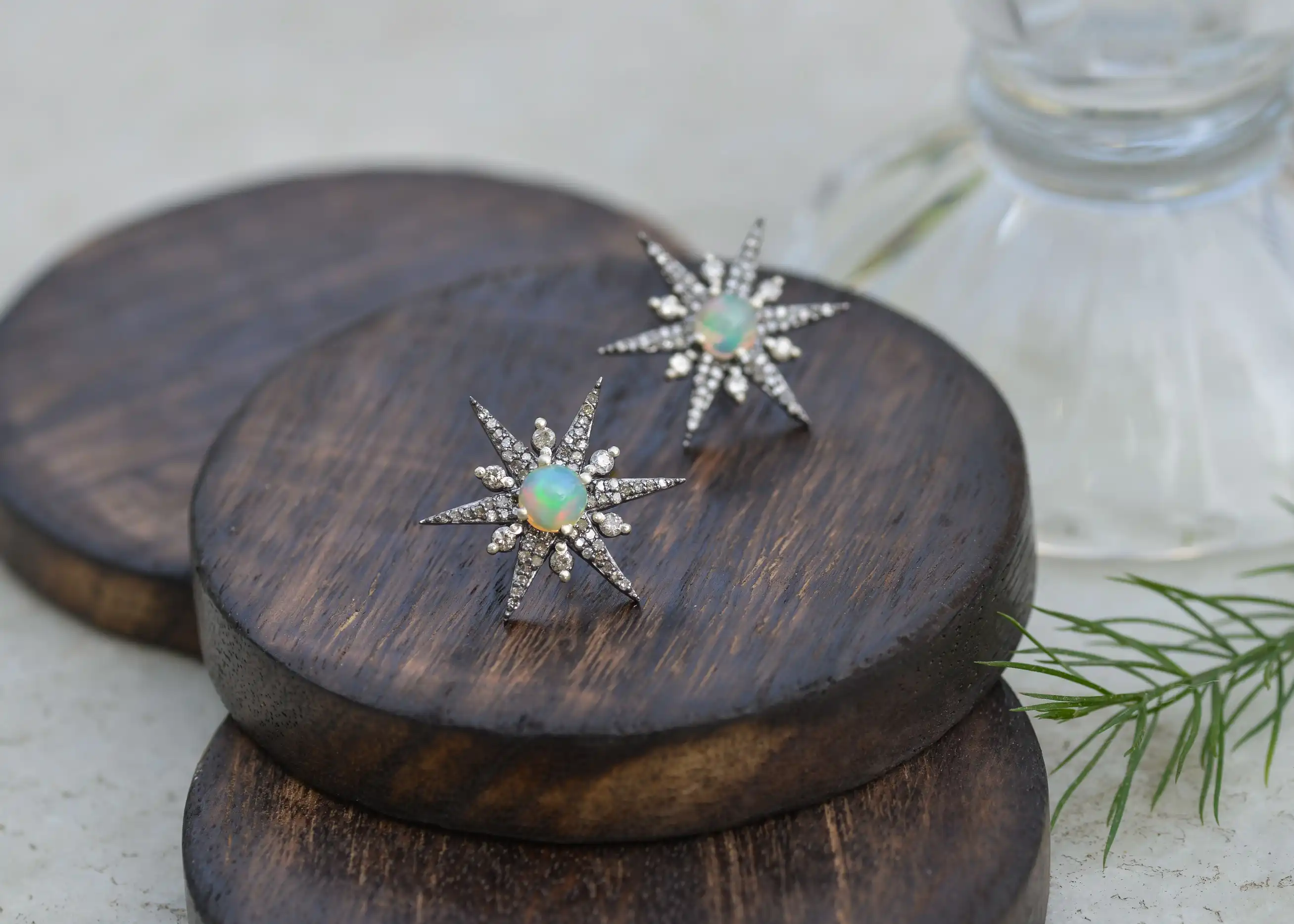
An opal's value depends on its type, play-of-color, pattern, clarity, cut, and whether it is natural or treated. Black opals with bright red flashes are the most valuable, while white and common opals sell for far less. Because no two stones are alike, a gemologist or recent completed sales give the most reliable estimate.
No two opals are the same. Each stone has its own combination of colors and patterns, making opal jewelry incredibly beautiful to wear but tricky to price.
How much is opal worth? Unlike other jewelry stones or precious metals, there’s no universal market standard price, and two opals of a similar size can appraise and sell for significantly different values.
If you’re thinking about selling a stone or opal jewelry, it pays to know what buyers look for. This guide breaks down the characteristics that influence an opal’s value.
What determines an opal's value? 6 characteristics
Unlike an old pair of gold earrings, you can’t weigh an opal on a scale to quickly calculate its material value. Two stones of the same weight can have completely different color, clarity, or shape characteristics that impact individual resale values.
Here are six characteristics to consider when assessing an opal’s value.
1. Opal type
Jewelers and dealers use dozens of different names and terms for various types of opal, each referring to different appearances and price ranges. The Gemological Institute of America (GIA) breaks opal types down into five main categories: white, black, fire, boulder, and crysta or water opals.
Black opals tend to be the most expensive opal, since they’re relatively rare and contain dark backgrounds that make their colors pop. White opals are more common and generally less valuable.
2. Play-of-color
The flashes of color visible when rotating an opal under light are called play-of-color. An opal’s play-of-color is one of the most influential factors in its value, and some colors are more sought after than others. Red is generally the most valuable, although opals that display several vivid colors can command high prices.
3. Pattern and color distribution
Beyond the colors themselves, buyers pay attention to how they’re arranged across the stone. An opal with flashes covering most of its surface will generally fetch more than one with large patches of little or no color.
Certain patterns are especially sought after. The rare harlequin pattern, for instance, resembles a mosaic of bold color patches. Pinfire opals with tiny, scattered dots are more common and generally less valuable. There are always exceptions for unique stones, such as an Australian opal with rare red-and-black color distribution.
4. Clarity and transparency
Opals range from totally opaque to nearly transparent, and buyers value different characteristics depending on the type of opal. Buyers prize crystal opals for their transparency, while black opals benefit from an opaque background that makes their colors pop. A cloudy or milky appearance that flattens colors, however, can lower an opal’s value.
Cracks and other imperfections that affect clarity will also lower prices. One concern is crazing, a web of tiny cracks that can develop when an opal loses moisture, making it less durable.
5. Cut or shape
Before cutting an opal, jewelers carefully analyze its color, pattern, and clarity to determine the best size or shape for a beautiful display. A well-cut opal shows off its colors from different angles, which can increase its value. While smooth, rounded cuts called cabochons are the standard, an irregular shape can make an opal feel more one-of-a-kind.
6. Treatments and authenticity
An opal’s vibrant colors aren’t always entirely natural. Some stones are treated to make their colors more vivid, while others are synthetic, lab-created opals Then there are doublets and triplets, which bond thin layers of opal to other materials. All can make beautiful jewelry, but natural opal commands the highest price.
Opal price chart
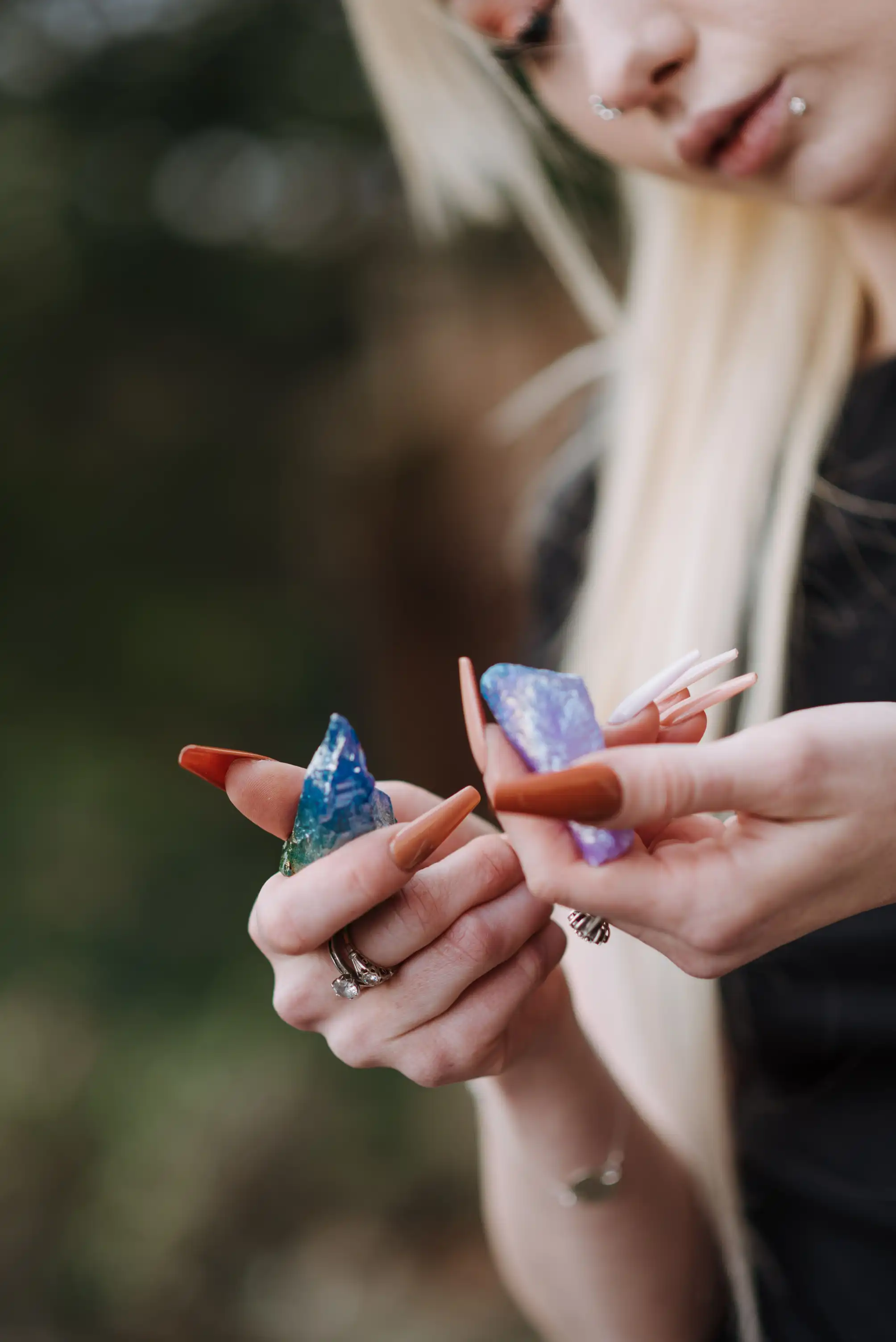
The chart below lists approximate opal prices per carat across five popular types and common commercial gemstone quality grades, including A (standard), AA (good), and AAA (premium). These grades aren’t standardized, and neither are their prices, so the criteria and value can vary between different jewelry appraisals or online sellers.
| Type of opal | Quality | Color intensity | Pattern | Body tone | Clarity | Cut | Carat weight | Opal stone price per carat |
|---|---|---|---|---|---|---|---|---|
| Black opal | AAA | Exceptionally vivid | Harlequin, flagstone | Deep black | No visible imperfections | Expertly proportioned | 1–5 carats | $2,000–$10,000 |
| Black opal | AA | Strong, vibrant flashes | Ribbon, broad flash | Charcoal gray | No visible imperfections | Well-proportioned | 1–5 carats | $1,000–$2,000 |
| Black opal | A | Moderately bright | Pinfire, small flashes | Medium gray | Visible imperfections | Standard finish | 1–5 carats | $500–$1,000 |
| White opal | AAA | Bright, distinct colors | Harlequin, flagstone | Milky white | No visible imperfections | Expertly proportioned | 1–5 carats | $100–$500 |
| White opal | AA | Noticeable color flashes | Ribbon, broad flash | Pale gray | No visible imperfections | Well-proportioned | 1–5 carats | $50–$100 |
| White opal | A | Subtle play-of-color | Pinfire, small flashes | White | Visible imperfections | Standard finish | 1–5 carats | $20–$50 |
| Boulder opal | AAA | Very vivid | Harlequin, flagstone | Dark ironstone | No visible imperfections | Expertly proportioned | 1–5 carats | $300–$3,000 |
| Boulder opal | AA | Strong color flashes | Ribbon, broad flash | Dark ironstone | No visible imperfections | Well-proportioned | 1–5 carats | $100–300 |
| Boulder opal | A | Moderate color display | Pinfire, small flashes | Dark ironstone | Visible imperfections | Standard finish | 1–5 carats | $50–100 |
| Crystal opal | AAA | Bright color flashes | Harlequin, flagstone | High clarity and transparency | No visible imperfections | Expertly proportioned | 1–5 carats | $500–$5,000 |
| Crystal opal | AA | Bright color flashes | Ribbon, broad flash | Partial transparency | No visible imperfections | Well-proportioned | 1–5 carats | $200–$500 |
| Crystal opal | A | Moderate color display | Pinfire, small flashes | Translucent | Visible imperfections | Standard finish | 1–5 carats | $100–$200 |
| Fire opal | AAA | Rich, saturated color | Harlequin, flagstone | Deep orange to red | No visible imperfections | Expertly proportioned | 1–5 carats | $50–$300 |
| Fire opal | AA | Bright, noticeable color | Ribbon, broad flash | Orange | No visible imperfections | Well-proportioned | 1–5 carats | $20–$50 |
| Fire opal | A | Soft color | Pinfire, small flashes | Yellow, orange | Visible imperfections | Standard finish | 1–5 carats | $10–$20 |
How to estimate an opal's value before selling
Even with so many quality factors to consider, you can still come up with a rough estimate of your opal’s value on your own before selling your jewelry:
- Identify the opal type: Is it black opal, white opal, or another variety? Check any paperwork you have, or compare your stone with photos from the GIA to narrow down the possibilities.
- Assess the stone's quality and characteristics: How bright are the colors? Does the color appear evenly across the stone, or is it concentrated in small dots or patches? Check for visible damage, and take a few clear photos in natural light from different angles.
- Find out if it’s natural or treated: Some treatments are difficult to spot, and synthetic opals can look pretty convincing. If you’re unsure, a gemologist can help.
- Look for any old paperwork: Still have the original receipt or gemological report? These documents might tell you more about carat weight and authenticity or help determine whether your stone is a Mexican fire opal from Querétaro or an Ethiopian opal from the Welo region.
- Compare relevant market prices: Compare stones similar to yours in type and quality, using records of recent completed sales rather than active asking prices. Completed sales show what buyers have actually paid, while active listing prices reflect what sellers hope to receive and are typically higher than what the market may bear. Look for several comparable recent sales to get a more realistic sense of your opal’s potential value.
Get a free appraisal valuation for your opal with Unvault
Price charts can give you a ballpark figure, but they can’t tell you exactly what your opal is worth. Every stone is special, and what a buyer will pay depends on its unique qualities.
Are you curious about how much your black opal is worth, or what someone might pay for teal stone earrings? Unvault’s free, no-obligation valuation gives you a better sense of your jewelry’s resale value. Share a few photos and details to get started, then explore your selling options without any pressure to commit.
Begin your online jewelry appraisal with Unvault.
Frequently asked questions
Know what your jewelry is worth before you sell.
Monthly gold-price context and hallmark guides from Unvault’s gemologists. No spam, unsubscribe anytime.
Related posts
Ready to see what your jewelry is worth?