
14K gold price today
14K gold is worth approximately $77.76 per gram today, based on the current gold spot price. Use the calculator to estimate the gold value of a 14K or 585 ring, chain, bracelet, necklace or other piece.
Get a free online valuation for your gold with Unvault
14K gold price by weight
How much is your 14K gold worth?
Enter the weight of your item to estimate the current value of its gold content.
What a typical 14K piece is worth in gold
What Is 14K Gold Worth? What 14K Really Means
Pure gold is 24 karats, or 99.9% gold. 14K gold contains about 58.3% pure gold, mixed with other metals such as copper, silver, or nickel which makes it stronger and more durable than higher-purity alloys. The common hallmark is "585", signifying 585 parts of gold out of 1,000.
Here is how 14K compares to other karats:
- 24K (99.9 % pure): bright yellow, very soft and rarely used for everyday jewellery.
- 18K (75% pure): richer colour, softer than 14K, and more expensive.
- 14K (58.3 % pure): a balance of strength, durability and value; widely used for rings, chains and earrings.
- 10K (41.7 % pure): more affordable but paler in colour, and legally the minimum karat considered gold in some markets.

How To Calculate 14K Gold Price Per Gram
Estimating the worth of a 14K piece involves more than just looking up the price per gram. You need to know its weight, purity and the current spot price of pure gold. A common formula for the melt value (the value of the gold content alone) is:
Melt value = Weight (grams) × Purity fraction (0.583 for 14K) × Spot price of pure gold
A seller’s payout factor, which reflects refining costs and dealer profit, reduces the amount you receive to around 60–90 % of melt value. For example, a 5‑gram 14K ring with a spot price of $120 per gram would have a melt value of roughly $349.98, but if a buyer pays 70 %, you would receive about $245.
When assessing a piece, be sure to:
- Weigh it accurately: Gold weight is measured in grams or troy ounces; 1 troy ounce equals 31.1035 grams.
- Confirm the hallmark: Look for stamps such as “14K” or “585” on a ring band; these markings indicate purity.
Check the spot price: Because 14K is only 58.3 % gold, multiply the pure gold price per gram by 0.583 to estimate the metal value.
Factors That Influence a 14K Gold Piece's Worth
The melt value is just the floor. The actual price of a 14K piece depends on:
- Diamonds or gemstones — valued separately from the gold, and can be worth more than the metal
- Brand or designer — Tiffany, Cartier, David Yurman pieces carry a significant premium over melt value
- Design and craftsmanship — a well-made piece from a respected maker commands more than its weight alone
- Condition — scratches and dents reduce offers slightly, but rarely dramatically
- Market demand — in-demand styles fetch higher prices; outdated designs may only be valued at melt
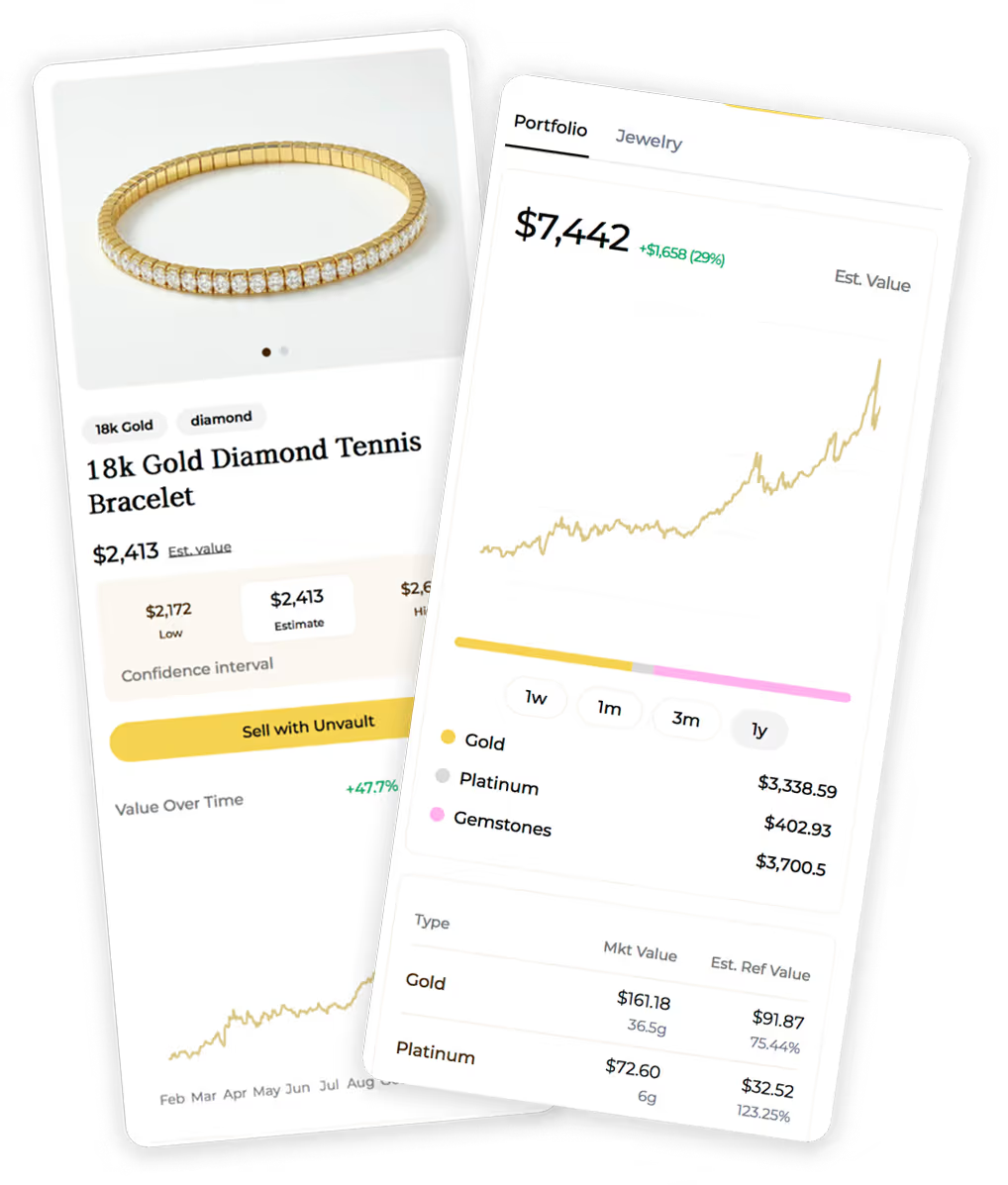
The only way to know what YOUR piece is worth
A gold price calculator tells you the metal value. It does not account for the diamond in the setting, the brand stamp on the inside, or the specific weight of your piece. The only accurate number comes from someone who actually looks at the item, not a formula.
Unvault does this for free, with a full transparent breakdown, in under 24 hours.
** Sellers should get quotes from multiple buyers before deciding — the spread on the same piece can be $200 or more
Find out what your 14K gold jewelry is actually worth. Get a free valuation →
Understand what your 14K gold could sell for
A gold calculator estimates metal value. An Unvault appraisal considers the complete item, including its 14K gold, gemstones, maker, design and condition.
Upload photos

Receive your estimate
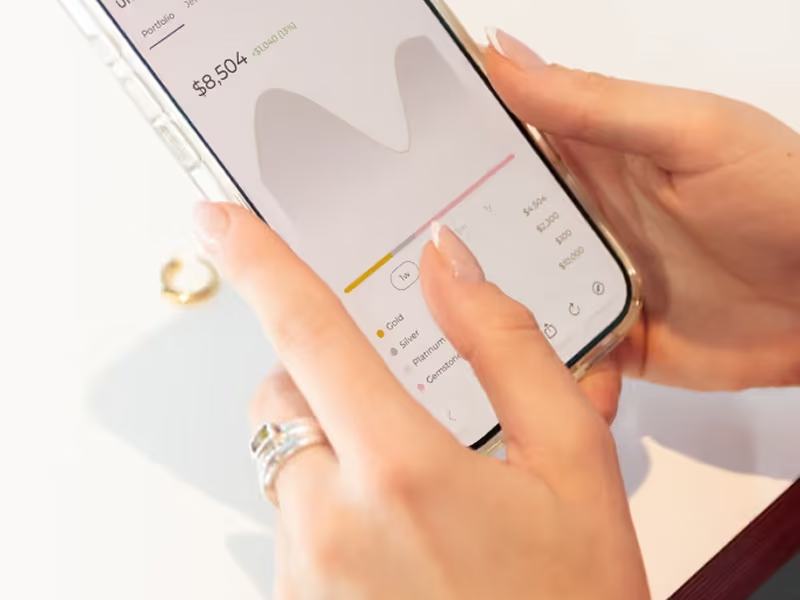
Sell when ready

In less than a minute, you’ll receive a detailed valuation.
Get Instant Valuation