New: Unvault featured on Bloomberg

Most people looking to sell designer jewelry already have a specific piece, whether it is from Cartier, Tiffany, Van Cleef, David Yurman, or another luxury brand. They want to know what it is worth, who will buy it, and whether they are getting a fair offer.
Designer jewelry is different from scrap gold because the brand, craftsmanship, and provenance can add significant value. Before selling, identify the maker, gather any original documents or packaging, and get a transparent valuation that explains exactly what your piece is worth.
Most sellers rush this.
The ones who don’t get paid significantly more.
01
02
03
04
05
Unlike gold, designer jewelry does not have one universal spot price.
The price of a signed piece is the sum of three layered values:
When a buyer evaluates a signed piece, they are checking four things before they price anything:

The terminology gets used interchangeably, but the resale market evaluates them differently.
Signed designer pieces: judged on the maker first, then the materials. A verified Cartier, Tiffany, or Van Cleef piece is priced against comparable sales of that exact model — not melted down to its metal weight. Original box, papers, and an intact hallmark all move the number.
Unsigned fine jewelry: judged as materials plus craftsmanship. Without a maker’s mark, the valuation falls back to metal purity and weight, stone grading, and design quality. If that describes your piece, the diamond valuation guide is the more useful starting point.
Do not clean or repair aggressively before selling. Light cleaning may improve presentation, but heavy polishing can remove metal, soften engravings, or strip the original finish — which reduces the appeal of collectible and vintage designer pieces. Do not replace stones, clasps, or other parts before receiving professional advice. Original components may add value even when they show some signs of wear.
Knowing which category you are in changes who you should sell to. A pawn shop will price both the same way; a designer resale specialist will not.
The brand name is only part of the final offer. The actual price depends on several details.
Authentication: a legible hallmark and serial number make the piece easy to verify and attract stronger buyer interest.
Collection and rarity: limited-edition, discontinued, and iconic designs outperform standard current-line pieces from the same house.
Completeness: box, papers, certificate, warranty card, and service records can meaningfully raise the offer.
Condition: scratches, dents, worn prongs, stretched links, or a damaged clasp reduce offers.
Prior repairs: replaced stones, aftermarket clasps, and over-polishing all read as value loss to a specialist buyer.
Materials: platinum and 18K settings carry more metal value than plated or silver pieces. If you’re weighing whether to sell an 18K gold piece, the metal is priced separately.
Market demand: classic shapes and evergreen collections sell faster than dated styles.
If you plan to sell a designer engagement ring, these details matter even more. Signed rings often carry emotional history, but buyers still focus on resale value. A transparent valuation helps separate sentimental value from market value.
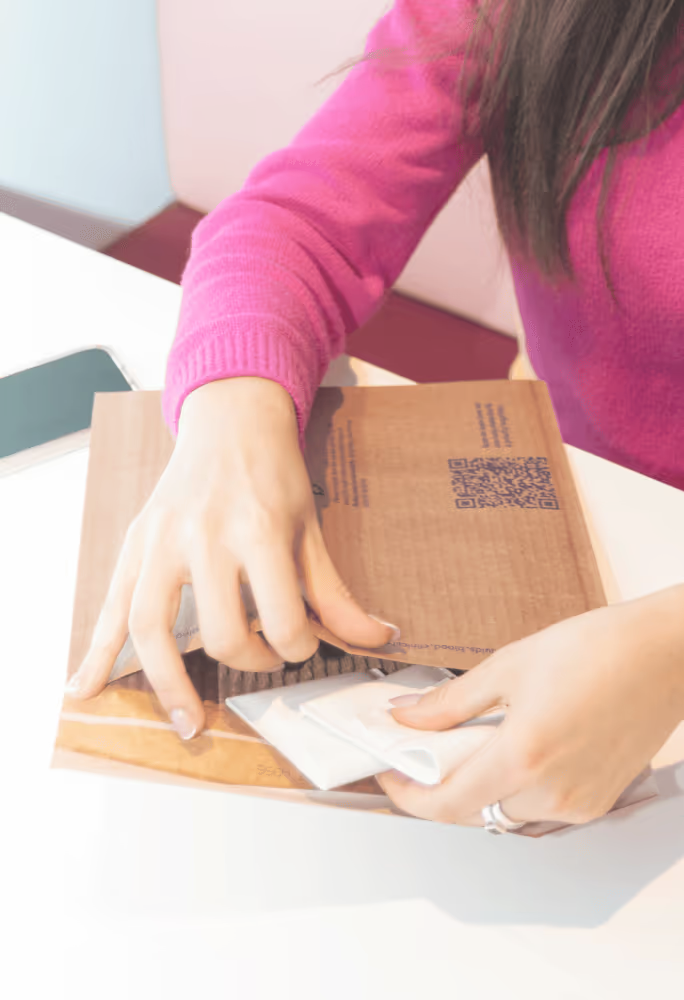
Protect the jewelry during shipping:
Use insured and trackable shipping when sending jewelry to an online buyer.
Photograph the item and the packaging before sealing the parcel.
Do not put luxury brand names — or the original retail packaging — on the outside of the box.
Keep tracking details, receipts, appraisal records, and all buyer communication until payment clears.
Prefer buyers who send a prepaid, fully insured label rather than asking you to arrange your own.
Many people begin with a local jeweler, pawn shop, or gold buyer.
That can work, but it often leaves sellers unsure whether the offer reflected the brand at all.
Here’s how to get a fair price.