
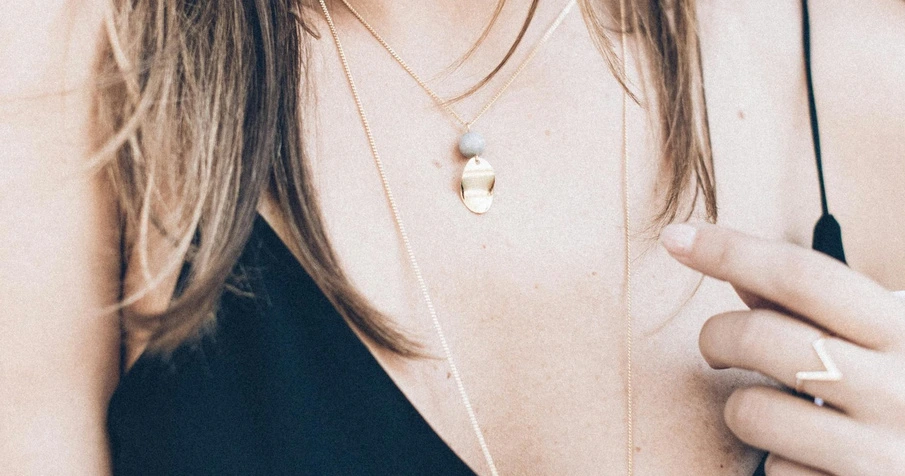
Your jewely has a real financial value. The question is whether you're getting the right number or someone else's version of it.
The Real Problem Isn't Getting an Appraisal
It’s not knowing which value you’re being given. There are at least three different ways to value a piece of fine gold jewelry, and each one produces a very different number.
This guide explains exactly how the gold appraisal process works, what it should cost, what determines your piece's worth, and how to make sure the number you're given is the one that actually matters to you.
What Is a Gold Appraisal?
A gold appraisal is a professional assessment of what your gold jewelry is worth. Simple enough, except the value you receive depends entirely on the purpose of the appraisal.
The same piece of jewelry can carry three different price tags depending on who's asking and why.
An appraisal is an opinion of value, backed by methodology and market data. It's also a snapshot in time.
An appraisal report reflects what your piece was worth on the date it was evaluated, based on that day's gold market prices. That's why most professionals recommend updating appraisals every two to three years.
Unvault offers free AI-powered valuations in about 60 seconds, with no commitment required.

Retail replacement value
This is the highest number you'll see; the cost to replace your piece at a jewelry store that regularly sells that type of item. This is the figure insurance companies use for insurance purposes.
If your 14K gold necklace was appraised at $2,800 for insurance, that doesn't mean someone will pay you $2,800.
Fair market value
This is what a willing buyer would pay a willing seller, with neither under pressure. Estate planners, divorce attorneys, and the IRS use this figure.
It's also the basis for probate appraisals, charitable donation appraisals, and loan collateral appraisals. Always lower than retail replacement because it removes the markup.
Resale or liquidation value
Sometimes called the immediate liquidation value, this is the amount you'd actually receive if you sold today. Almost always the lowest of the three: often 50–85% of the gold's melt value, depending on where and how you sell.
Appraisal Report vs. Gemstone Grading Report
This is a distinction worth clearing up early:
- A grading report, issued by a gemological laboratory like the Gemological Institute of America (GIA), describes the physical characteristics of a diamond or gemstone (cut, clarity, carat weight, color) but does not assign a dollar value. Certified gemologists produce these reports.
- An appraisal report takes that grading information, combines it with the metal content, craftsmanship, and current market data, and arrives at a value.
Same bracelet. Three numbers. All technically correct. When someone tells you what your jewelry is "worth," your first question should be: worth for what purpose?
What Determines the Value of Gold Jewelry?
Like all precious metals, gold is valued by a combination of weight, purity, and current market conditions.
Weight
Gold is weighed in grams or troy ounces (one troy ounce equals 31.1 grams). More gold means more value.
Purity
This refers to how much of the piece is actually gold. The karat stamp tells you: 10K is 41.7% gold, 14K is 58.3%, 18K is 75%, 24K is 99.9%.
That stamp, sometimes marked as 417, 585, 750, or 999, is one of the first things an appraiser looks for.
The current gold spot price
This is the live market price for one troy ounce of pure gold. With market prices that have more than doubled since 2020, the metal content in your jewelry may be worth significantly more than you'd expect.
Craftsmanship, brand, and gemstones
These can all add value beyond the raw metal. Pieces with complex manufacturing techniques like hand-engraving or filigree work may be worth more than their melt value.
A qualified appraiser evaluates both the measurable facts (weight, materials, hallmarks) and the more subjective features (gemstone quality, rarity, condition, and design complexity).
Melt Value = Weight (in grams) × Purity Percentage × Current Gold Price Per Gram
A 14K gold chain weighing 30 grams could easily be worth $2,500–$3,000 in raw gold alone. That's a baseline (not necessarily what you'd receive from every buyer) but a grounded starting point.
How Much Does a Gold Appraisal Cost?
A professional gold jewelry appraisal typically costs $50–$200 per piece. Most appraisal services charge a flat fee per item or an hourly rate ($50–$150).
Some types of jewelry take longer to evaluate and cost more, including:
- Antique pieces
- Designer items
- Anything with significant gemstones
One important rule
A reputable online jewelry appraiser will never charge a percentage of your jewelry's value. That creates a conflict of interest. If someone quotes you a percentage-based fee, it's a red flag.
For insurance appraisals, expect the higher end. For a fine jewelry piece like an engagement ring, the report includes photographs, measurements, gemstone grades, metal analysis, and a formal written document.
For resale-focused appraisals, the process is faster.
Local Gold Appraisal vs. Online
Local jewelers
These offer face-to-face interaction, but some have a financial interest in buying your piece, which can influence the number. Choose an independent appraiser or get a second opinion.
Certified independent appraisers
Professionals whose only job is valuation. Look for GIA Graduate Gemologist (GG), American Society of Appraisers (ASA) designation, or membership in the National Association of Jewelry Appraisers (NAJA).
Those organizations require advanced appraisal training, ethical standards, and continuing education. Ask whether they follow USPAP (the Uniform Standards of Professional Appraisal Practice), which governs appraisal methodology in the United States.
Online appraisal platforms
This option lets you upload photos and receive a valuation from home. Unvault combines AI-driven photo analysis with real-time precious metal pricing to deliver an instant valuation in about 60 seconds with no obligation, no shipping, no cost.
The best approach for many people: use a free online valuation as a baseline, then consult a certified appraiser if you need a formal document for insurance or legal purposes.
How to Know If Your Gold Is Real
Look for hallmark stamps
10K, 14K, 18K, 22K, or 24K, typically found on clasps, inner bands, or the back of pendants.
Try the magnet test
Gold is not magnetic, but passing the test alone doesn't confirm authenticity. It rules things out. It doesn't rule things in.
Check for discoloration
Real gold doesn't tarnish or turn your skin green.
Professional verification
XRF or acid testing determines exact purity. For significant gemstones, a gemological laboratory like GIA, AGS, or IGI can provide a formal grading report.
Insurance Appraisal vs. Resale Value: Why the Numbers Don't Match
You have an insurance appraisal that says your diamond engagement ring is worth $5,000, but selling offers come in at $1,500–$2,500. Both numbers can be accurate—they're measuring different things.
Your insurance appraisal reflects retail replacement value, or what it would cost to buy a comparable piece new at a jewelry store.
Resale value strips that away. A buyer on the secondary market isn't paying retail market prices; they're paying based on the intrinsic value of the materials plus whatever premium the piece commands for brand, craftsmanship, or rarity.
This gap isn't a scam. It's how markets work. And there's a related wrinkle: many insurance companies work with designated jeweler networks and replace pieces through their own suppliers at lower market prices than the appraised figure.
Never use your insurance appraisal as a benchmark for what you'll receive when selling.
Estate Jewelry: Inherited Pieces
Inherited fine jewelry carries layers beyond metal and stone. Age doesn't automatically equal higher value — some pieces are valuable for rarity or provenance, others primarily for gold content.
Whether you plan to keep, sell, insure, or divide inherited jewelry, get an appraisal first. Read our guide on how to sell inherited jewelry before making any decisions.
Emotional value and financial value are two different things.
A diamond ring or engagement ring forgotten in a drawer could contain thousands of dollars in gold. Some people discover that selling one or two less meaningful inherited pieces funds the insurance or restoration of the ones they truly want to keep.
That's not disrespectful. That's thoughtful stewardship.
Red Flags: How to Avoid Getting Lowballed
Predatory practices are common in the jewelry business. Be wary of inflated appraisals; the FTC has guidelines around this, and intentionally inflating an appraised value is considered unethical.
Watch for offers well below melt value. If you've checked the spot price and done the math, an offer at half that number is a lowball.
Never feel pressured to decide on the spot, and always get multiple valuations.
How Unvault Approaches Gold Valuation Differently
Upload photos from your phone, receive an AI-powered valuation in about 60 seconds backed by live precious metal pricing.
Build a digital jewelry portfolio that tracks value over time.
If you decide to sell: fully insured shipping, video-documented authentication, and payouts up to 30% higher than traditional buyers.
If the final offer doesn't feel right, your jewelry is returned at no cost.
Unvault isn't a gold buyer. It's an evaluation and selling platform built by Wharton-trained founders who believe people who own valuable things deserve to understand exactly what those things are worth.
Frequently Asked Questions
How much is my gold necklace worth?
It depends on weight, purity (karat), and the current gold spot price. A 14K gold necklace weighing 20 grams is likely $1,500–$2,000 in melt value alone.
Is there a difference between a gold appraisal and a jewelry appraisal?
A gold appraisal focuses on precious metal content.
A jewelry appraisal is broader with gemstones, craftsmanship, and brand provenance.
If it's a diamond engagement ring or other diamond jewelry, you'll want the full jewelry appraisal.
What's the difference between 10K, 14K, 18K, and 24K gold?
The karat number indicates purity. 10K is 41.7% pure, 14K is 58.3%, 18K is 75%, 24K is 99.9%.
Most American jewelry is 10K or 14K because those alloys balance value with wearability.
Where can I sell gold jewelry for the best price?
Online platforms typically pay 70–85% of gold's melt value, compared to 50–60% at pawn shops and cash-for-gold stores.
What types of gold appraisals are there?
Insurance replacement appraisals, fair market value appraisals (estate planning, divorce, tax), and immediate liquidation value appraisals (what you'd receive selling gold today).
Also, probate, charitable donation, and loan collateral appraisals.
What's the difference between an appraisal report and a grading report?
An appraisal report assigns a dollar value. A gemstone grading report (GIA, AGS) describes physical characteristics (cut, clarity, carat weight, color), but does not include a value. You may need both.
Know Your Number Before You Decide Anything
A gold appraisal isn't a commitment to sell. It's a commitment to knowing.
With gold market prices near historic highs and over $1 trillion in personal gold jewelry sitting in American homes, there's a good chance you're holding more value than you realize.
Whether you're selling gold jewelry or keeping every piece, understanding that value is an informed decision.
Unvault gives you a free, instant, AI-powered valuation from your phone. Start your free jewelry appraisal — no shipping, no commitment, no pressure.
Know what your jewelry is worth before you sell.
Monthly gold-price context and hallmark guides from Unvault’s gemologists. No spam, unsubscribe anytime.
Related posts
.webp)


Ready to see what your jewelry is worth?