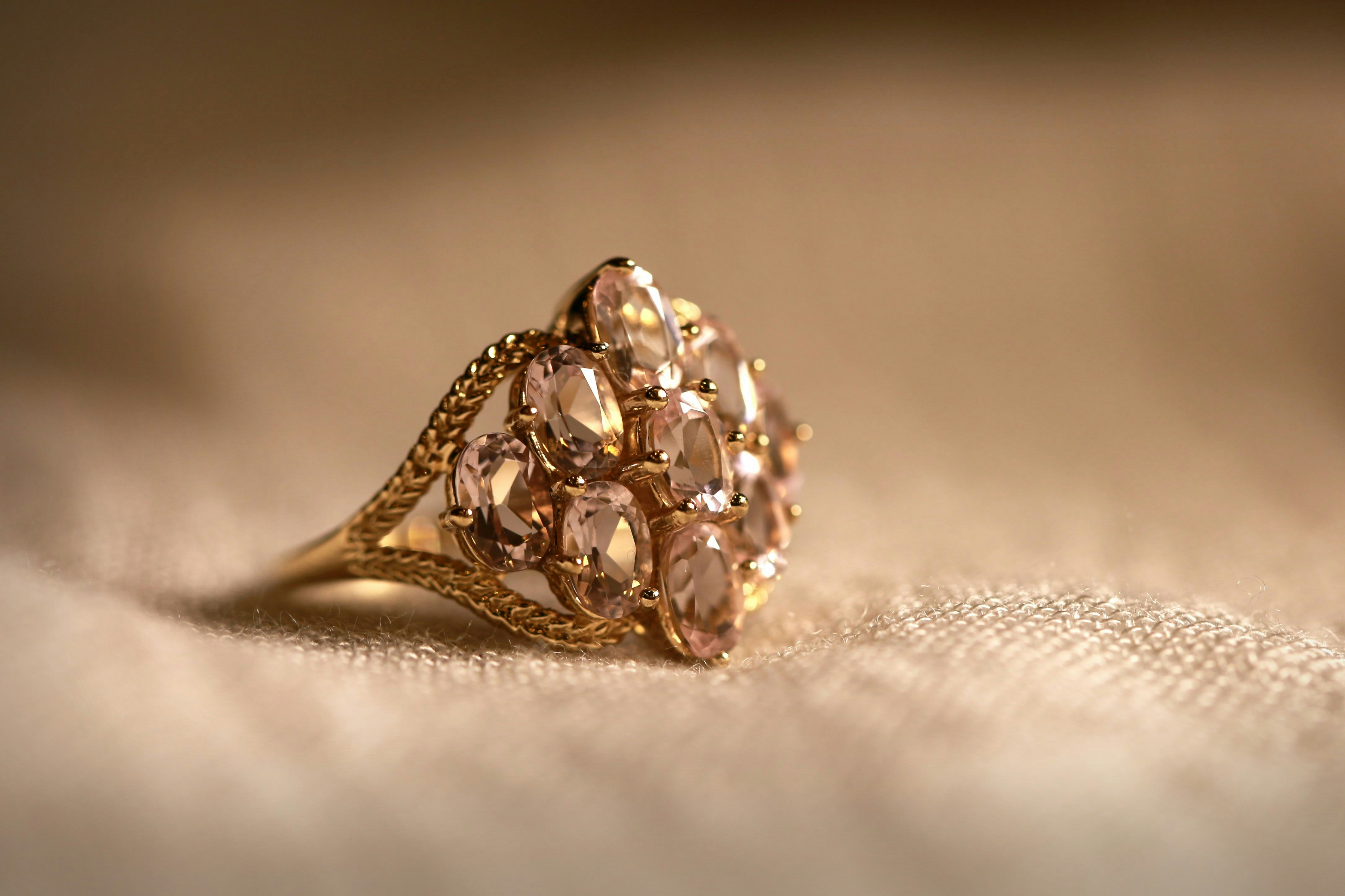
What Is Estate Jewelry? Vintage vs. Antique vs. Estate
The terms get used interchangeably, but they mean different things — and the label affects the price.
- Antique jewelry is generally 100 years old or more. Think Georgian, Victorian, Edwardian, and Art Nouveau pieces. When you sell antique jewelry, age and historical accuracy matter as much as materials.
- Vintage jewelry is typically 20 to 99 years old. This covers Art Deco, Retro, Mid-Century, and Modernist pieces, anything from the 1920s through the early 2000s.
- Estate jewelry is the broadest category. So what is estate jewelry? Technically, it’s any pre-owned jewelry, regardless of age. A ring sold ten years ago can be marketed as estate jewelry. The label says nothing about era or quality on its own.
These categories overlap. A 1930s Cartier ring can accurately be called antique, vintage, and estate jewelry. The question for sellers is which framing gets you the best offer and that depends on the buyer.
What Determines the Value When You Sell Antique Jewelry
The price of a vintage piece comes down to several layers stacked on top of each other:
- Metal content. Gold, platinum, and silver have a melt value that sets the floor. A 14K gold Art Nouveau pendant is worth at least the weight of its gold, no matter what.
- Gemstones. Old-cut diamonds, untreated sapphires, natural pearls, and certified rubies are valued separately and can dwarf the metal value. Older cuts (rose cut, old mine, old European) are increasingly sought after.
- Maker and provenance. Tiffany, Cartier, Van Cleef & Arpels, Bulgari, David Webb, and other recognized houses command premiums. So do regional makers with collector followings.
- Era and design. Art Deco and Retro pieces from the 1920s–1940s are particularly in demand right now. Victorian mourning jewelry, Georgian rivières, and signed Mid-Century pieces also draw strong interest.
- Condition. Original components matter. A piece with replaced stones, modern repairs, or shortened chains generally drops in value. Pristine, untouched examples sell at the top of the market.
- Hallmarks and documentation. Maker’s marks, country marks, original boxes, receipts, and prior appraisals all add confidence and price.
The melt value is the floor, not the ceiling. A 5-gram 14K gold band might be worth $250 melted. The same 5 grams in a signed 1925 Art Deco engagement ring with old European cut diamonds could be worth thousands.
How to Sell Vintage Jewelry: A 5-Step Pre-Sale Checklist
Before you decide where to sell vintage jewelry, you need a real number, not a guess from a Google search. Here’s how to get there:
- Check the hallmarks. Look for purity stamps (14K, 18K, 750, 925, PT950) and maker’s marks. A loupe helps. Photograph anything you find.
- Weigh the piece. A digital jewelry scale gives you grams. This sets the metal floor.
- Identify the gemstones. Note the cut style, approximate carat weight, and any color or clarity indicators. If you have a GIA report or older appraisal, pull it out.
- Date the piece. Construction details — pin stems, clasp styles, setting techniques — are often more reliable than memory or family stories.
- Get it tested and appraised. Stamps lie, hallmarks wear off, and “diamonds” in old settings sometimes turn out to be paste or synthetics. A professional uses electronic testers, X-ray fluorescence, and gem identification to confirm what’s really there.
This is the step most sellers skip and it’s the one that costs them. The spread between buyers on the same vintage piece can easily be $500 or more, especially when a brand or signed maker is involved.
Where to Sell Vintage Jewelry: Your 6 Real Options
Once you know what you have, the question becomes who’s likely to pay for it. Each option has trade-offs.
- Auction houses (Sotheby’s, Christie’s, Bonhams, regional auctioneers). Best for high-end, signed, or rare pieces. They reach serious collectors but charge seller’s commissions of 10–25% and the timeline can run months.
- Specialty vintage and antique dealers. Good for signed designer pieces and recognizable eras. They pay below retail but understand what they’re buying. Look for members of trade associations like the Jewelers Board of Trade.
- Consignment shops. You wait until the piece sells, then split the proceeds (typically 50/50 to 70/30). Slower, but often nets more than an outright sale.
- Online marketplaces. If you’re trying to search online about how much your 14kt gold is worth, for example, you’ll get closer to retail, but you handle photos, shipping, returns, and authentication disputes yourself. Fees range from 6–20%.
- Pawn shops and “we buy gold” stores. Fast, but they almost always pay melt value and ignore vintage premiums entirely. Avoid these for anything signed, antique, or set with significant gemstones.
- Specialist online buyers. Services that handle valuation, authentication, and offers digitally — usually with national reach and competitive pricing because they aren’t paying for storefront overhead.
There is no single best answer. A signed 1940s Cartier brooch belongs at auction. A 14K gold chain from the 1980s belongs with a buyer who pays a fair percentage of melt. Mixing them up is how sellers leave money on the table.
How to Sell Vintage Jewelry Online Without Losing Money
Most sellers today choose to sell vintage jewelry online — it’s faster, the buyer pool is national, and you don’t have to drive piece-by-piece to local shops. But online selling has its own pitfalls. A few rules apply across every channel, with extra emphasis on digital sales:
- Get more than one offer. The spread between buyers on the same piece can be $200 or more, even on simple gold. On signed or gemstone pieces, the spread can run into the thousands.
- Use insured, tracked shipping. Standard mail isn’t enough for high-value pieces. Reputable online buyers provide pre-paid, insured labels. Never ship without one.
- Don’t clean it. Aggressive polishing removes patina that collectors actually want, and can damage softer stones. Let the buyer’s professional handle any cleaning.
- Keep originals together. Boxes, papers, certificates, and receipts add real value online and off. Don’t toss them.
- Be honest about the condition. Disclose repairs, replacements, and damage upfront. Discoveries mid-transaction kill deals, especially in online disputes.
Watch the timeline. Auctions can take months; online listings can take weeks; specialist online buyers can close in days. Pick the channel that matches your urgency.
The only way to know what YOUR piece is worth
Online calculators and price guides work for generic gold by weight. They don’t account for a Tiffany stamp, a 1920s pavé setting, or an old-cut diamond that needs to be examined under magnification. The only accurate number comes from someone who looks at the piece itself.
Unvault does this for free, with a full transparent breakdown, in under 24 hours — including vintage and antique pieces, signed designer jewelry, and estate items.
Find out what your vintage jewelry is actually worth. Get a free valuation or learn more through our online jewelry appraisal page →
Frequently Asked Questions
What is estate jewelry?
Estate jewelry is any pre-owned jewelry, regardless of age. It can be modern, vintage, or antique, the term simply means it has had a previous owner. Most jewelry sold through estates, auctions, and second-hand dealers falls under this label.
What’s the difference between vintage and antique jewelry?
Vintage jewelry is typically 20 to 99 years old. Antique jewelry is 100 years or older. When you sell antique jewelry, age, era authenticity, and historical detailing are major value drivers, often more important than the metal weight alone.
Where is the best place to sell vintage jewelry?
It depends on the piece. Signed designer or rare antique items belong at auction or with a specialty dealer. Standard vintage gold and silver pieces typically sell best through specialist online buyers who pay competitively above melt value. Avoid pawn shops for anything with collector value.
Can I sell vintage jewelry online safely?
Yes, if you choose the right buyer. Look for established services with transparent valuation, insured shipping, BBB accreditation, and reviews. Get more than one quote before committing, and never ship without insured, tracked labels.
Do I need an appraisal before I sell vintage jewelry?
A formal appraisal isn’t required, but a professional valuation is. Stamps and hallmarks alone don’t confirm karat, gemstone type, or designer authenticity. A proper test using electronic and X-ray fluorescence verification is the only way to know what your piece is actually worth.