
If you’ve ever opened your jewelry box and wondered how much those rings, chains, or earrings are actually worth today, you’re not alone. Most people assume the value is close to what they paid at a store or what an appraisal document says. In reality, the number is often very different, and that gap is where confusion, mistrust, and bad selling experiences usually begin.
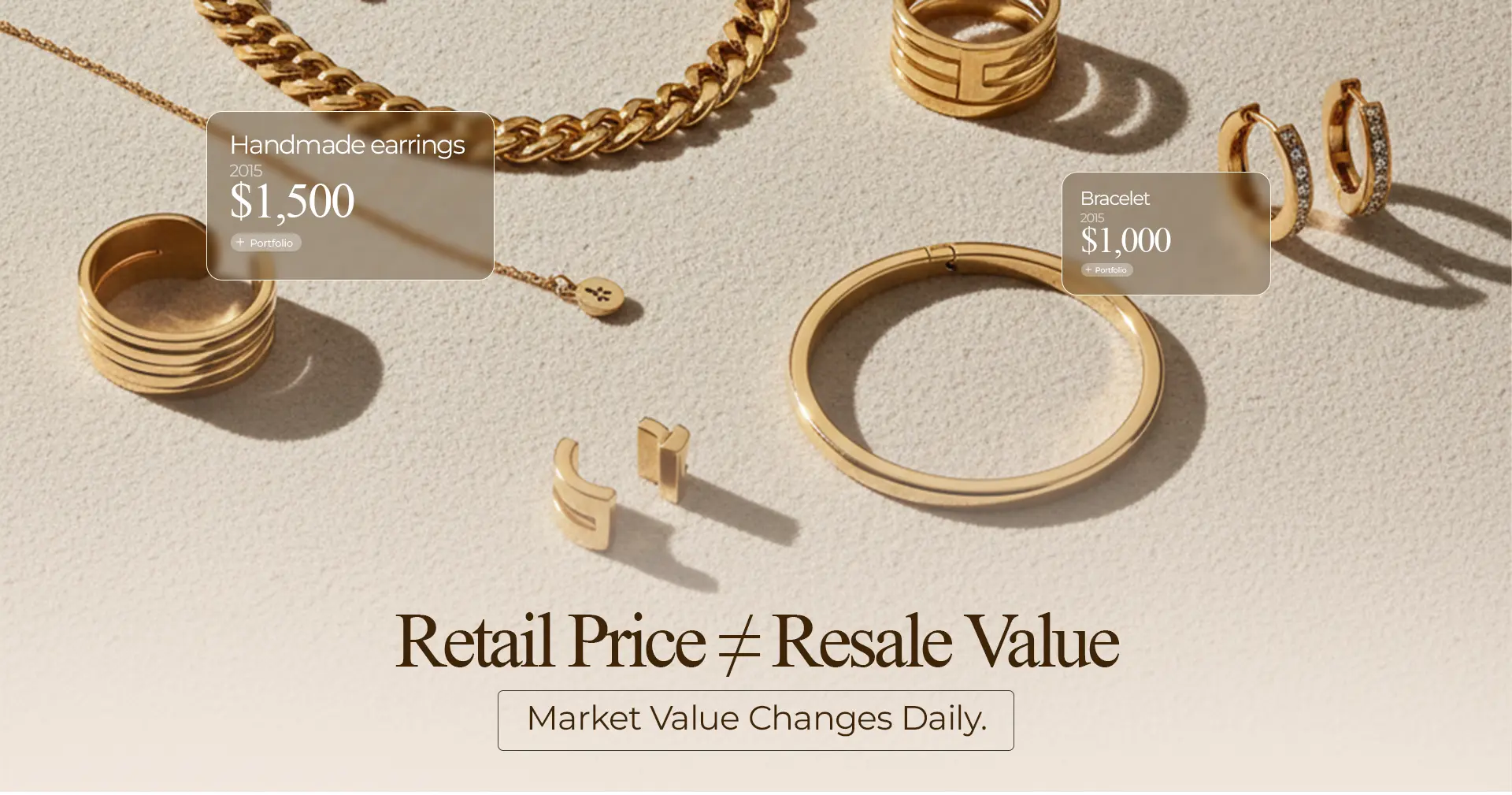
Jewelry in the United States is sold with heavy retail markups. A piece that costs a few hundred dollars to produce can easily sell for two to five times that amount in a store. That markup makes sense for retail, branding, and insurance purposes, but it doesn’t reflect what the jewelry is worth in today’s resale market. When you’re asking what your jewelry is worth now, you’re really asking about its current market value, not its emotional value or replacement cost.
Why Your Jewelry Is Worth Less Than the Appraisal Says?
This misunderstanding is exactly why people feel disappointed when they try to sell jewelry and receive offers that seem shockingly low. The truth is, most buyers aren’t trying to cheat you. They’re pricing your jewelry based on the materials inside it and what those materials are worth right now.
At its core, jewelry value is driven by three main elements: metal, gemstones, and any additional craftsmanship or brand premium. Gold, silver, and platinum are valued based on weight and purity. Diamonds and gemstones are evaluated separately based on quality. Any design or brand premium only applies in rare cases and usually matters far less than people expect.
How Gold Price, Purity and Gemstones Decide What Your Jewelry Is Worth?

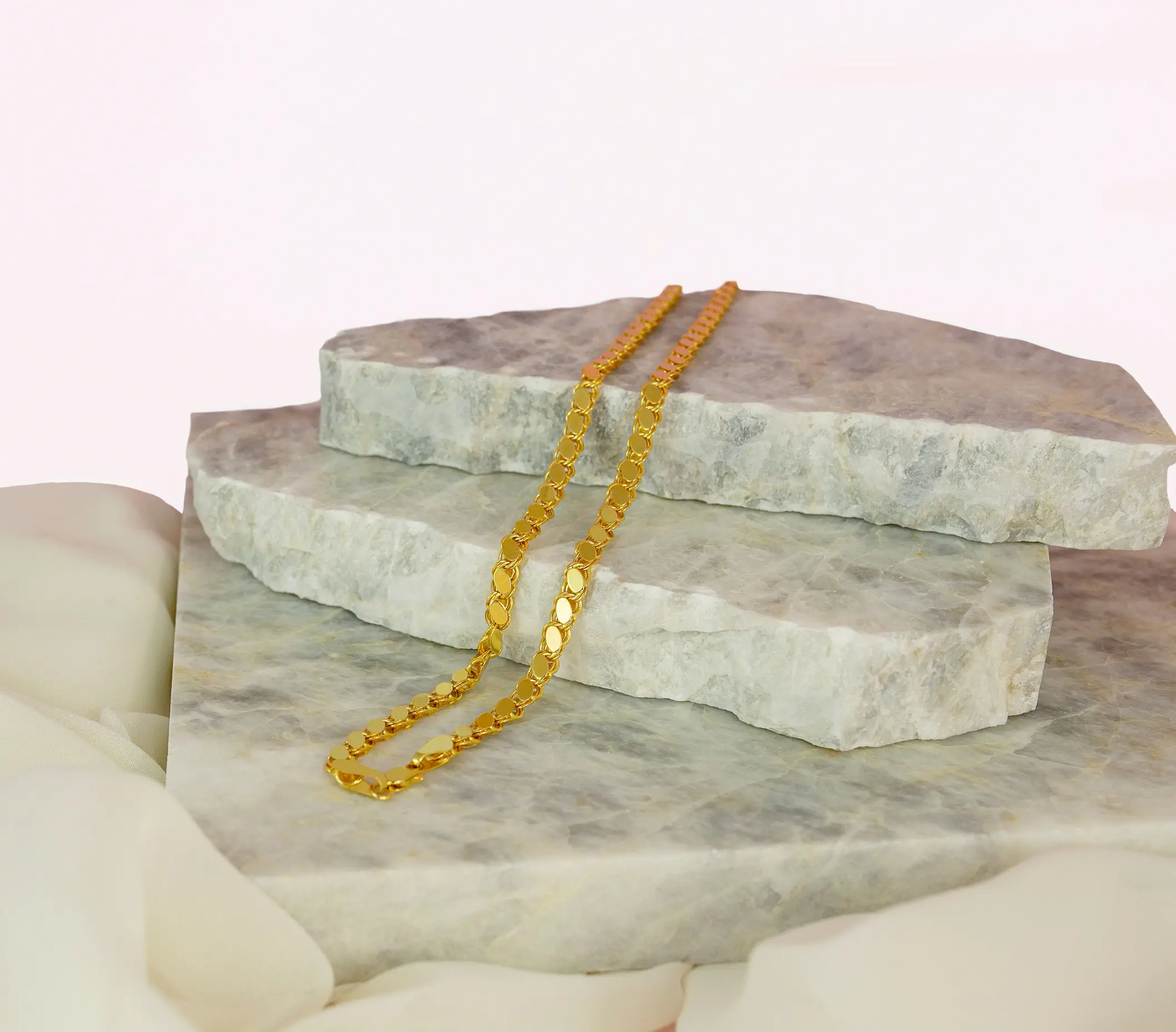
Gold is the easiest place to start. Its value is tied to the global spot price, which changes daily. If your necklace contains ten grams of gold, its base value comes from multiplying that weight by the current spot price and adjusting for purity. Whether the chain once cost a thousand dollars or two thousand dollars at a store doesn’t change the underlying gold value today.
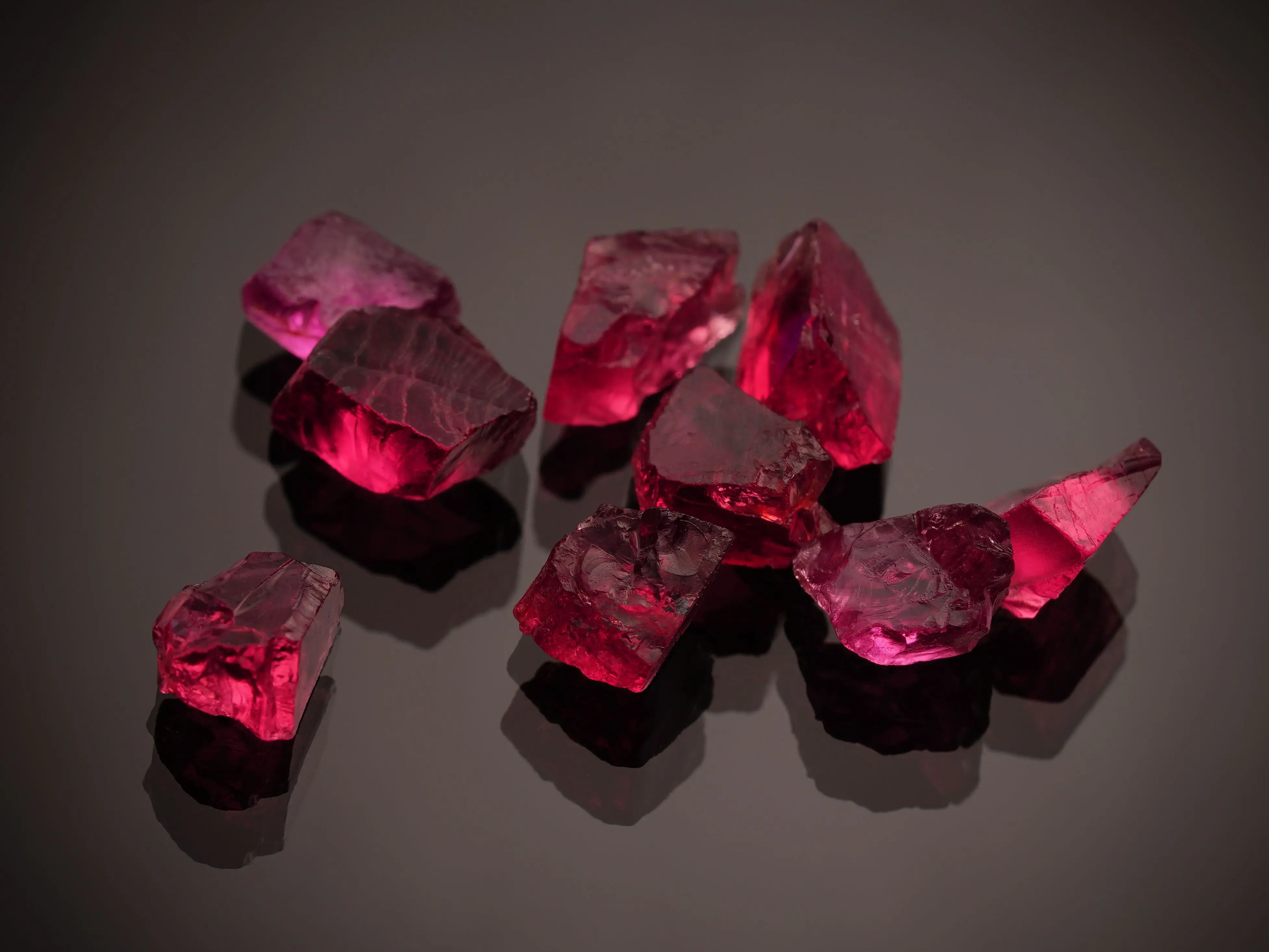
Diamonds and gemstones introduce more nuance. Unlike gold, they don’t have a fixed daily price. Their value depends on factors like color, clarity, cut, and size. Unfortunately, many buyers either avoid valuing gemstones entirely or apply rough estimates that don’t reflect their true worth. That’s why transparent evaluation matters so much in modern jewelry selling.
Another common source of confusion is appraisal documents. Appraisals are designed for insurance, not resale. They represent how much it would cost to replace your jewelry at a retailer, not what someone would pay to buy it from you today. This is why appraisal values are often significantly higher than resale offers, and why relying on them alone can lead to frustration.
What makes modern online valuation different is visibility. When a valuation is broken down into weight, purity, spot price, and gemstone details, you finally see where the number comes from. There’s no mystery, no pressure, and no take-it-or-leave-it conversation across a counter in a dimly lit store.
Understanding what your jewelry is worth today isn’t about lowering expectations. It’s about replacing assumptions with facts. Once you know how value is calculated, you’re in control of the decision to sell, hold, or simply learn more.
Know what your jewelry is worth before you sell.
Monthly gold-price context and hallmark guides from Unvault’s gemologists. No spam, unsubscribe anytime.
Related posts
.webp)


Ready to see what your jewelry is worth?